

How to Build Audit-Ready Cold Chain Fleet Management
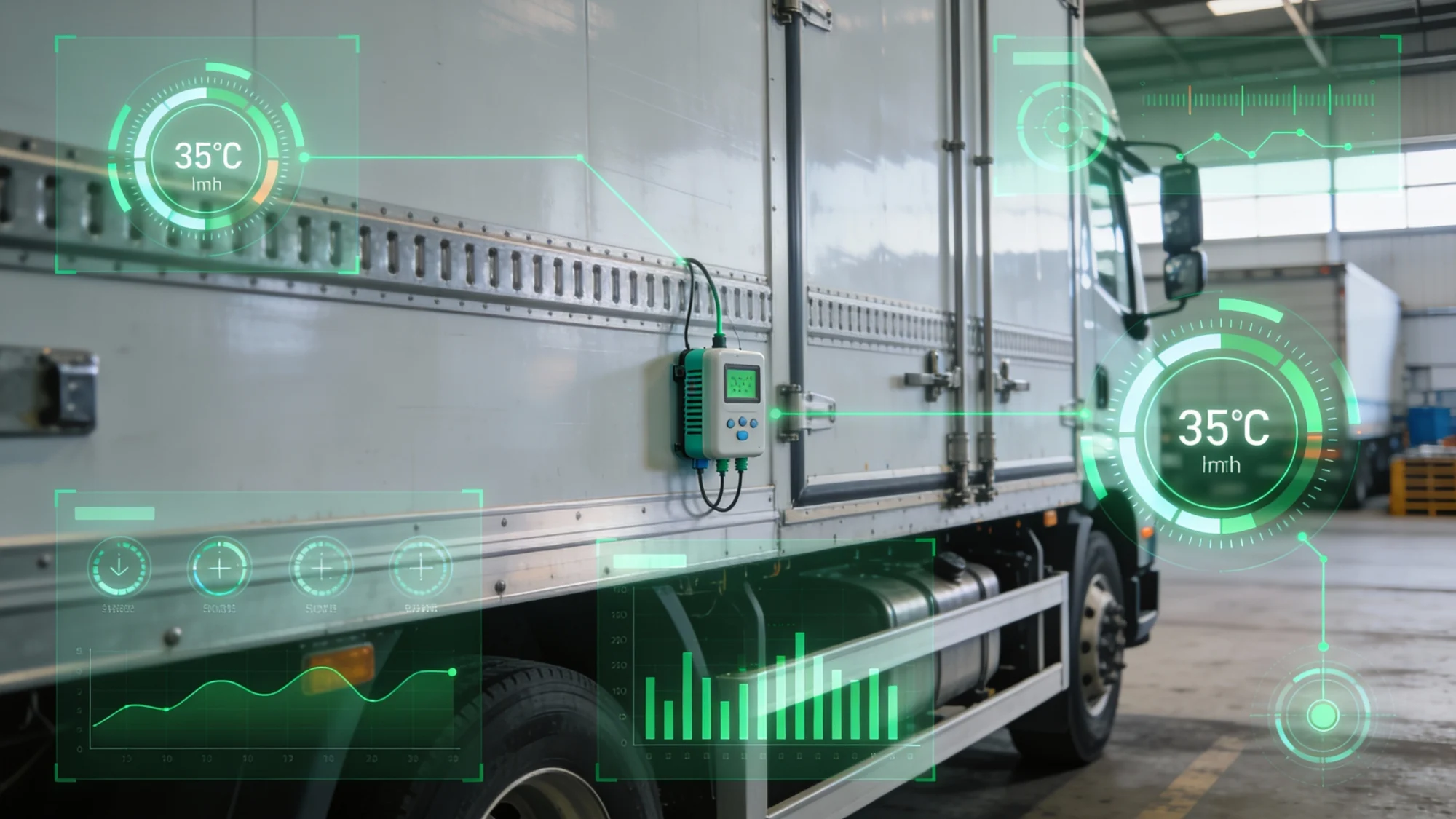
Cold chain fleet management isn’t a game of sensors and luck; it’s a battle of data integrity. In a region where a 10-minute door delay can ruin a $100k shipment, you don’t need more tracking; you need enforceable control.
This playbook shows you how to turn Safee’s Cold Chain Solution into an audit-ready shield for your operations.”
What sets cold chain logistics apart from standard Fleet management?
A normal fleet problem is often about where a vehicle is and how it’s being driven. A cold-chain problem is about location, condition, and access events, all at once.
Cold-chain failures usually happen when one of these slips out of control:
- Temperature over time: An excursion is out of range long enough to matter for that cargo.
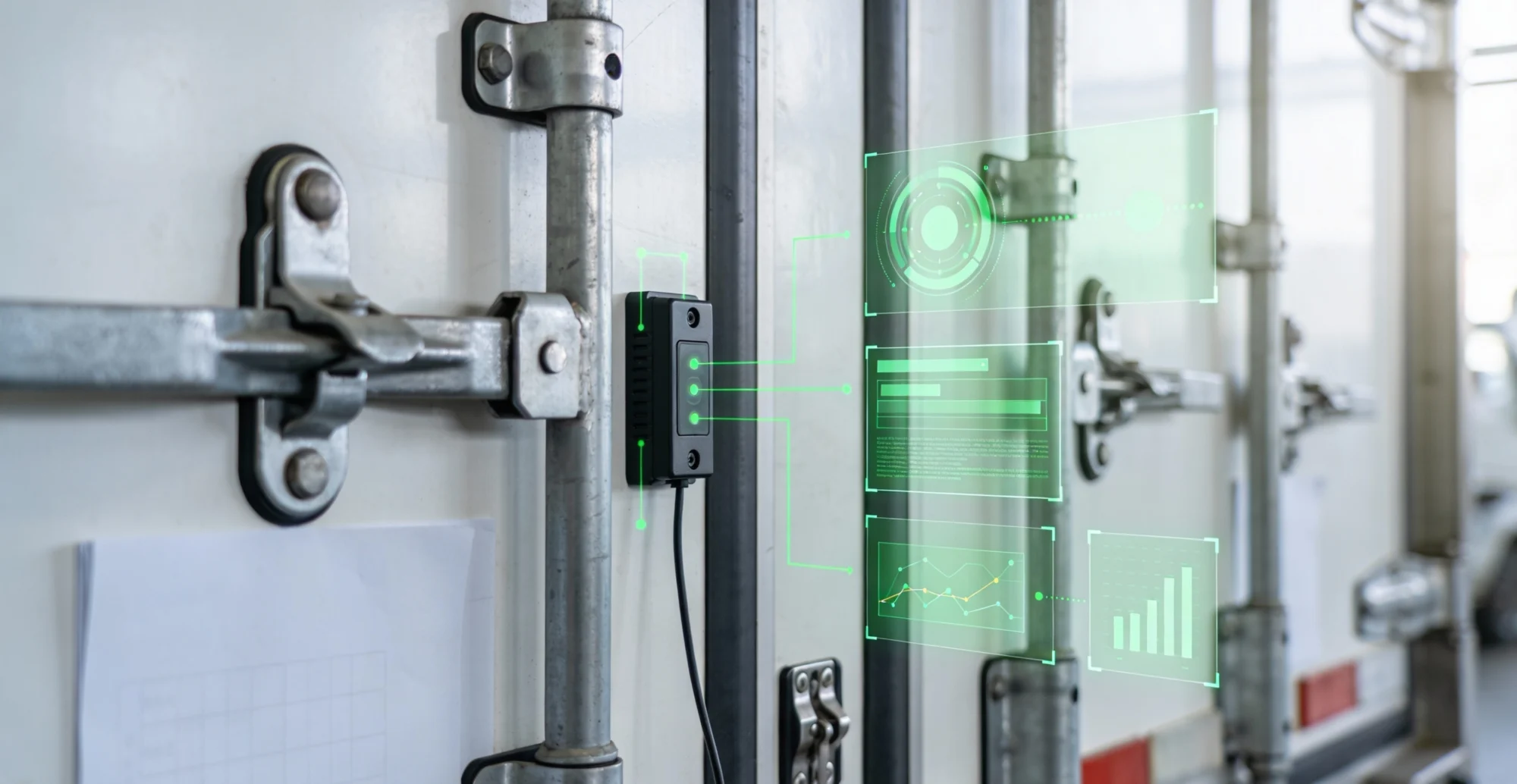
- Access events: Door opened too long, too often, or at the wrong place.
- Process gaps: Pre-cool not verified, setpoint not confirmed, escalation unclear.
- Context gaps: The load is fine in the yard, but not in transit or vice versa.
Stakeholders also multiply: operations, dispatch, QA, customer success, and sometimes compliance teams all need visibility, and they don’t need the same view.
That’s why cold chain operators typically rely on dashboards, history explorers, timelines, alarms, and exports rather than a single temperature screen.
Safee’s platform reflects this multi-view operating model that includes monitoring, history exploring, vehicle timeline, alarms, and reports.
Also read: Cold Chain Monitoring Solutions for Safe, Compliant, and Reliable Deliveries
What are the vital signals every refrigerated fleet needs?
Minimum viable cold-chain telemetry isn’t just one probe. It’s a set of signals you can correlate to explain what happened, where, and why.
Here are:
| Signal | Why it matters | operational action |
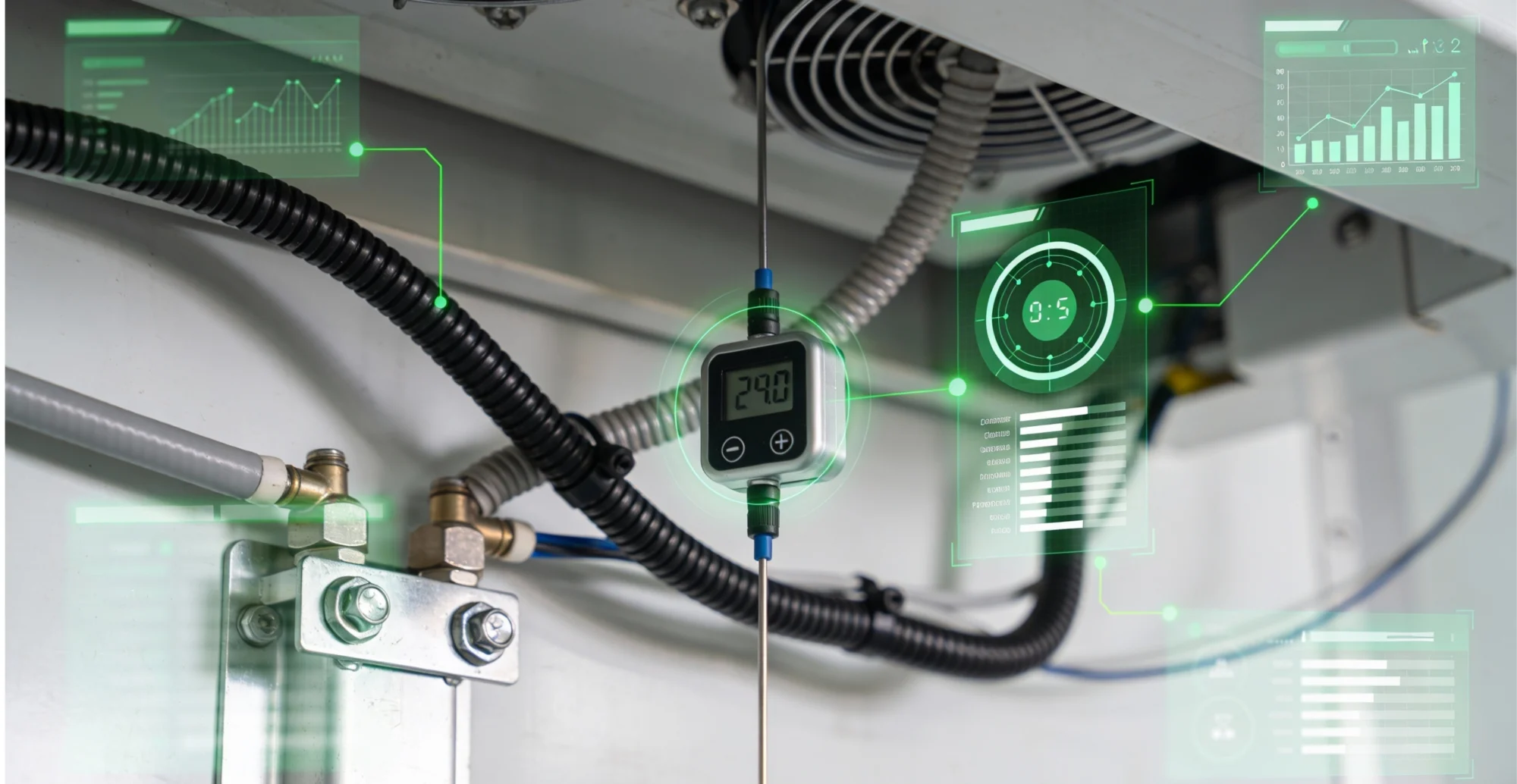
| Temperature | Confirms cargo conditions; shows excursions and trends | Validate pre-cool, detect drift, trigger escalation |
| Humidity | Some goods are moisture-sensitive (packaging, produce, some pharma workflows) | Adjust handling, identify door/defrost-related patterns |
| Door open/close events | Explains temperature spikes and access control issues | Tighten dwell-time SOP, investigate repeated patterns by site |
| Location & geofences | Adds where context to reduce false alarms and speed up response | Yard vs in-transit rules; dock-specific coaching |
| Time & timestamps | Turns raw data into defensible evidence | Build audit packs; reconcile incidents with stops/handoffs |
Safee’s Cold Chain Solution is positioned around monitoring temperature, humidity, and fridge door activity, with reporting/export to support day-to-day ops and proof workflows.
For day-to-day control, most fleets also need a strong monitoring layer: map-based visibility, filtering, and the ability to drill into history quickly (explore history / timeline views).
Also read: Map Fleet Management for Smarter Operations
How can you eliminate alert fatigue without risking cargo loss?
Alert fatigue kills cold chain performance. The goal is not more alerts; it’s fewer, higher-quality alerts with a clear response owner.
Use these building blocks
- Threshold: What the in range means for the cargo.
- Tolerance: How much deviation you’ll accept to avoid micro-fluctuation noise.
- Time tolerance: How long it must remain out-of-range before escalating to avoid transient spikes.
- Scope: Different rules for yard, loading docks, in-transit, and customer sites.
Safee’s platform guide shows an Alarm Conditions wizard pattern by following these steps:
- Choose a target level (company/site/vehicle)
- Choose geofences (when applicable)
- Set parameters (e.g., limits and time-related constraints)
- Route notifications to users/channels.
Build a simple escalation path
A workable chain looks like:
- Driver: immediate corrective action like: close doors, check unit state, and follow SOP
- Dispatcher: route/dwell coordination, site communication
- QA / Cold Chain Lead: incident decision, and documentation expectations
Choose notification channels that match urgency
To bridge the gap between ‘alert’ and ‘action,’ Safee leverages high-speed channels like WhatsApp Notifications. This ensures that critical alarms don’t just sit in an inbox—they reach the right person, on the right device, instantly.
Also read: Notification Channels from Safee, Stay Connected!
What does a high-performance cold chain SOP look like?
A platform helps, but cold chain performance comes from repeatable SOP.
Before dispatch
- Confirm cargo requirements (temperature range, humidity, and handling notes).
- Verify pre-cool status and setpoint accuracy before loading.
- Ensure all sensors are active and named consistently (Vehicle / Zone / Door).
- Apply the correct alert policy based on the vehicle and site scope.
- Brief the driver on escalation protocols for temperature excursions and door events.
In transit
- Monitor exceptions rather than noise by focusing on critical out-of-range trends.
- Execute the response playbook immediately when an alert fires
- Document all corrective actions, specifying who took action, when, and where.
- Analyze geofence context to identify repeated process issues at specific docks or sites.
At delivery
- Confirm temperature log availability for the trip (and humidity/door logs if relevant).
- Add exception notes when needed (site delay, unloading constraints).
- Ensure internal handoff: QA/customer teams know what was normal vs exception.
Also read: Fleet Control: Smarter Vehicle Management at Your Fingertips

How do you move from blaming to fixing?
Cold-chain incidents should produce learning, not finger-pointing.
A clean investigation flow:
- Locate the incident window (timestamp range).
- Correlate door + temp + stops (door open → temp drift → stop location).
- Classify the cause:
- Equipment: unit performance, sensor fault
- Process: loading/unloading dwell time
- Route/site constraints: repeated patterns at the same customer location
Tired of finger-pointing? Book a Safee Demo and get the evidence you need to fix your cold chain for good.
What should your cold chain evidence pack include?
Whether you call it compliance or customer assurance, cold chain proof usually needs the same ingredients:
What to include in an evidence pack
- Vehicle and trip identifiers (vehicle, date/time, route/stop context)
- Continuous temperature history for the relevant period (and zones if applicable)
- Exception list (when it went out of range, for how long, and what action was taken)
- Door activity timeline (when relevant)
- Export format that’s easy to share and archive (often spreadsheet/PDF attachments)
Safee’s platform emphasizes report-based workflows and exporting to Excel/CSV from tables (monitoring/timeline/alarms/reports), which supports building a repeatable evidence pack.
If your customers ask for logs “by trip, by vehicle, by exception, ask Safee to walk you through a reporting/export workflow for your operation.
Also read: Why Small Businesses Need Fleet Management Solutions
How do you set unique cargo rules without the manual errors?
Cold chain gets harder when loads vary by route, customer, or compartment. The operational answer is trip-level control:
- Define acceptable ranges per trip
- Tie monitoring to the trip timeline and checkpoints
- Reduce manual “did we set the right rule?” errors
Safee states that its Cold Chain Solution integrates with the Journey Management System (JMS), enabling operators to define temperature and humidity ranges for each trip based on the cargo being transported. (Safee)
Also read: Journey Management System: Smarter Routes, Safer Drivers, Lower Costs
How do you sync fridge status with Wasl requirements?
If you operate in KSA and your workflows involve Wasl-related reporting, treat this as a requirements-led project:
- What data is required (and at what cadence)?
- Which vehicles/activities are in scope?
- How will exceptions be tracked and explained?
Safee describes the Wasl integration capabilities for fleets operating in Saudi Arabia, including visibility and message/reporting tools within the platform.
Also read: Safee Vehicle Fleet Management Software for WASL Compliance
How to choose a cold chain fleet management platform?
Here’s the buyer-focused checklist you can use in demos and pilots.
| Requirement | Why it matters | How to verify | What to ask the vendor |
| Multi-signal monitoring | Correlation is how you find root cause | Demo dashboard & timeline view | Can I see door and temp on the same incident timeline? |
| Alert governance | Reduces false alarms and alert fatigue | Alarm rule screenshots & test alarms | Can rules differ by yard vs in-transit? |
| Role-based access & permissions | Prevents misconfiguration; improves accountability | Permissions matrix | Can we give read-only access to ops users? |
| Fast investigations | Minutes matter in response | Timeline & history export | How quickly can I pull last week’s incident history? |
| Audit-ready exports | Customers/auditors need shareable proof | Sample export file | Can we export per trip/vehicle and include exceptions? |
| Scalable configuration | Fleet-wide consistency | Company vs vehicle config views | How do we standardize across 200 vehicles? |
| Notification channels fit ops reality | Faster escalation | WhatsApp/email/mobile demo | Can we route alerts to WhatsApp for on-call? |
| Trip-level controls | Supports mixed loads and varying requirements | JMS-linked demo | Can we define ranges per trip/cargo? |
Safee’s ecosystem positions these elements across its Cold Chain Solution, JMS integration, and multi-channel notifications.
And the platform guide reflects governance patterns like permissions for alarm condition configuration and structured alarm/notification workflows.
If you’re building a shortlist, ask Safee for a pilot plan and the exact artifacts above.
Stop guessing and start governing your cold chain. Book a Safee Walkthrough to see how we turn fluctuating temperature spikes into boardroom-ready compliance reports.
Also read: Modules for Smarter Fleet Management
What is the Implementation plan?
A smooth rollout follows a simple lifecycle as follows:
1) Pilot
- Select a small subset of vehicles and representative routes.
- Define cargo ranges (by trip if needed).
- Test alarms end-to-end: rule → notification → response → evidence export.
- Validate investigations
2) Rollout
- Standardize naming
- Reuse configurations at the right scope
- Align ops & QA on what counts as an incident and what must be documented.
3) Training
Train dispatch and QA on:
- What alerts mean
- Escalation matrix
- Evidence pack assembly
4) Governance
- Monthly review
- Policy refresh
- Access control review
If you want a cold chain fleet management setup that’s operationally enforceable not just logged, contact our team to map your SOP, alerts, and reporting into one rollout plan.
Also read: Why Digital Transformation Matters for Modern Fleets?
FAQs About Cold chain fleet management
What is cold chain fleet management?
It’s the day-to-day operation of refrigerated fleets to keep goods within required conditions, with evidence logs for customers and audits.
How do I reduce temperature excursions without over-alerting my team?
Use range thresholds plus tolerance and time tolerance, and apply different rules by location for example, a yard vs in transit, so operators only see actionable alarms.
What should I include in an audit or customer proof pack?
Trip-level temperature history, plus exceptions, timestamps, vehicle identity, and corrective-action notes—exportable in a shareable format.
If I operate in Saudi Arabia, can fridge or cooler status be reported to Wasl?
If you operate in KSA and have Wasl-related requirements, Safee describes Wasl integration capabilities and monitoring/reporting tools. Confirm your specific activity requirements and reporting scope during implementation.
Ready to improve your fleet operations?
Tell us what you would like to improve. A Safee specialist will reply by email.
Usually replies within one business day • No sales spam
Your details are used only to respond to your request. Privacy Policy