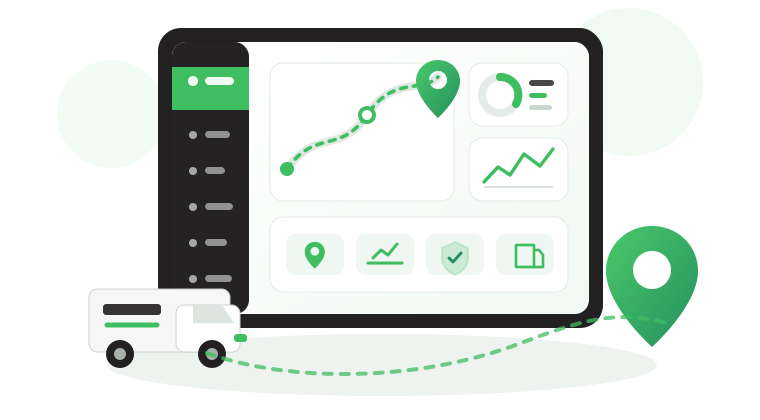

Is Your Fleet Management Checklist Desert-Ready?
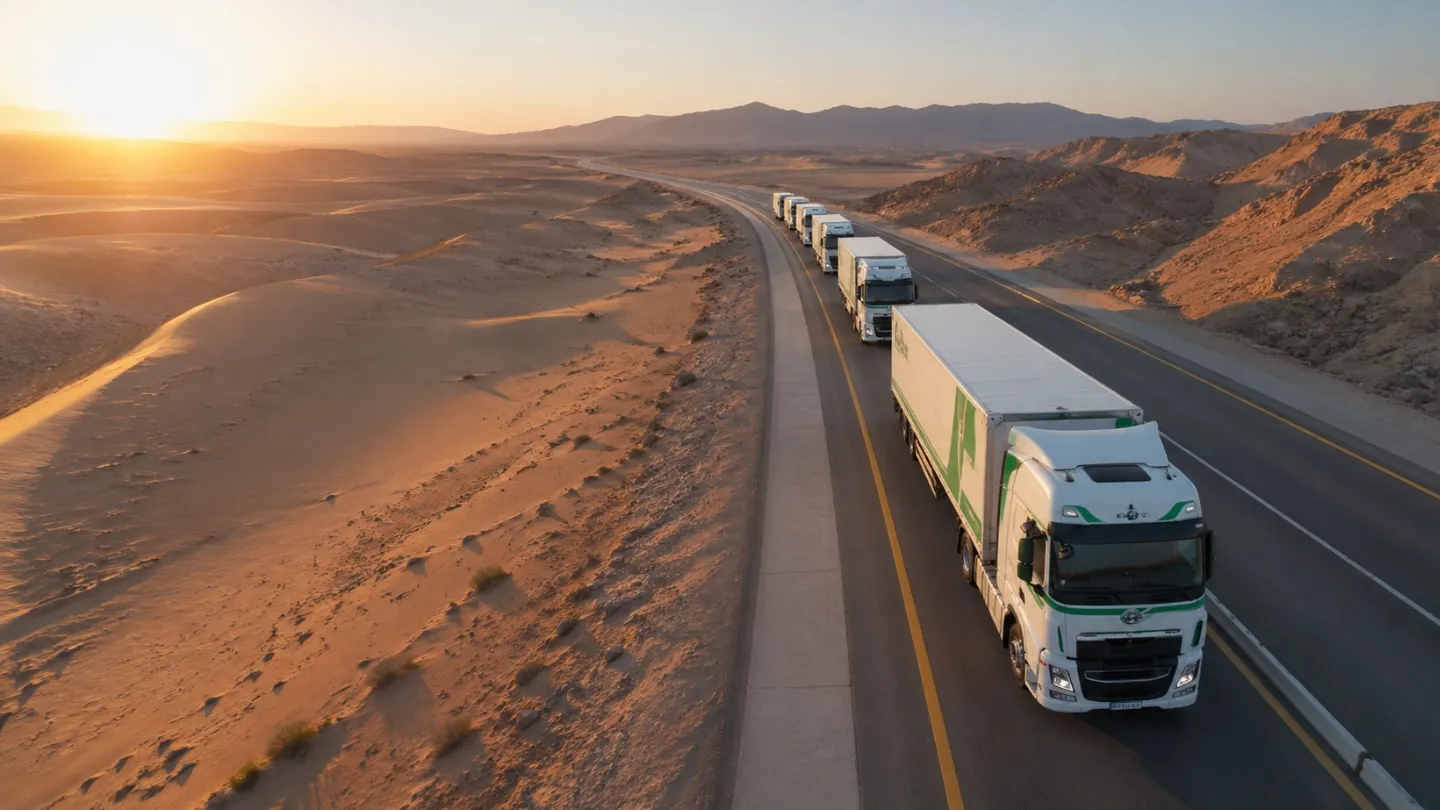
A truck can look ready in the yard and still become a high-risk asset once it reaches a desert route. Heat, sand, long distances between service points, weak signal areas, fuel planning gaps, and driver fatigue can turn a small missed check into downtime, an HSE escalation, or a recovery operation. For B2B fleets operating from the UAE across the GCC and wider global routes, a fleet management checklist is not paperwork. It is a pre-trip control system.
This guide gives fleet managers a desert-ready fleet management checklist for trucks before dispatch. It explains what to verify across fleet maintenance management, fleet safety management, truck fleet management, and fleet risk management, and shows how Safee can support the process with live tracking, smart alerts, journey management, maintenance workflows, satellite visibility, and reporting.
Why do desert routes need a specialized fleet management checklist?
Desert routes need a specialized fleet management checklist because the operating environment changes the risk profile before the truck even leaves. A normal dispatch checklist confirms that a truck can move. A desert checklist confirms that the vehicle, driver, route, supplies, communication process, and escalation plan can withstand harsh conditions.
In GCC desert operations, heat can stress cooling systems, tyres, batteries, brakes, and fluids. Dust can affect filters and sensors. Long distances can make recovery slower. Weak network coverage can create visibility gaps. A small defect that would be manageable inside a city can become a serious operational issue on a remote route.
The goal is not to add more administrative steps. The goal is to make every dispatch decision traceable: who inspected the vehicle, what was checked, what was corrected, which risks remain, who approved the trip, and how the route will be monitored after departure.
For related high-risk transport context, we also cover practical road oil transport pre-dispatch checks for fleets operating under regional disruption and higher-risk road movement.
What to change before dispatch in UAE and GCC desert routes?
Before a desert truck trip, the dispatch question should change from “Is the truck available?” to “Is the truck desert-ready?” Availability alone is not enough when the route involves heat, distance, dust, limited service points, and communication gaps.
- Vehicle readiness becomes more focused on cooling, tyres, brakes, battery health, fluids, air filters, and open defects.
- Driver readiness becomes more focused on fatigue control, route briefing, emergency response, and check-in discipline.
- Route readiness becomes more focused on approved routes, stop points, refuel points, signal gaps, and escalation contacts.
- Emergency readiness becomes more focused on water, first-aid, warning equipment, recovery support, and backup communication.
- Monitoring readiness becomes more focused on live tracking, alarms and alerts, route deviation rules, and post-trip reporting.
Our Live Vehicle Tracking helps fleet teams monitor vehicle, driver, alarm, geofence, fuel, and performance data from one operational view, which is critical when trucks move across remote or long-distance routes.
Planning remote truck routes across the GCC? Request a Safee demo to connect your pre-trip checklist with live tracking, route alerts, and journey monitoring.
How does weak fleet risk management turn small issues into major downtime?
Weak fleet risk management turns small pre-trip gaps into larger route failures. An unchecked coolant level can become overheating. A tired driver can become a route deviation or harsh-driving event. A low tyre can become a roadside stop. A missing communication rule can delay response when the truck loses contact.
A good fleet management checklist should therefore connect each risk to a decision. Instead of asking only whether the truck is ready, the checklist should ask: what could fail on this route, how will we know early, who owns the response, and what action blocks dispatch?
- Prevention before dispatch: verify the truck, driver, route, fuel, water, and emergency supplies.
- Visibility during the route: monitor location, route adherence, stops, alerts, vehicle status, and driver behavior.
- Escalation when risk appears: define who acts, how fast they act, and how follow-up is recorded.

Essential fleet management checklist before desert truck trips
The most useful checklist is simple enough for daily use but complete enough to protect safety, uptime, and accountability. For truck fleet management, the checklist should be shared by operations, maintenance, safety, and the driver. If only one team owns it, critical risks may be missed.
Checklist area | What to verify | Owner |
Vehicle readiness | Cooling, tyres, brakes, fluids, battery, filters, lights, open defects | Maintenance lead |
Driver readiness | Fitness, route briefing, rest plan, documents, emergency procedure | Fleet manager / HSE |
Route readiness | Approved route, stop points, risk areas, signal gaps, escalation contacts | Dispatch / operations |
Emergency readiness | Water, first aid, fire extinguisher, warning kit, backup communication | HSE / driver |
Monitoring readiness | Tracking active, alerts assigned, reporting cadence, journey approval | Operations / fleet manager |
Heat-critical fleet maintenance management checks
Fleet maintenance management for desert operations should prioritize the systems most affected by heat, load, distance, and dust. The checklist should make it clear which defects can be corrected quickly and which defects block dispatch.
- Cooling system: radiator, coolant level, hoses, caps, fan operation signs, and visible leaks.
- Engine and driveline fluids: oil level, transmission fluid where applicable, differential fluid where required, and signs of leakage.
- Brake system: pad condition, air pressure behavior where applicable, warning indicators, and brake response.
- Battery: terminals, mounting, charging behavior, and any starting weakness.
- Tyres: pressure, tread, sidewall damage, wheel nuts, valve caps, and spare tyre readiness.
- Air filters and cabin filters: dust exposure, clogging, and replacement status.
- Visibility equipment: lights, reflectors, warning triangles, and windscreen condition.
- Open defects: any unresolved maintenance issue from the previous route.
At Safee, our Maintenance Module can help teams automate maintenance tasks, alerts, and reporting so pre-trip checks are connected to wider fleet maintenance management rather than handled as isolated forms.
Want to connect pre-trip maintenance checks with alerts and reports? Talk to Safee about building a desert-ready fleet maintenance management workflow for your trucks.
Tyres, cooling, fluids, battery, brakes, and air filters
Desert truck checks should focus on the parts most likely to suffer under heat, dust, and load. Tyres deserve special attention because temperature, speed, load, and road surface all affect risk. Drivers should inspect pressure, visible damage, sidewall cracks, uneven wear, valve caps, wheel nuts, and spare tyre readiness.
Cooling checks should not be rushed. A truck with recent overheating warnings, coolant loss, or unresolved radiator concerns should not be released until the risk is reviewed. Fluids should be checked according to vehicle requirements, and any visible leak should be assigned before departure. Battery, brake, and air-filter checks should also be documented because desert conditions can expose weak components quickly.
A practical record should use three simple fields for each item: checked, issue found, and action taken. That structure keeps the checklist operational instead of symbolic.
Driver readiness and fleet safety management briefings
Fleet safety management starts before the driver enters the route. A mechanically ready truck is still exposed if the driver is tired, unclear about the route, unfamiliar with escalation steps, or unaware of stop points and communication rules.
- Confirm driver fitness for duty and rest status.
- Brief the driver on route, stop points, speed rules, and expected check-ins.
- Review fatigue controls, harsh-driving expectations, and emergency contacts.
- Confirm load condition, securing status, and route documents.
- Explain what to do after overheating, tyre alerts, breakdown, route closure, or loss of signal.
- Document the briefing so the fleet manager, HSE team, and dispatcher can review it later.
Safee’s Driver Management capabilities are relevant when driver identity, vehicle assignment, behavior visibility, and performance review need to support safer route allocation.
Route, documents, emergency supplies, fuel, and water checks
A desert route is not ready until the route plan, documents, emergency supplies, fuel plan, and water plan are confirmed together. These items should not depend on driver memory or last-minute assumptions.
- Route: approved route, expected stops, known risk zones, communication gaps, and route-deviation rules.
- Documents: driver license, vehicle registration, insurance, permits, delivery documents, customer access approval, and route-specific paperwork.
- Emergency supplies: first-aid kit, warning triangles, reflective vest, fire extinguisher, flashlight, charger, backup communication method, and recovery items where required.
- Fuel: current fuel level, approved refuel points, reserve policy, and backup plan if a fuel stop is unavailable.
- Water: enough water for the expected route and contingency conditions according to company policy and local safety guidance.
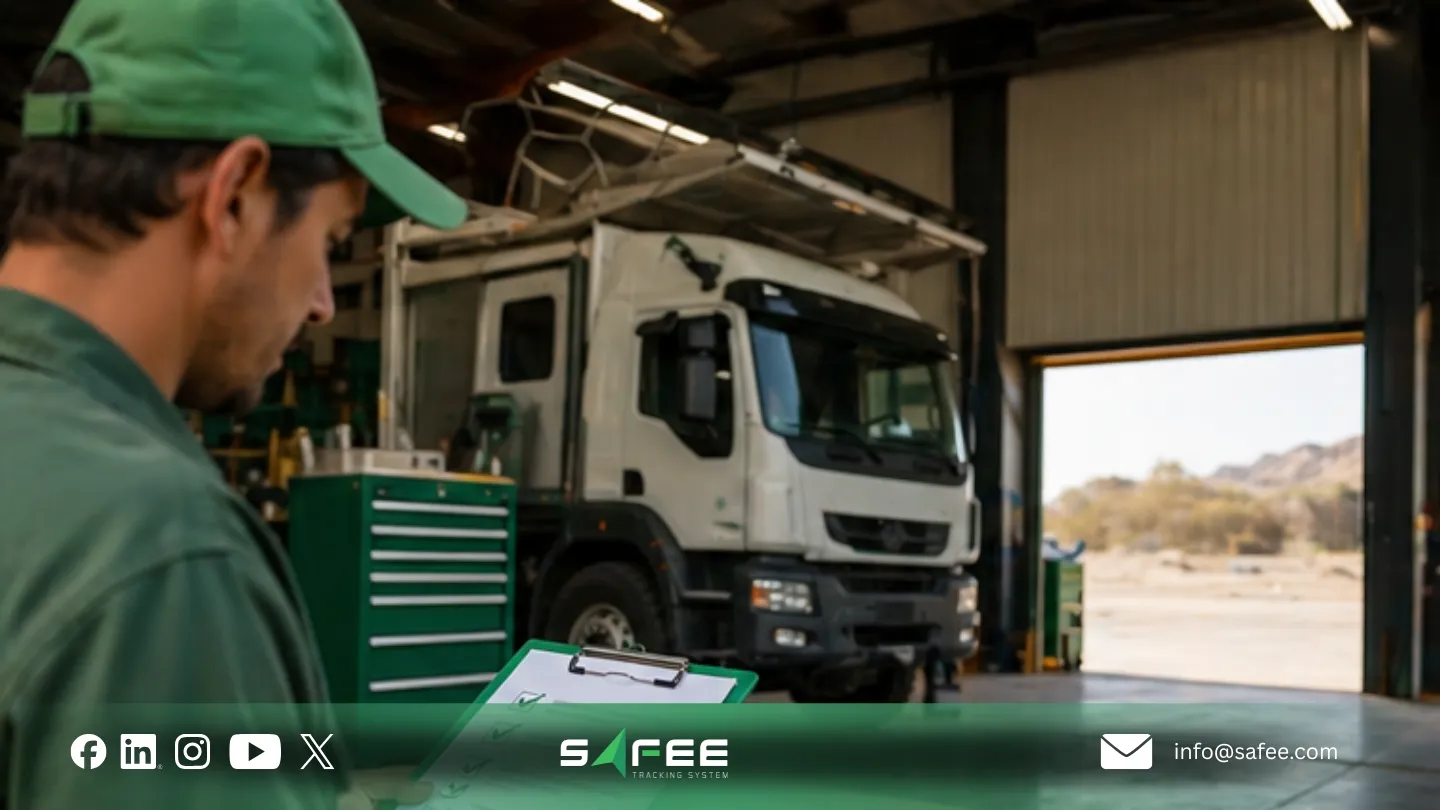
How to run a desert-ready fleet management checklist process
A fleet management checklist only works when it becomes part of the operating process. In desert operations, it should be built into dispatch through four stages: prepare, inspect, approve, and monitor.
- Prepare the route, truck, driver, documents, and emergency requirements early enough for corrections.
- Inspect the truck, supplies, driver readiness, route plan, and tracking setup using a standard checklist.
- Approve the trip through a named person who can release, delay, or block dispatch.
- Monitor the journey with tracking, alerts, check-ins, and post-trip reporting.
Assign checklist ownership before departure
Checklist ownership should be explicit. If everyone owns the checklist, no one owns the final decision. For desert truck routes, the fleet manager should define who can release the truck, who can block dispatch, and who must be informed when a high-risk item appears.
Role | Checklist responsibility | Expected output |
Maintenance | Mechanical readiness, open defects, tyre and cooling checks | Safe-to-dispatch or no-dispatch recommendation |
Dispatch | Route, documents, timing, customer needs, check-in plan | Approved trip plan and escalation contacts |
HSE / Safety | Driver readiness, emergency supplies, route risk rules | Safety approval and risk controls |
Driver | Walkaround inspection, load awareness, unsafe-condition reporting | Confirmed pre-trip readiness and issue reporting |
Fleet manager | Governance, exceptions, final approval | Traceable dispatch decision |
Use real-time fleet risk management on remote routes
Pre-trip checks reduce risk before departure. Real-time fleet risk management helps detect risk while the truck is already on the route. This is essential in remote areas where a late response can turn a manageable issue into downtime or a safety event.
- Live vehicle location and route progress.
- Route adherence, geofence events, and route deviation alerts.
- Unplanned stops and long stationary events.
- Overspeeding, harsh braking, and harsh acceleration alerts where configured.
- Engine or maintenance alerts where available.
- Fuel behavior where configured.
- Driver check-ins and missed check-ins.
- Loss of contact, tracking gaps, or late-arrival risk.
Our Journey Management System helps connect route planning, journey controls, alerts, reporting, driver compliance, and fuel-efficiency analytics for safer trip execution.
Need better visibility on remote routes? Ask Safee how Journey Management, Alarms and Alerts, and SatComm can support fleet risk management beyond reliable network coverage.
Build fuel, water, and fleet maintenance management backup plans
Desert routes need backup plans because assumptions fail. A fuel station may be unavailable, weather may change, a truck may overheat, a driver may need to stop, or mobile coverage may drop.
- Minimum fuel level before departure.
- Approved refuel points and backup refuel options.
- Water requirements based on route policy and contingency planning.
- Emergency supply requirements and inspection status.
- Maintenance escalation contact and roadside assistance process.
- Replacement truck decision rules.
- Customer communication process if delay occurs.
- Post-trip feedback into maintenance records after overheating, fluid loss, tyre alerts, or driver-reported concerns.
Communication and tracking tools for truck fleet management
Truck fleet management across desert routes depends on communication discipline and tracking visibility. The tools should be selected and configured before dispatch, not after the truck is already remote.
- GPS dashboards for live route visibility.
- Smart alerts for route deviation, overspeeding, unplanned stops, and geofence breaches.
- Automated reports for managers, dispatch, maintenance, and HSE teams.
- Mobile access for supervisors and managers who need to act away from the office.
- Satellite tracking for remote or low-coverage areas where cellular networks are not reliable.
- Role-based access so dispatch, maintenance, safety, and management teams see the information they need.
For isolated routes, Safee’s Satellite Fleet Management and Tracking can help maintain visibility beyond mobile coverage, including desert and cross-border operations where normal networks may fail.
Why choose Safee for desert fleet management checklist execution
Safee supports desert fleet management checklist execution by connecting pre-trip control with live monitoring, alerts, reports, and route visibility. For fleet managers, the value is not only knowing where trucks are. The value is building a repeatable operating model: inspect before dispatch, monitor during the route, act on exceptions, and review performance after the trip.
As a UAE-based fleet technology platform serving B2B fleets across the GCC and global markets, Safee is especially relevant for operations that need visibility across remote routes, mixed vehicles, harsh environments, and multi-team workflows.
- Use Live Vehicle Tracking to monitor trucks, geofences, trip activity, alarms, and performance data.
- Use Alarms and Alerts to notify the right users about route, safety, and operational exceptions.
- Use Journey Management System to connect route approval, journey monitoring, compliance scores, and post-journey reporting.
- Use Maintenance Module to automate service tasks, maintenance alerts, and roadworthiness follow-up.
- Use SatComm satellite tracking where trucks operate beyond reliable cellular coverage.
Contact Safee to build a desert-ready fleet management checklist around your truck routes, vehicles, drivers, reporting needs, and escalation rules.
Built-In fleet safety management for harsh environments
Fleet safety management in harsh environments requires more than a policy document. It needs clear briefing rules, active route visibility, alert governance, and reporting discipline. Safee helps teams structure the safety loop around pre-trip checks, live monitoring, exception alerts, and post-trip improvement.
- Pre-trip driver briefing and vehicle readiness confirmation.
- Route and stop-point approval before departure.
- Live trip monitoring with alerts for risk events.
- Escalation ownership for route deviation, loss of contact, or unplanned stops.
- Post-trip review of alerts, maintenance concerns, driver behavior, and checklist gaps.
- Continuous checklist improvement based on real route data.
Lower Breakdowns, Higher Uptime, and Stronger fleet risk management
A desert checklist should improve over time. Repeated tyre issues, overheating warnings, unplanned stops, harsh-driving events, and recurring route deviations should not stay isolated. They should feed into fleet risk management reviews, maintenance planning, driver coaching, and route redesign.
With Safee, fleet teams can use checklist records, tracking data, smart alerts, journey reports, and maintenance follow-up to identify patterns earlier. This helps managers move from reactive rescue to proactive control.
For route-level risk planning, our Journey Risk Assessment System explains how route, driver, vehicle, and environmental risk can be reviewed before a trip begins.
A desert-ready fleet management checklist works best when it is treated as a live operating workflow, not a static form. With Safee, fleet managers can align inspection discipline, route monitoring, smart alerts, maintenance follow-up, and reporting before remote truck routes expose preventable gaps.
Request a Safee demo to build a desert-ready fleet management checklist that connects inspections, live tracking, alerts, route monitoring, SatComm, and reporting before your next remote truck operation.
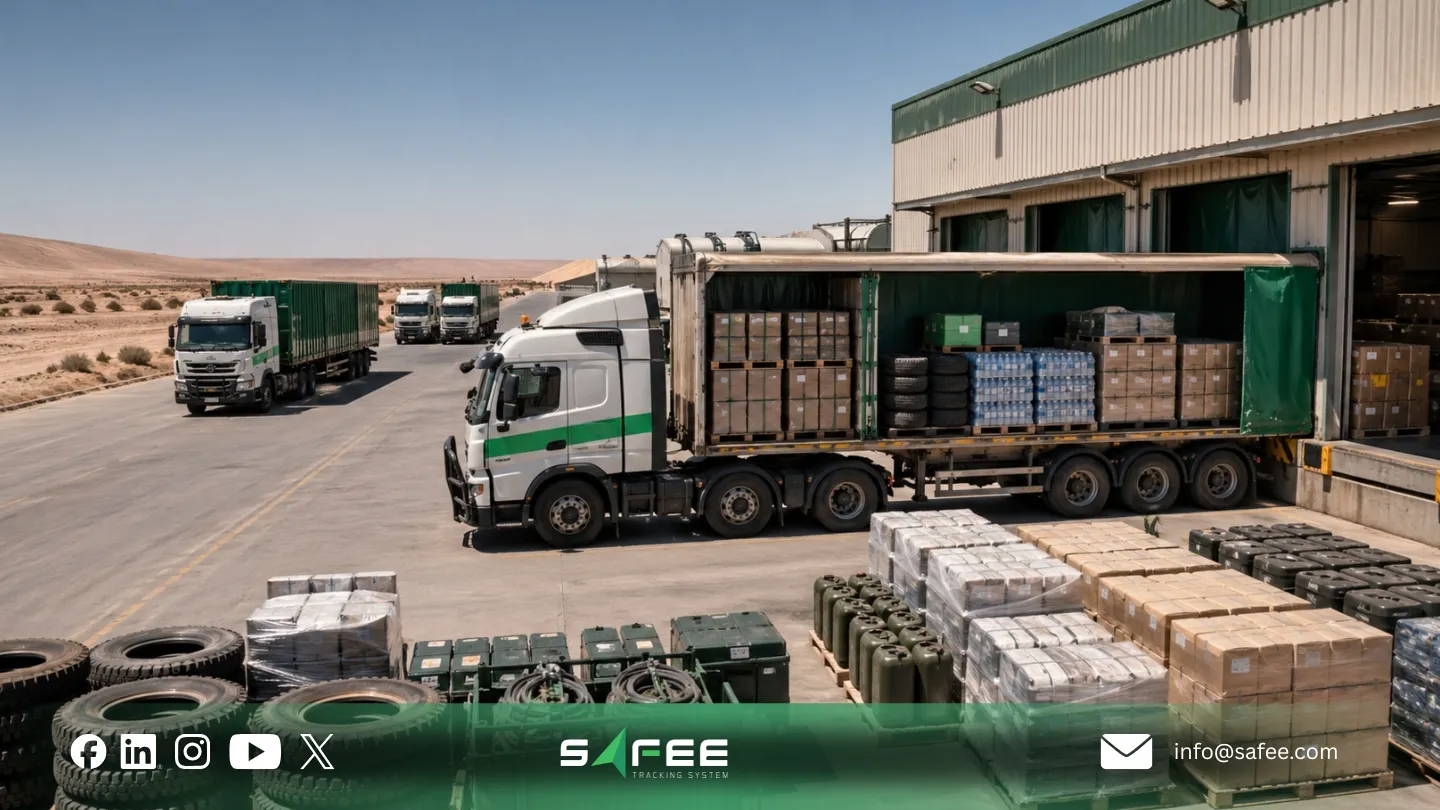
FAQs about fleet management checklist for desert truck operations
What should a fleet management checklist include before desert trips?
A fleet management checklist should include vehicle health, tyres, cooling system, fluids, battery, brakes, air filters, driver readiness, route approval, fuel plan, water supply, documents, emergency equipment, tracking setup, alerts, and escalation contacts.
How does fleet maintenance management differ in desert conditions?
Fleet maintenance management in desert conditions places more focus on heat-critical systems, dust exposure, tyre condition, cooling performance, fluid levels, battery health, air filters, and post-trip defect review. The process should also define which defects block dispatch.
Why is fleet safety management critical before remote truck routes?
Fleet safety management is critical because remote routes reduce the margin for error. Driver fatigue, speeding, poor communication, missing supplies, or weak route planning can become serious safety risks when support is far away.
How can fleet risk management tools prevent desert breakdowns?
Fleet risk management tools can help by combining pre-trip inspection records, live tracking, smart alerts, maintenance signals, driver behavior data, and automated reports. They do not eliminate risk, but they help fleet teams detect issues earlier and respond with clearer accountability.
How can Safee support truck fleet management on desert routes?
Safee can support truck fleet management by connecting live vehicle tracking, journey management, alarms and alerts, maintenance workflows, satellite visibility, and reporting into one operating process for harsh-route control.
Ready to improve your fleet operations?
Tell us what you would like to improve. A Safee specialist will reply by email.
Usually replies within one business day • No sales spam
Your details are used only to respond to your request. Privacy Policy