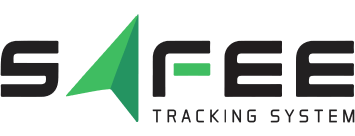



Running a fleet in 2026 means repairs are no longer a back-office task. Every hour of downtime hits delivery commitments, customer trust, and operating cost at the same time. Fleet Repair Management Software gives fleet teams a structured workflow to log issues, schedule maintenance, track progress, and reduce repeat breakdowns with data—not follow-ups.
This 2026 guide covers what it is, why it matters, the core features to demand, how it streamlines repair workflows, and how to estimate ROI, plus how Safee supports smarter repair control with visibility, reporting, and maintenance tools.
What Is Fleet Repair Management Software?
The repair management platform is the software layer that organizes the full repair lifecycle—from detecting vehicle issues and logging repair requests, to scheduling service, tracking parts and labor, and confirming the vehicle is back on the road. The goal is simple: higher uptime, more predictable repair costs, and fewer emergency breakdowns.
In practice, this Fleet Repair Management Software is most effective when it connects repair activity to fleet monitoring, history, and reporting. That connection helps you spot patterns such as frequent breakdowns by vehicle type, repeated issues linked to driver behavior, or higher downtime tied to specific routes.
At Safee, we support this operational approach by combining real-time visibility and reporting with maintenance management tools inside the platform. If you want repair decisions based on real fleet data, request a Safee walkthrough today.
Read also: Why iVMS system is essential for every fleet
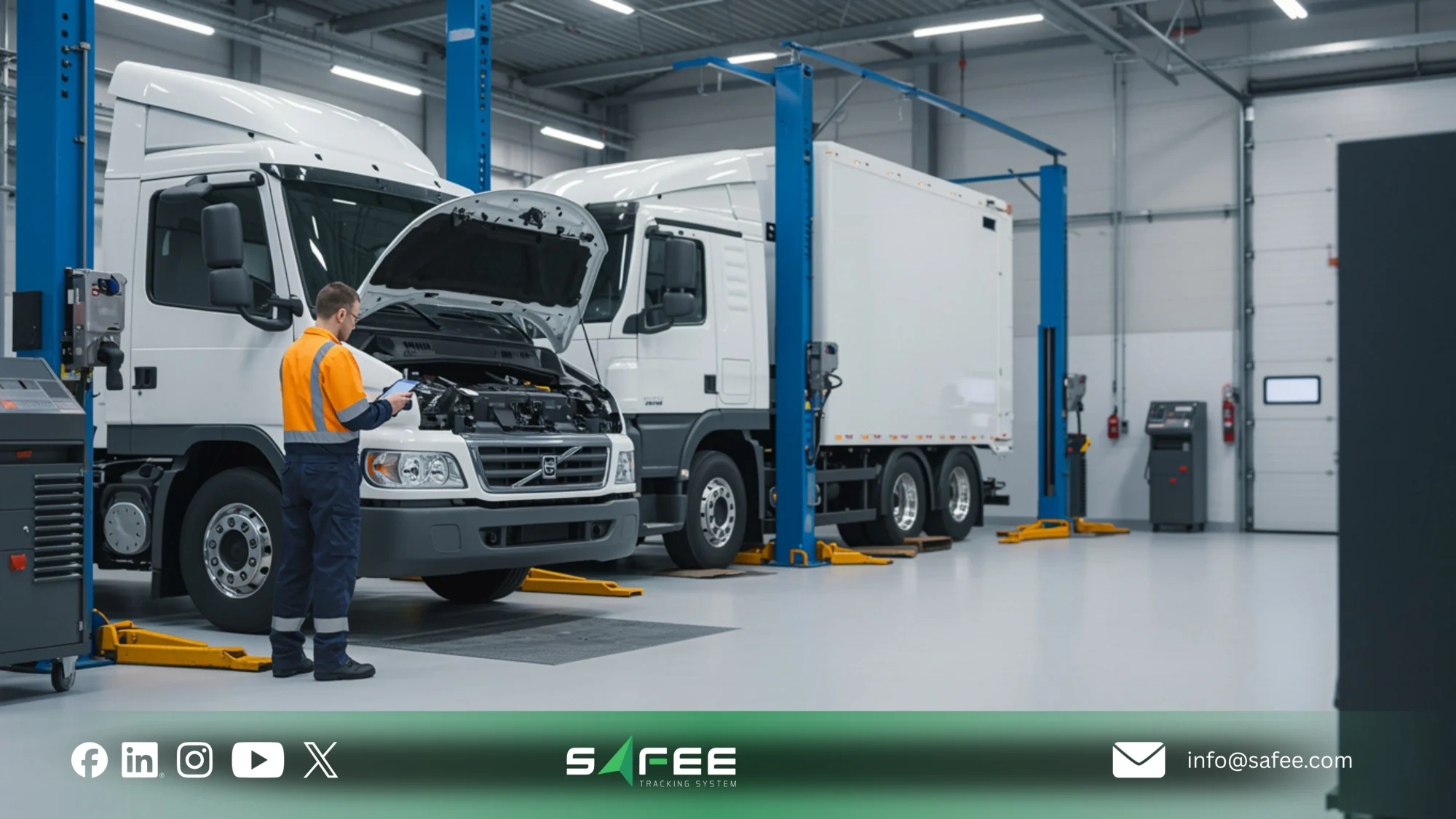
Repair management matters because modern fleets can’t afford a repair process that runs on memory, phone calls, and scattered paperwork—small delays quickly compound into missed service windows, overtime, and preventable downtime.
A structured repair workflow standardizes how issues are handled, shortens response time, and helps teams prevent breakdowns instead of reacting after service is already impacted.
Here’s why it’s operationally critical for B2B fleet teams:
- Standardizes repair execution so requests, scheduling, parts, labor, and approvals follow one consistent process—not ad-hoc follow-ups.
- Reduces downtime response time by making it clear what’s urgent, what’s scheduled, and what’s waiting on parts or action.
- Prevents repeat failures by using history and reporting to see what keeps breaking and why—by vehicle type, route, or operating conditions.
- Protects productivity by linking repair outcomes to operational behavior (e.g., excessive idling, harsh driving, overuse of certain assets) that increases wear and repair frequency.
- Supports measurable improvement by turning repair activity into reports that show waste drivers and help teams fix them systematically.
At Safee, we support this approach with real-time monitoring, analysis, and reporting that helps teams reduce operational waste and minimize downtime—strengthening repair outcomes across the fleet.
If you want to connect repair control to measurable uptime improvement, request a Safee demo.
Key Features to Look for in Fleet Repair Management Software
A strong fleet repair management tool should include the capabilities below. Without them, repairs still end up being managed manually, even if you’ve bought software.
- Centralized repair log by vehicle, so every request is tracked in one place.
- Preventive maintenance scheduling to reduce unplanned breakdowns and control service intervals.
- Downtime tracking to measure lost hours and understand what’s causing them.
- Maintenance history per vehicle to spot repeat repairs and identify underperforming assets.
- Reporting and dashboards to track repair cost, repair frequency, and downtime trends over time.
- Alerts and escalation, so urgent issues don’t get buried or delayed.
- Integration readiness, so data repair can support operations, finance, and compliance workflows
Read also: The best guide for suitable sensors
How Fleet Repair Management Software Streamlines Your Repair Workflow
Fleet repair management software makes the repair process easier to run by turning scattered, reactive updates into a clear workflow your team can follow from start to finish.
How the workflow typically runs:
- Capture the fault fast: Log the issue as soon as it’s detected so it doesn’t depend on messages or memory.
- Assign responsibility: Route the case to the right person or team, with a clear priority and status.
- Schedule service and resources: Plan the service window and track the parts and labor needed to complete the job.
- Track progress to completion: Follow the repair through each stage until the vehicle is returned to service—without back-and-forth.
- Keep proof and history: Store the record for audits and post-incident review, so repeat issues can be investigated and prevented.
A streamlined repair workflow also depends on fleet visibility. When you have real-time monitoring views, filters that isolate offline or abnormal vehicles, and historical analysis to review what happened before a failure, diagnosis becomes faster and repeat incidents drop. Safee supports this by providing real-time monitoring, history exploration, dashboards, and reporting in one platform—strengthening repair efficiency and accountability.
If you want your repair workflow supported by real operational visibility, request a Safee demo.
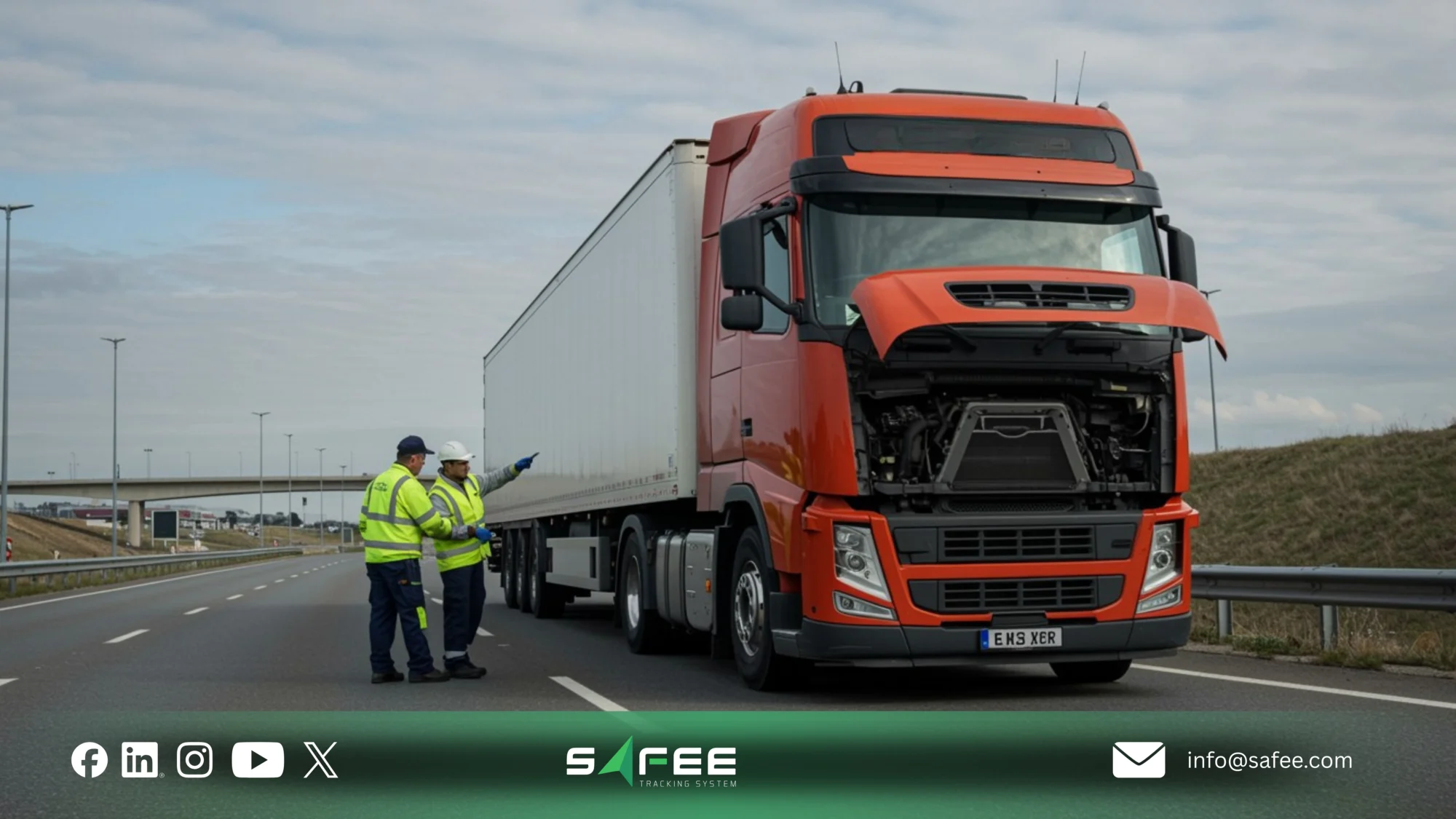
Business Benefits: From Lower Repair Costs to Higher Fleet Uptime
The benefits of fleet repair management software should show up as measurable business outcomes—not just better processes. In practice, it helps your fleet team deliver:
- Lower repair costs by reducing repeat failures and avoiding expensive emergency repairs.
- Higher fleet uptime by shortening downtime and scheduling maintenance proactively.
- Better asset utilization by identifying underused versus overused vehicles and balancing workloads accordingly.
- Faster decision-making through dashboards and reports instead of manual status updates and follow-ups.
- Stronger accountability using repair history, records, and standardized workflows across teams and sites.
If you want proof and traceability for every repair, request our walkthrough now.
Read also: How can you set your KPIs?
Cost of Fleet Repair Management Software and How to Estimate ROI
The cost of repair management software depends on what you’re actually buying: basic recordkeeping, or a platform that supports preventive maintenance, downtime analytics, and reporting that drives operational change. Instead of looking at subscription fees alone, start with two numbers that matter operationally: what downtime costs you per hour and what repeat repairs cost you per month.
ROI becomes clear when you measure the real levers the tool should improve:
- Fewer breakdowns and unplanned events
- Fewer emergency tows and urgent vendor callouts
- Fewer missed deliveries and service failures
- Lower overtime caused by delays and catch-up work
- Better utilization from keeping more vehicles available and ready
If the platform also supports monitoring and reporting that reduces idling and operational inefficiency, you gain a second ROI stream beyond repairs alone—because you reduce the behaviors and conditions that generate repair events in the first place. Safee supports that broader ROI with real-time visibility and reporting designed to reduce downtime and improve productivity.
If you want to estimate ROI using your real operational data, request a Safee demo.
Common Challenges in Fleet Repairs and Downtime Control
Fleet repair problems tend to repeat for the same operational reasons. The role of repair management software is to break that cycle by making issues visible, measurable, and trackable, so teams can act earlier and reduce repeat failures.
- Late or inconsistent issue reporting delays repairs before they even start.
- Downtime isn’t tracked consistently, so you can’t prove what lost hours are costing you.
- Vehicles return to service without root-cause review, which leads to repeat failures and the same repairs coming back.
- Maintenance schedules aren’t standardized, so preventive work gets skipped during busy periods.
- Operations and maintenance lack a shared view, creating miscommunication, slow decisions, and avoidable downtime.
If you want one operational view that aligns both teams, request a Safee walkthrough today.
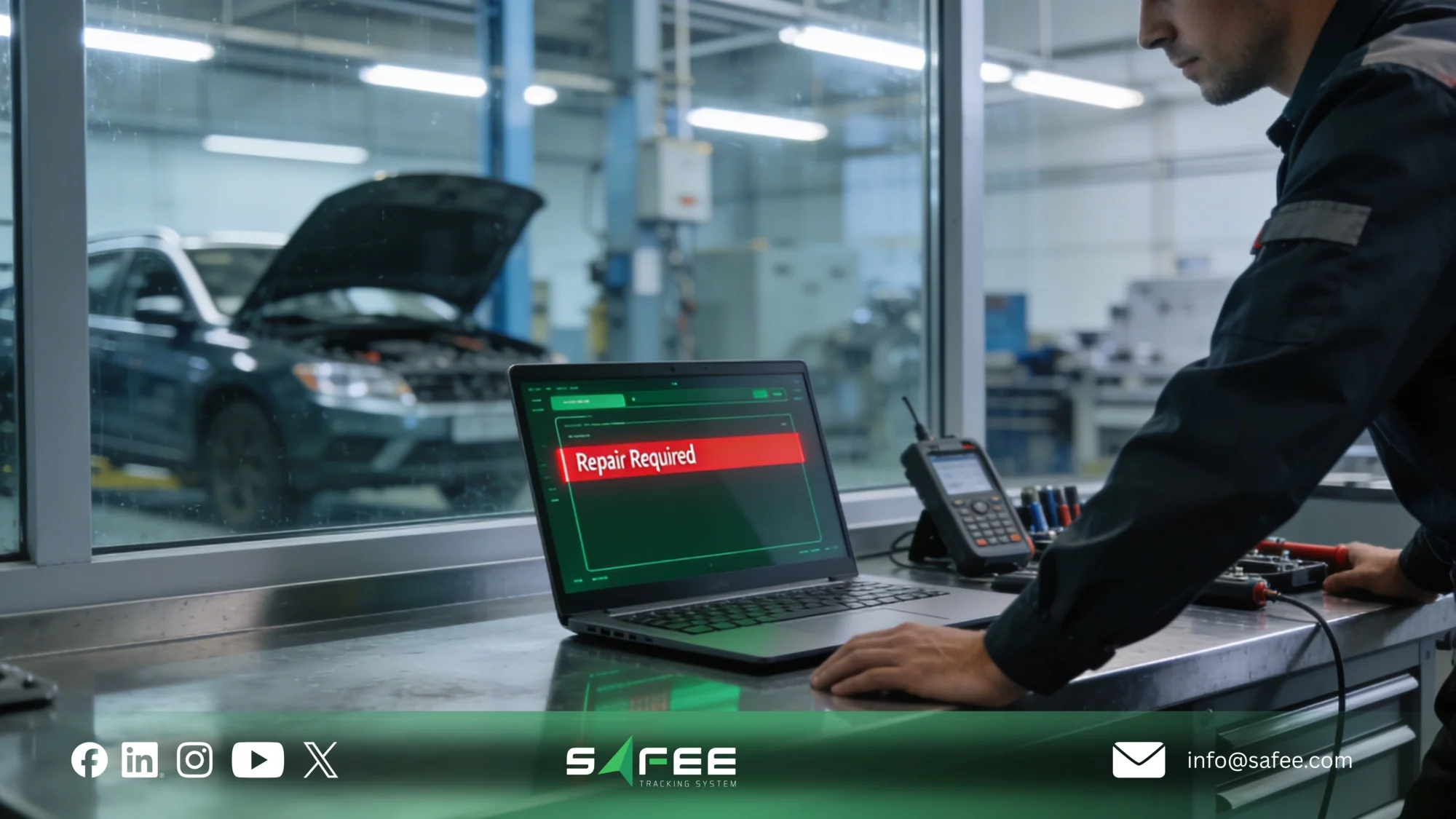
How Safee Helps You Manage Fleet Repairs Smarter
At Safee, we help you run fleet repairs with more control by combining real-time fleet visibility, reporting, and operational tools that reduce downtime and improve productivity. When your team can see vehicle status live, review history, and use reports to spot patterns—such as repeated idling or abnormal behavior—you can prevent the conditions that trigger repair events and respond faster when failures occur.
Our software also includes maintenance management capabilities within the platform portfolio, alongside monitoring views, dashboards, alarms, and reporting. This supports a complete uptime approach: you can connect repair actions to what happened on the road, track outcomes over time, and standardize downtime control across sites and teams, so decisions are consistent and measurable.
If you want to see how our software supports maintenance and uptime control in one platform, request a Safee demo.
In 2026, repair management software is how fleets move from reactive chaos to controlled uptime, predictable cost, and continuous improvement. Safee supports that outcome through real-time visibility, reporting, and maintenance management tools designed to reduce downtime and protect fleet uptime. Contact Safee today to manage fleet repairs smarter.