
How Public Works Fleet Management Improves Field Readiness
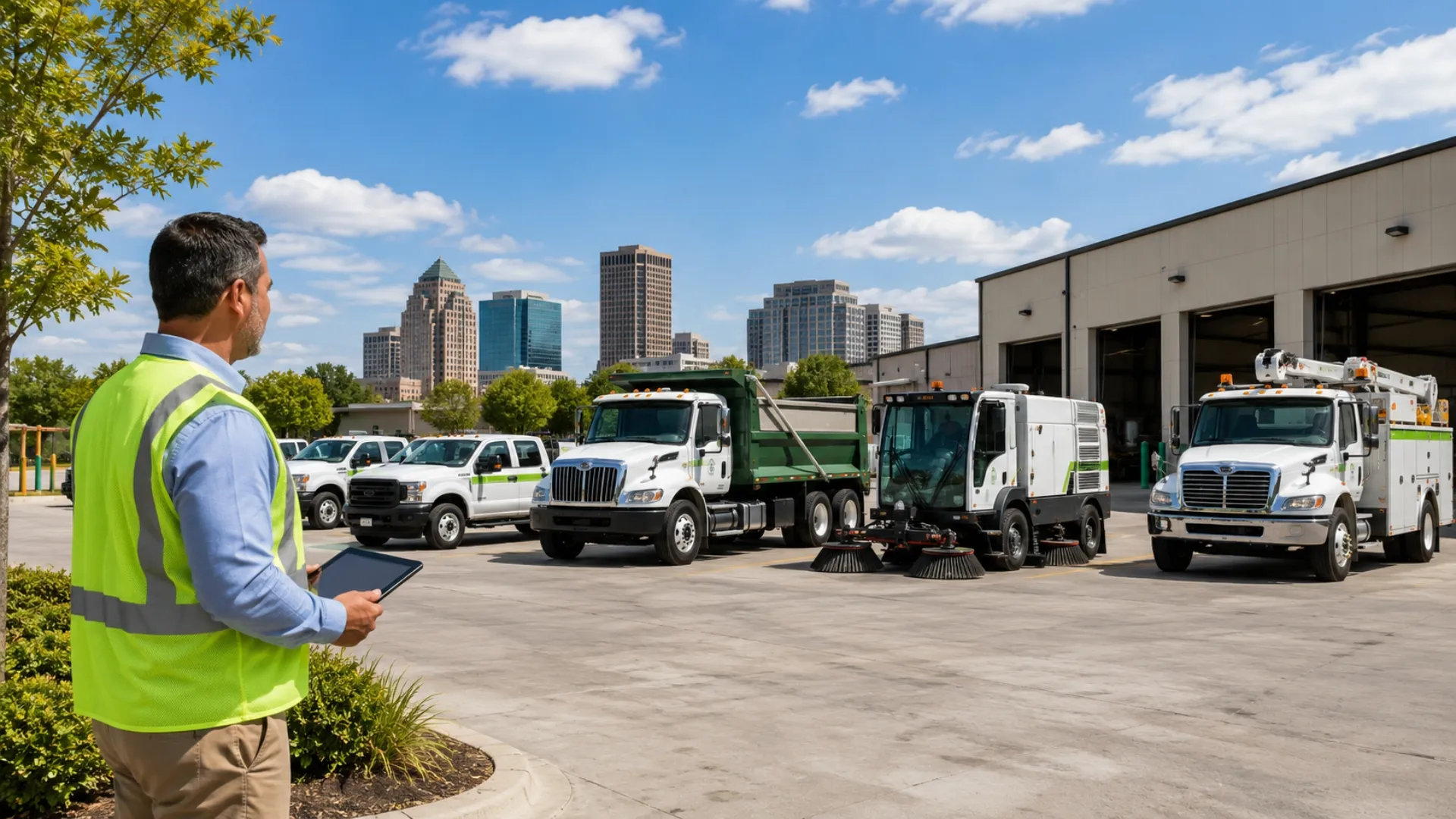
Public works teams cannot afford to manage vehicles through late phone calls, scattered messages, and end-of-day reports. A service truck may still be at the depot, a crew may be delayed at the previous job, a vehicle may be unavailable because of an open defect, or two departments may send assets to overlapping routes. For municipalities and local agencies, these blind spots affect road maintenance, water services, sanitation support, parks, inspections, emergency response support, and daily community service delivery.
This guide explains what public works fleet management should control, how it differs from broader government fleet management, why municipal fleets need tighter daily visibility, and which features matter most for field service readiness. You will also see how Safee supports public works teams that need practical accountability across vehicles, depots, crews, routes, and service zones.
What is public works fleet management?
Local government fleet management is the process of tracking, coordinating, maintaining, and reviewing the vehicles, drivers, crews, routes, depots, and field assignments used by public works departments.
It helps a municipality or local agency answer questions that affect service delivery:
- Which vehicles are active, idle, parked, delayed, or unavailable?
- Which crews are assigned to which routes, service zones, or field jobs?
- Which vehicles need maintenance before they can be dispatched?
- Which route deviations, long stops, geofence events, or idling patterns need review?
- Which departments are using vehicles efficiently, and which need better planning?
Telematics means connected vehicle, driver, location, and operational data used to monitor fleet activity. In public works, telematics becomes valuable when it supports dispatch decisions, service readiness, maintenance follow-up, route evidence, and management reporting.
Explore Safee Essential Modules for live tracking, alerts, reporting, and maintenance management.
What are the vehicles and field operations it covers?
Public works fleets are usually mixed fleets. They may include pickups, service vans, water tankers, maintenance trucks, street cleaning vehicles, waste support vehicles, inspection vehicles, equipment carriers, supervisor vehicles, and specialized public service assets.
The operating model is also mixed. One team may manage road maintenance routes. Another may handle water service calls. Others may support parks, lighting, facilities, sanitation, or emergency field response. Some vehicles start from a central depot, while others work from district yards, workshops, or temporary project sites.
A practical public works fleet management setup should support:
- Depot, yard, workshop, and service-zone visibility.
- Crew and vehicle assignment.
- Live route history and movement review.
- Geofences for depots, restricted areas, workshops, and service zones.
- Maintenance schedules, open defects, and readiness status.
- Reports by vehicle, department, route, and exception.
- Role-based access for operations, maintenance, HSE, supervisors, and leadership.
The goal is not to create a complicated system. The goal is to give each user the view they need: dispatchers need live movement, maintenance teams need readiness status, supervisors need exception handling, and leadership needs consistent reporting.
How does it differ from broad government fleet management?
Public works fleet management is one operational layer within fleet management in government, but it is more focused on daily field readiness than broad public-sector fleet programs. While broader government fleet management may cover policy, procurement, compliance, lifecycle planning, and cross-agency governance, public works teams need tighter daily control because their fleet is tied directly to service delivery.
A delayed service truck can mean a missed repair. An unavailable tanker can interrupt scheduled service. A vehicle stuck in maintenance without clear ownership can affect a public-facing job. For this article, the focus stays on crews, depots, routes, service readiness, downtime, maintenance response, field accountability, and exception handling.
Also read: Fire Service Fleet Management Software for GCC Fleets

Why do public works fleets need tighter daily control?
Public works departments operate under public pressure, limited resources, and shifting service priorities. A road issue, water disruption, facility problem, sanitation complaint, or emergency repair can change the schedule quickly. Without live visibility, supervisors spend too much time asking for updates instead of coordinating responses.
Tighter control does not mean micromanaging every driver. It means using location, alerts, maintenance status, and reports to act earlier and review performance fairly.
Service delays, downtime, and missed field assignments
Service delays often start with small visibility gaps. A vehicle is still at the depot, but dispatch assumes it is on the road. A crew is delayed at the previous job, but the next assignment is not updated. A vehicle has an open defect, but the issue is discovered only when the crew is ready to leave.
A readiness workflow should show:
- Vehicle availability by depot or department.
- Maintenance due or overdue status.
- Open defects and unresolved tasks.
- Assigned driver or crew.
- Last known location and active alerts.
- Supervisor approval for dispatch where policy requires it.
The most useful fleet system is not only a map. It is a control layer that helps the department understand what should happen next.
Route deviations, idling, and fuel waste
Public works routes are not always simple. Crews may respond to urgent calls, access restricted areas, return to depots, collect tools, visit workshops, or work across multiple zones in one shift. That flexibility is normal, but it still needs review.
Route deviations can indicate legitimate field changes, poor planning, unauthorized use, unclear instructions, or repeated inefficiency. Idling can come from field work, waiting time, traffic, poor dispatch sequencing, or driver habits. A strong municipal fleet management process helps supervisors compare planned activity with actual movement.
Useful route and idling reviews may include:
- Long stops outside approved service areas.
- Repeated depot returns during active shifts.
- Route overlap between departments.
- Unnecessary engine-on time.
- Repeated deviations from approved service zones.
- Underused vehicles assigned to busy departments.
For planned routes and post-route review, our Journey Management System can support structured trip control where the workflow requires it.
Limited visibility across crews, depots, and departments
Many public works fleets run across several locations: central depots, branch yards, workshops, water points, waste facilities, maintenance zones, parks divisions, and emergency support teams. Each group may have its own supervisors and reporting habits.
Without one shared operating view, departments may duplicate vehicle use, underuse available assets, miss maintenance follow-up, or rely on manual updates. Local government fleet management becomes harder when every team has different spreadsheets, chat groups, and reporting formats.
Centralized visibility helps leaders compare activity without removing local control. Each department can still manage its work, while leadership reviews consistent reports on utilization, downtime, route exceptions, maintenance status, alert closure, and vehicle availability.
Want to reduce manual calls across depots and departments? Contact Safee to configure public works dashboards.
Core controls for public works fleet management
Core controls should focus on daily field execution. A public works department does not need every advanced feature on day one. It needs a reliable foundation: live tracking, geofences, maintenance readiness, alerts, and reports that match how public service work is delivered.
Start with the operating model. Define departments, depots, vehicles, crews, service zones, maintenance rules, reporting owners, and escalation paths before configuring the platform.
Live vehicle tracking for field visibility
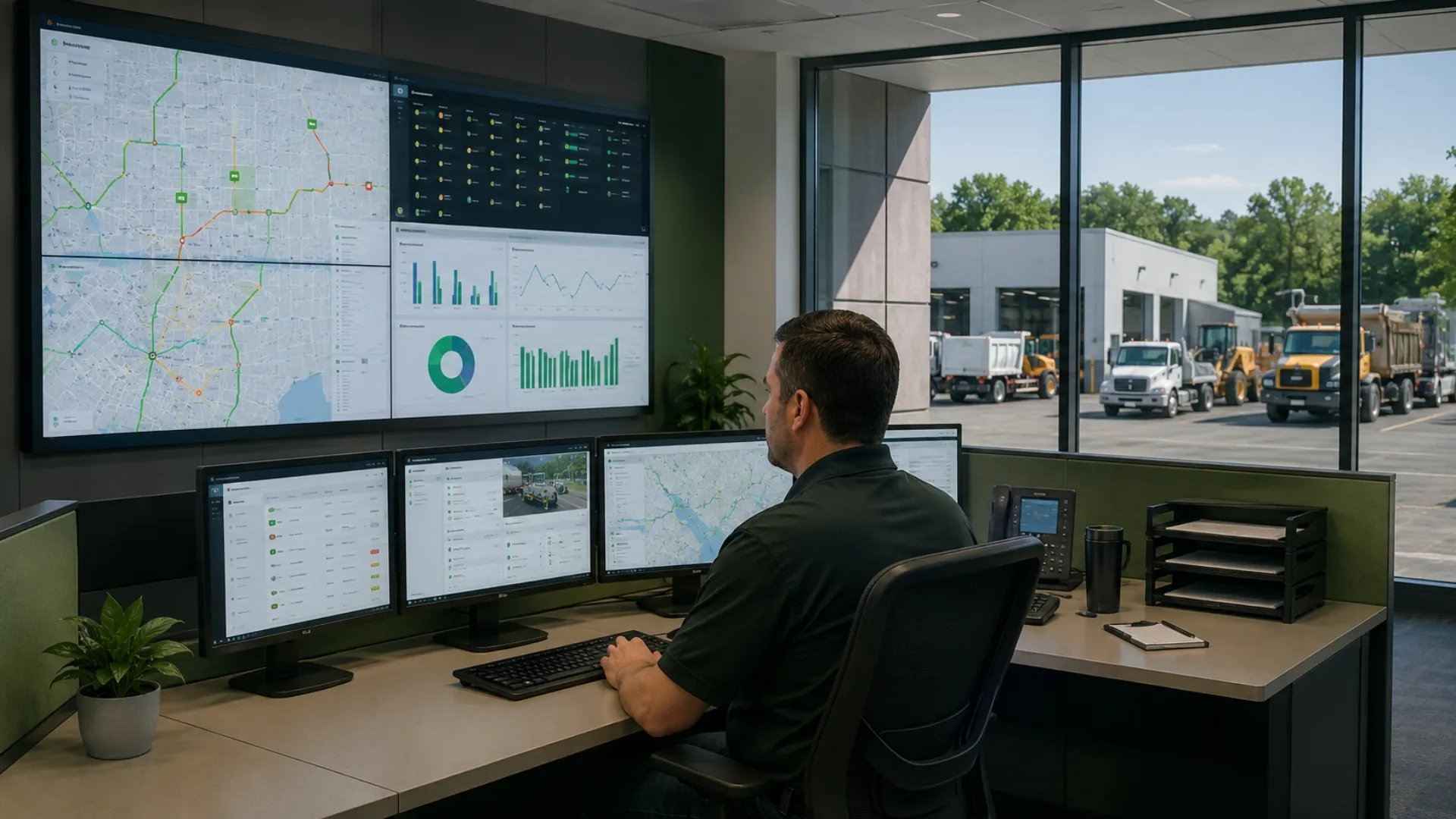
Live Vehicle Tracking gives operations teams real-time visibility into vehicle location, movement, trip activity, and route progress. For public works supervisors, this reduces the need to call drivers or crew leaders repeatedly for status updates.
Field visibility is useful when supervisors need to:
- Confirm the closest available crew.
- Check whether a vehicle has reached the assigned zone.
- Review whether a vehicle is active, parked, delayed, or returning to the depot.
- Support emergency reassignment.
- Verify movement history after a complaint or service question.
- Understand vehicle distribution across departments.
Our Live Vehicle Tracking supports live location, route activity, alarms, driver context, and fleet visibility from one connected dashboard.
Geofencing for service zones, depots, and restricted areas
Geofencing creates virtual boundaries around locations such as depots, workshops, service zones, restricted areas, water points, waste facilities, project sites, public facilities, or municipal yards. When a vehicle enters or exits a geofence, the system can record the event or trigger an alert.
Useful public works geofences may include:
- Main depot and branch depots.
- Maintenance workshops and fuel points.
- Water filling points and sanitation facilities.
- Parks, landscaping, and road maintenance zones.
- Restricted municipal areas and project boundaries.
- Emergency service staging areas.
Geofences should be configured carefully. Too many zones create alert noise. Too few zones miss important exceptions. Start with depots, workshops, restricted zones, and recurring service areas.
Our Alarms and Alerts Module helps teams define which geofence, safety, idling, route, or maintenance events need immediate action.
Maintenance readiness for service-critical vehicles
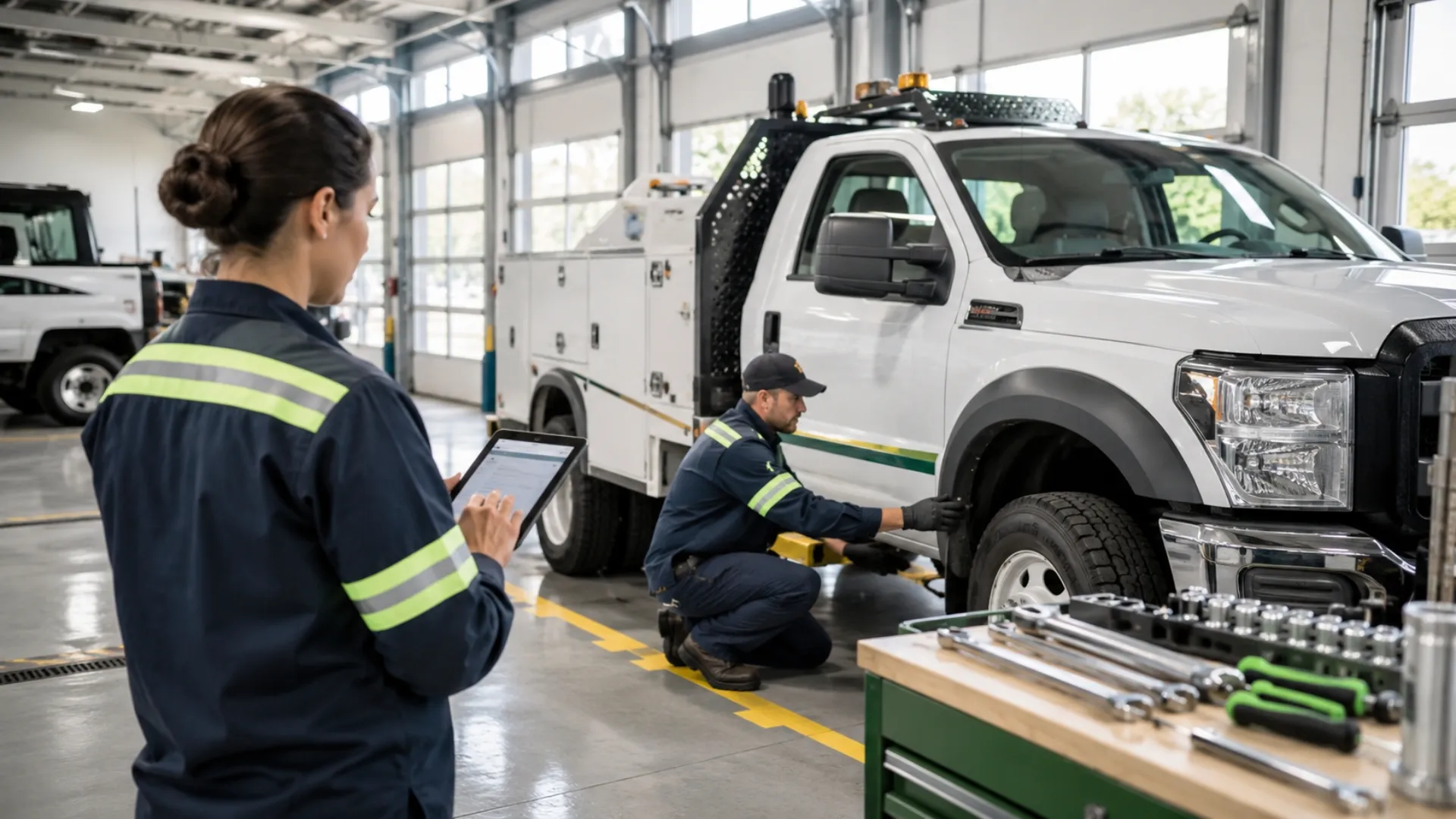
Maintenance readiness is one of the most important controls in public works fleet management. A vehicle that is visible but unavailable still cannot support field work. Maintenance Management should help teams track service schedules, open issues, alerts, follow-up tasks, and readiness before dispatch.
A practical maintenance workflow should define:
- Which vehicles are service-critical.
- Which defects block dispatch.
- Which alerts go to operations, maintenance, or supervisors.
- Who closes a maintenance task.
- How unavailable vehicles are marked.
- Which backup vehicles can be assigned.
- Which trends should trigger replacement or redeployment review.
The safest approach is to measure from the department’s own baseline. Track downtime, overdue tasks, repeated defects, open issues, and vehicles unavailable at shift start. Then use reports to review improvement after the workflow is configured.
Our Maintenance Module supports service schedules, maintenance alerts, follow-up tasks, and reporting for fleet maintenance management.
Reports by vehicle, department, route, and exception
Fleet Reporting turns daily activity into management review. Public works departments need reports that help supervisors act, not reports that only collect data.
Report Type | What It Helps Review | Typical Users |
Vehicle report | Activity, idle time, routes, maintenance status, exceptions | Fleet manager, supervisor |
Department report | Utilization, downtime, assigned vehicles, repeated delays | Department head, operations |
Route report | Route completion, deviations, long stops, zone activity | Dispatcher, field supervisor |
Exception report | Alerts, unresolved issues, geofence events, overdue tasks | Operations, maintenance, HSE |
Readiness report | Available vehicles, unavailable vehicles, open defects | Maintenance, dispatch, leadership |
Reports should have owners and a review cadence. A daily report may fix immediate problems. A weekly report may show repeated route delays or open maintenance issues. A monthly report may help leadership review utilization, downtime, department allocation, and fleet planning.
Use our Fleet Reporting module to create scheduled reports and management views for public works operations.
Need better public works reporting? Book a Safee consultation.
Public works fleet management best practices
Public works fleet management works best when the system is implemented as an operational process, not only a technology installation. The platform should reflect how the department dispatches vehicles, assigns crews, closes service jobs, follows up maintenance, and reports to leadership.
Centralize visibility before expanding the fleet
Before buying more vehicles, municipalities should understand how the current fleet is being used. Some departments may need more capacity. Others may have underused vehicles, avoidable downtime, or poor allocation between depots.
A practical review should ask:
- Which vehicles are consistently unavailable?
- Which departments have repeated shortages?
- Which vehicles are underused?
- Which routes create repeated delays?
- Which depots have the most idle or parked assets?
- Which vehicles repeat the same maintenance issues?
- Which service zones need better coverage?
Centralizing visibility first helps public works leaders improve allocation before adding more vehicles or more complexity.
Set clear alert ownership for exceptions
Alarms and Alerts are only useful when someone owns the response. If every alert goes to everyone, teams ignore them. If alerts go to no clear owner, exceptions remain unresolved.
For public works fleets, alerts may include:
- Route deviation or long stop.
- Geofence entry or exit.
- Unauthorized after-hours movement.
- Vehicle entering a restricted zone.
- Speeding, harsh driving, or excessive idling where configured.
- Maintenance due, overdue, or open defect not closed.
- Vehicle unavailable before assignment.
Each alert should answer four questions: who receives it, what action is expected, when it should be escalated, and how it is closed. This is especially important when dispatch, maintenance, HSE, supervisors, and department heads share responsibility.
Review utilization and downtime every month
Monthly reviews help public works teams move from reactive management to continuous improvement. The goal is not to blame drivers or departments. The goal is to identify repeated patterns that affect public service readiness.
Monthly utilization and downtime reviews may include:
- Vehicles active, idle, parked, or unavailable.
- Downtime by vehicle and department.
- Open maintenance tasks and repeated defects.
- Long stop and idling patterns.
- Route deviations by zone.
- Geofence events and unresolved alerts.
- Department-level vehicle allocation.
- Vehicles that may need redeployment, repair, or replacement review.
For deeper trend analysis, our Tracking Data Analyzer can help teams review repeated delays, utilization patterns, downtime, route behavior, and recurring exceptions.
Want to turn monthly fleet data into better decisions? Contact us for a review workflow.
How Safee supports public works fleet management
Safee supports public works fleet management by helping municipalities and local agencies connect tracking, alerts, maintenance, reporting, mobile access, and accountability into one practical operating workflow.
As a UAE-based fleet management platform serving GCC, Saudi, UAE, and global B2B fleet operations, Safee helps public works teams build practical visibility across vehicles, depots, crews, service zones, alerts, and reports.
For public works departments, the value is not only knowing where a vehicle is. The value is knowing which service vehicle is ready, which crew is delayed, which route needs attention, which alert requires action, which maintenance issue is unresolved, and which reports show repeated problems.
Tracking, alerts, maintenance, and reporting in one platform
A practical Safee setup for public works teams may include:
- Live Vehicle Tracking for vehicle location, movement, route activity, and field visibility.
- Alarms and Alerts for route deviations, geofence events, unauthorized movement, idling, safety, and maintenance exceptions.
- Maintenance Module for service schedules, open defects, readiness follow-up, and unresolved tasks.
- Fleet Reporting for department reports, route reports, exception summaries, and leadership review.
- Mobile App for supervisors and managers who need visibility away from the office.
- Tracking Data Analyzer for deeper review of utilization, route patterns, downtime, and repeated exceptions.
The right configuration depends on the department’s vehicles, depots, service zones, user roles, reporting requirements, maintenance process, and integration environment. Safee should be configured around the real workflow instead of forcing every public works fleet into the same template.
Better accountability for municipal and local government fleets
Accountability in public works should be practical and fair. Driver and crew data should help departments improve service, protect public assets, reduce confusion, and review exceptions with context.
For municipal fleet management, better accountability may include:
- Clear vehicle and crew assignment.
- Role-based access to sensitive data.
- Route history for service review.
- Geofence records for depots and service zones.
- Alert ownership and closure records.
- Maintenance follow-up evidence.
- Reports for department heads and leadership.
- Review cadence for repeated issues.
Our platform can support the data layer, alerts, reports, mobile visibility, and workflow review. Each municipality or local agency should define its own policies for driver communication, privacy, access control, escalation, data retention, and internal review before deployment.
Public works fleet management becomes valuable when it helps teams act faster, reduce blind spots, keep vehicles ready, and create clearer service evidence. For municipalities and local agencies, the strongest setup connects daily field operations with consistent reporting and accountable follow-up.
Safee helps public works teams build that control layer through live tracking, alerts, maintenance workflows, reporting, mobile access, and analytics. If your public works fleet still depends on manual calls, delayed updates, or disconnected reports, the next step is to map your vehicles, depots, service zones, alerts, and reporting needs into one practical workflow.
Ready to improve public works fleet management? Request a Safee demo.
FAQs about public works fleet management
What is public works fleet management?
Public works fleet management is the process of tracking, maintaining, assigning, and reviewing the vehicles, drivers, crews, routes, depots, and field operations used by public works departments. It helps municipalities and local agencies improve service readiness, route control, maintenance follow-up, and field accountability.
How is public works fleet management different from government fleet management?
Public works fleet management focuses on daily field service execution: crews, routes, depots, service zones, vehicle readiness, maintenance response, and operational exceptions. Broader public-sector fleet programs may also include policy, procurement, compliance, lifecycle planning, and cross-agency governance.
What vehicles are included in a public works fleet?
A public works fleet may include pickups, service vans, maintenance trucks, water tankers, street cleaning vehicles, inspection vehicles, supervisor vehicles, waste support vehicles, equipment carriers, and specialized municipal service assets. The exact scope depends on the department’s services, depots, routes, and operating model.
How can municipalities reduce downtime in public works fleets?
Municipalities can reduce downtime by tracking maintenance schedules, open defects, overdue service tasks, readiness status, repeated issues, and unavailable vehicles. They should define which defects block dispatch, who owns maintenance closure, and which reports are reviewed daily, weekly, and monthly.
How does Safee help public works departments improve fleet accountability?
Safee helps public works departments improve accountability by connecting Live Vehicle Tracking, Alarms and Alerts, Maintenance Management, Fleet Reporting, Mobile App access, and Tracking Data Analyzer into one workflow. This helps teams review vehicle movement, route exceptions, geofence activity, maintenance status, alert closure, and department-level performance with clearer evidence.
Ready to improve your fleet operations?
Tell us what you would like to improve. A Safee specialist will reply by email.
Usually replies within one business day • No sales spam
Your details are used only to respond to your request. Privacy Policy