
How to Choose Fleet Management Software in Syria
Managing vehicles in Syria becomes difficult when teams depend on phone calls, WhatsApp updates, paper notes, or basic GPS dots to understand what is happening on the road. A delivery may be delayed, a driver may leave the planned route, a vehicle may need service, fuel use may rise without explanation, or management may ask for reports that the team cannot produce quickly.
For B2B fleets, the real problem is not only knowing where vehicles are. The real problem is controlling daily operations with enough visibility to protect drivers, reduce downtime, manage fuel, review incidents, and make faster decisions. That is where Safee fleet management platform can help businesses operating in Syria move from manual follow-up to a connected fleet management workflow.
This guide explains how to choose fleet management software in Syria for transport, distribution, construction, field service, small business, and mixed vehicle fleets. You will learn which features matter most, see where Safee fits as a fleet management platform for Syrian B2B fleets.
What should the best fleet management software in Syria mean?
The best fleet management software is not always the platform with the longest feature list or the cheapest fleet tracking device. The best option is the fleet management system that matches the way your business actually runs vehicles, drivers, trips, branches, sites, maintenance, and reports.
For Syrian fleets, this means starting with practical needs: vehicle visibility, driver supervision, downtime control, route history, fuel use, incident review, vehicle maintenance, and reliable reports for management. A company with five service vans does not need the same setup as a distribution fleet operating trucks across multiple cities.
A strong selection process begins with the problems you want to solve. Many fleet challenges are visibility and accountability problems before they become technology problems. If your team cannot see where vehicles are, how drivers behave, when service is due, or why delays happen, the business stays reactive.
- Poor real-time vehicle visibility.
- Manual follow-up with drivers and supervisors.
- Fuel waste, long idling, or unauthorized vehicle use.
- Missed maintenance and unexpected downtime.
- Weak driver behavior review and limited safety context.
- No reliable reports for management decisions.
Choose a fleet management platform that fits your fleet type
A fleet management platform should fit the fleet’s daily workflow. Delivery teams may need customer visit proof and ETA review. Construction fleets may need site geofences and utilization reporting. Field service teams may need technician movement visibility. Mixed fleets may need different dashboards for cars, vans, trucks, and pickups.
Our Essential Modules bring together core tools such as Live Vehicle Tracking, Alarms and Alerts, Fleet Reporting, Maintenance Management, Fuel Tracking, and Driver Management so each business can configure the workflow around its operating model.
Is fleet tracking enough for fleet managers in Syria?
Many buyers begin by searching for fleet tracking software, a fleet tracking system, a fleet tracking device, or a GPS tracker for fleet vehicles. That is normal because location visibility is usually the first problem fleet managers want to fix.
However, basic tracking only answers one question: where is the vehicle? Complete fleet management software should also help answer what happened, why it happened, who should act, and how the business can improve the next trip.
Live vehicle tracking for daily fleet visibility
Live Vehicle Tracking helps managers monitor vehicle location, movement status, route history, stops, idling, and geofence activity. For businesses operating in Syria, this can reduce uncertainty across deliveries, sites, branches, customer visits, and service routes.
- Find the closest available vehicle for a job or delivery.
- Check route history after complaints, delays, or missed visits.
- Reduce manual calls between dispatchers, drivers, and supervisors.
- Review whether a vehicle reached a customer, branch, warehouse, or project site.
Geofencing and alerts turn tracking data into action
Tracking becomes more useful when it is connected to alerts. Geofences can be set around warehouses, branches, customer locations, project sites, depots, and restricted areas. When a vehicle enters or exits a zone, the system can record the event or trigger a notification.
Our Alarms and Alerts can support configurable notifications for events such as speeding, harsh driving, unauthorized movement, route deviation, geofence breaches, and maintenance-related exceptions.
The goal is not to create alert noise. The goal is to define which events matter, who receives them, and how each exception should be closed.
Also read: Best Fleet Management Software in Syria: Why Safee Fits Modern Fleets?
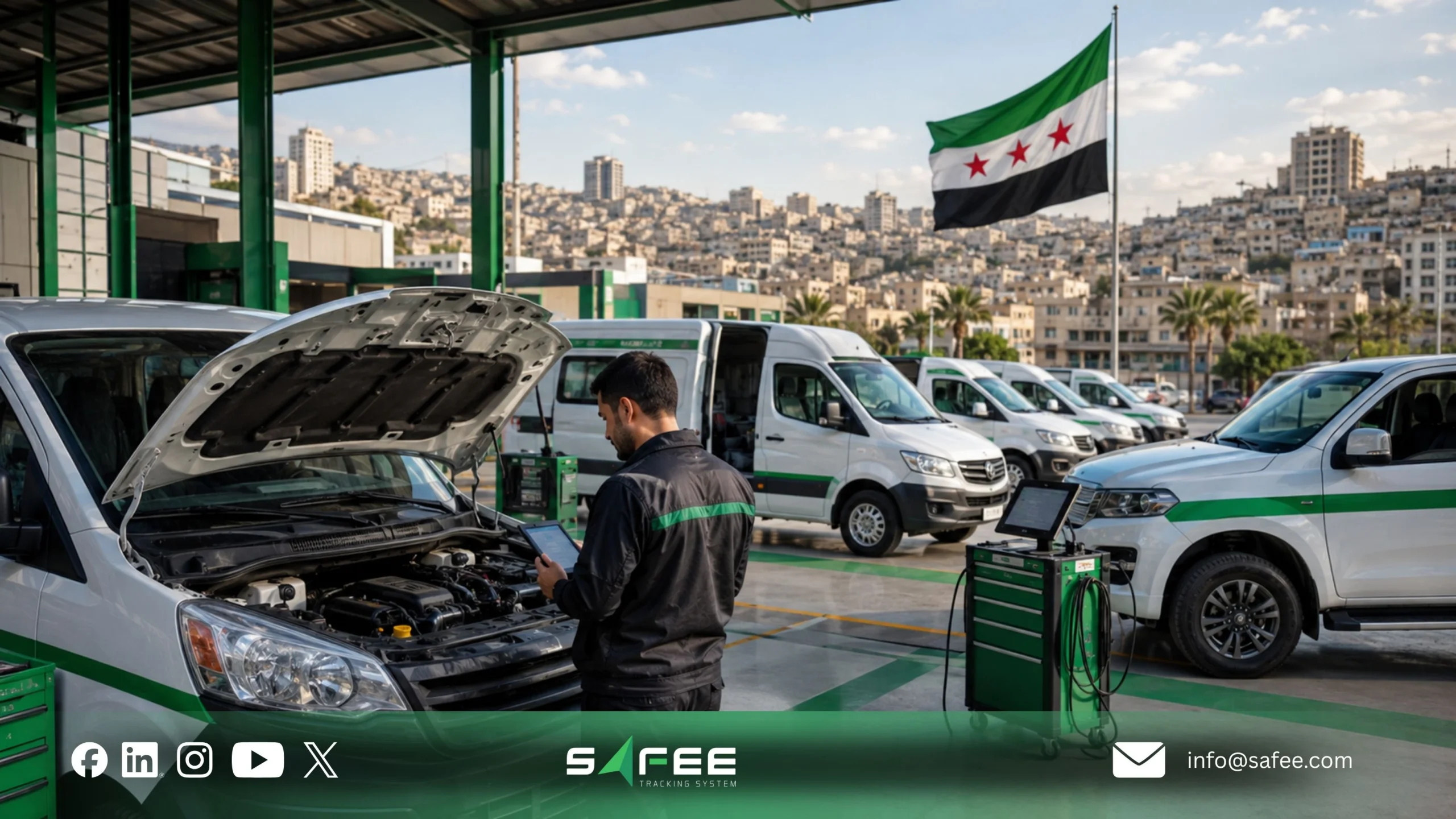
Core features to compare in fleet management software
When comparing fleet management companies or fleet management services, Syrian businesses should focus on features that improve daily control, not only dashboard appearance. The right fleet management solutions should make tracking, safety, maintenance, fuel, routing, and reporting easier to manage.
Fleet telematics and driver behavior monitoring
Fleet telematics combines vehicle, driver, location, and performance data so managers can review how the fleet is actually being used. In practical terms, it can show speeding, harsh braking, harsh acceleration, idling, repeated route issues, and driver-risk patterns.
Our tracking and fleet management system supports driver assignment visibility, driver behavior monitoring, and reporting. For HSE and operations teams, this helps shift safety review from opinion-based discussions to data-supported coaching.
Video IVMS for sand incident review
Video IVMS adds visual context to fleet monitoring systems. When a harsh braking event, collision, near miss, customer complaint, or unsafe behavior appears in the data, video can help managers understand what happened before and after the event.
Our Video IVMS module supports AI-powered video telematics, real-time alerts, driver behavior analysis, and video-backed incident validation. Video should be deployed with clear access rules, review policies, and privacy expectations so it supports safety and accountability without creating unnecessary internal friction.
Fleet maintenance software and vehicle readiness
Fleet maintenance software helps teams manage service reminders, open defects, service history, repair follow-up, inspection schedules, and readiness status. This is essential for fleets that operate long routes, demanding site work, or high daily vehicle use.
Safee’s Maintenance Module can support proactive maintenance alerts, maintenance tracking, task automation, and reporting. When managers compare vehicle maintenance software or the best fleet maintenance management software, they should check whether the system helps prevent dispatching vehicles that are not ready.
Fuel control, idling, and route efficiency
Fuel control is not only a finance issue. It is connected to driver behavior, route choices, idling, vehicle utilization, unauthorized use, and maintenance conditions. A fleet management system should help managers identify patterns that create avoidable fuel pressure.
- Long idling at sites or stops.
- Repeated route deviations.
- Fuel-related exceptions that need review.
- Unbalanced use of vehicles across branches or teams.
- Unplanned movement outside approved work needs.
Journey management and routing control
For companies with planned trips, long routes, high-risk journeys, or customer delivery windows, routing and journey control matter as much as tracking. A journey workflow can help teams plan, monitor, approve, and review trips more consistently.
Safee’s Journey Management System supports route planning, journey monitoring, route control, trip review, and operational governance where structured journey management is required.
Fleet reporting and mobile access
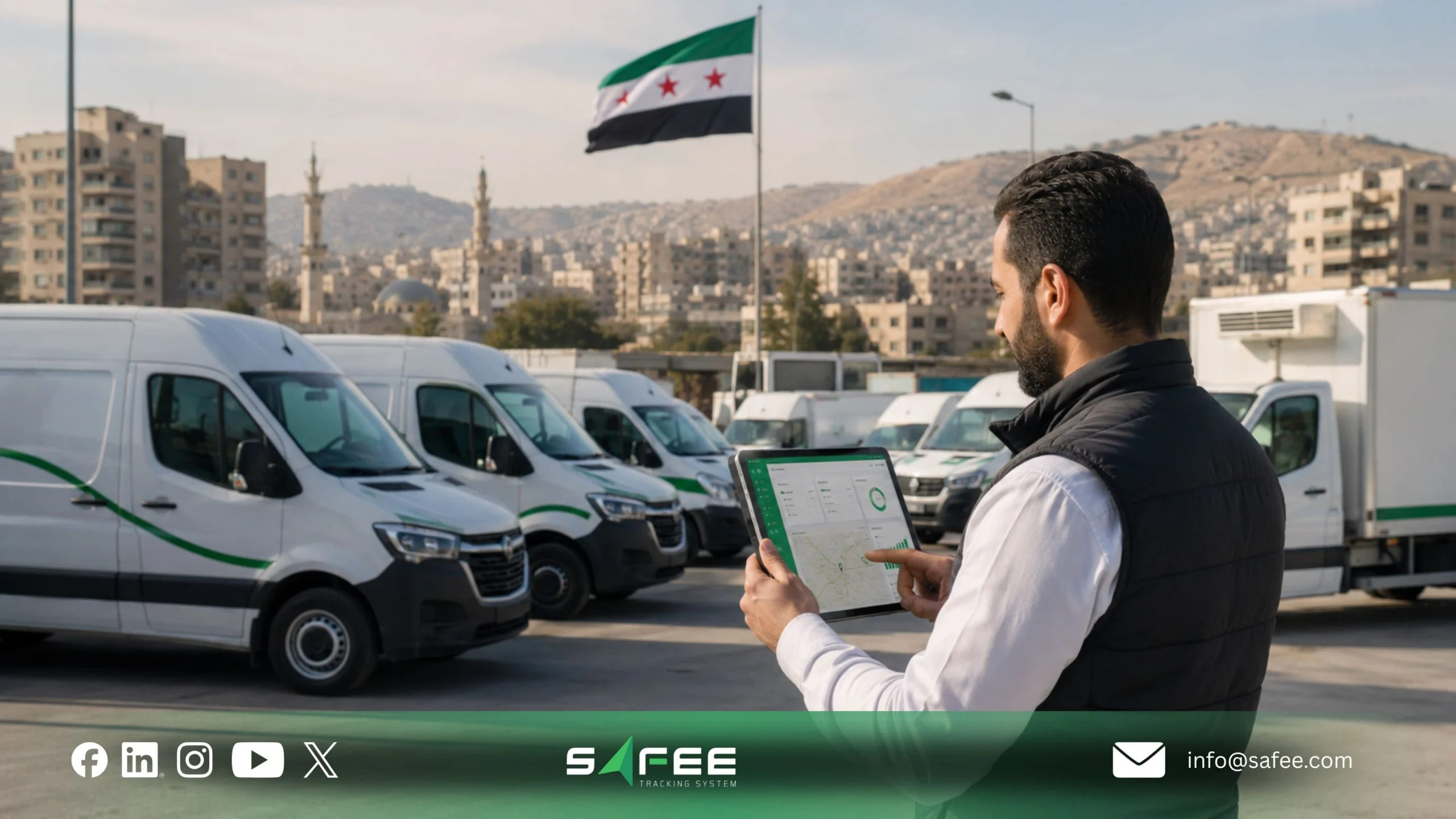
Fleet reports turn daily activity into management insight. Supervisors need dashboards for the day; decision-makers need reports that show utilization, driver behavior, trip history, route deviations, maintenance status, fuel indicators, and exceptions over time.
Our Fleet Reporting gives managers customizable reports and scheduled reporting options, while the Mobile App helps managers and supervisors access live tracking, alerts, and reports away from the office.
Here is a simple table summarizing these features:
Feature | What It Controls | Why It Matters |
Fleet tracking software | Live location, trip history, stops, route movement | Reduces manual follow-up and improves dispatch visibility |
Fleet telematics | Driver behavior, idling, speed, harsh events, usage data | Supports safety coaching and operational review |
Video IVMS | Incident context, driver behavior, event validation | Adds visual evidence where safety risks need deeper review |
Fleet maintenance software | Service reminders, defects, downtime, readiness | Helps reduce missed service and unexpected vehicle downtime |
Fuel monitoring | Fuel patterns, idling, abnormal use, inefficient routes | Improves cost visibility and fuel control |
Journey and route management | Planned routes, approvals, route deviations, trip review | Improves route discipline and accountability |
Fleet Reporting | KPIs, exceptions, utilization, management reports | Turns fleet data into decisions |
Matching fleet management software to fleet types in Syria
The right setup depends on the fleet type. A Syrian business should not buy a generic vehicle tracking system without checking whether it supports its actual vehicles, routes, users, and reports.
Transport and distribution fleets
Transport and distribution fleets usually need strong fleet vehicle GPS tracking systems, trip history, delivery visibility, route review, driver behavior monitoring, fuel control, and maintenance planning. For truck-heavy operations, related guidance on truck fleet management services can help teams compare needs by truck type, route model, and operational risk.
Construction and contracting fleets
Construction fleets often move between project sites, yards, warehouses, and temporary work zones. They may need site geofences, utilization reporting, heavy equipment visibility, vehicle readiness, and project-based reports. Safee also provides guidance for construction equipment fleet management software where equipment usage and site productivity are important.
Field service and maintenance fleets
Field service fleets need technician movement visibility, customer visit confirmation, response time review, dispatch support, and route history. A strong fleet management system can help confirm which vehicle reached which location, how long the visit lasted, and which nearby driver can respond to the next job.
Small business and mixed vehicle fleets
Fleet management software for small businesses should stay practical. Small fleets still need vehicle tracking, driver accountability, maintenance reminders, fuel visibility, and clear reports without requiring a complex IT setup. Our guide to small business fleet management software is a useful internal reference for smaller operators.
Mixed fleets with cars, vans, pickups, and trucks need flexible user roles, vehicle groups, alert rules, and reports. The best fleet management software is the one that lets each vehicle type follow the right workflow without making the system difficult to operate.

Questions to ask before choosing fleet management software in Syria
Before comparing fleet management companies, start with operational questions. This prevents the decision from becoming only a device-price comparison.
- Can the system scale if the fleet grows?
- Which maintenance problems create downtime today?
- Which reports should leadership receive weekly or monthly?
- Do we need Video IVMS for safety, HSE, or incident review?
- Do we need fuel visibility, idling reports, or route efficiency review?
- Do we need GPS tracking only or a complete fleet management platform?
- Which routes, branches, warehouses, customer sites, or project locations need geofences?
- Which vehicles need tracking: cars, vans, trucks, pickups, buses, machinery, or mixed assets?
- Who will use the platform: fleet managers, dispatchers, HSE, operations, finance, branch managers, or owners?
- What support is needed for rollout, device setup, user roles, alerts, reports, and onboarding?
A low-cost fleet tracking device may be useful for basic location, but it may not help with driver behavior, maintenance, fuel control, Video IVMS, advanced alerts, reporting, mobile access, or future scalability. The better question is: which platform helps us manage the fleet more clearly every day?
Where Safee fits as fleet management software in Syria?
Safee can be a practical fit for businesses operating fleets in Syria when they need more than basic GPS tracking. The platform supports B2B fleet operations through connected modules for tracking, alerts, driver monitoring, Video IVMS, maintenance, fuel visibility, journey management, reports, and mobile access.
Our platform is positioned as a comprehensive fleet management system with GPS fleet tracking, telematics, reporting, maintenance, journey planning, IoT integrations, driver cameras, and industry-focused fleet management solutions.
Safee is strongest when you need one connected workflow
Safee is most relevant when your business wants tracking, alerts, reports, safety visibility, driver accountability, maintenance readiness, fuel review, and routing control in one platform rather than separate tools that create disconnected data.
- Use Live Vehicle Tracking for real-time visibility and route history.
- Use Alarms and Alerts for speeding, geofence, route deviation, unauthorized use, and exception notifications.
- Use Driver Management for driver assignment visibility and behavior monitoring.
- Use Video IVMS when incident context and safety review require video-backed evidence.
- Use the Maintenance Module for service schedules, alerts, and readiness follow-up.
- Use Fleet Reporting to turn fleet data into management reports.
Suggested rollout plan for Syrian fleet operations
A successful rollout should be practical. Start with the vehicles, routes, users, and reports that create the most pressure, then expand once the team is confident.
- Map your fleet: vehicles, drivers, branches, routes, customer locations, project sites, and reporting needs.
- Start with live tracking, geofences, and essential alerts so managers can control daily visibility.
- Add Driver Management and Video IVMS where driver safety and incident review matter.
- Add maintenance workflows to reduce missed service and improve vehicle readiness.
- Review fuel and route indicators to identify idling, waste, and inefficient movement.
- Build dashboards and Fleet Reporting for operations, HSE, finance, and management.
Contact Safee to review your fleet size, vehicle types, routes, safety needs, maintenance process, and reporting requirements before choosing the right setup.
Choose platform that fits Syrian fleet management operations
The best fleet management software in Syria is the system that fits the fleet’s real operating needs. A strong platform should help businesses track vehicles, monitor drivers, manage maintenance, review fuel, control routes, use Video IVMS where needed, and produce reports that help managers act faster.
Safee can support Syrian B2B fleets that need a connected fleet management platform rather than basic GPS tracking alone. The right configuration depends on your fleet size, vehicle mix, routes, operating risks, management reports, and growth plan.
Ready to evaluate fleet management software in Syria? Contact us to discuss tracking, safety, Video IVMS, maintenance, fuel control, routing, and reporting for your business fleet.
FAQs about fleet management software in Syria
What is fleet management software in Syria used for?
Fleet management software in Syria is used to track vehicles, monitor drivers, manage trips, receive alerts, plan maintenance, review fuel and idling, control routes, and generate reports for business fleets.
What is the best fleet management software in Syria?
The best fleet management software depends on fleet size, vehicle types, routes, safety needs, maintenance workflow, fuel challenges, reporting needs, and scalability. The right platform should match the business operation rather than only offer a low-cost tracker.
Is a fleet tracking system enough for company vehicles?
A fleet tracking system is useful for location visibility, but many businesses also need alerts, driver behavior monitoring, fleet maintenance software, fuel visibility, Video IVMS, route control, and reporting dashboards.
What features should fleet management software include?
Important features include Live Vehicle Tracking, geofencing, Alarms and Alerts, Driver Management, fleet telematics, Video IVMS, Maintenance Module, fuel monitoring, Journey Management System, Fleet Reporting, and Mobile App access.
Can small businesses use fleet management software?
Yes. Fleet management software for small business can help owners and managers reduce manual follow-up, monitor vehicles, improve accountability, track maintenance, manage fuel, and review reports without a large internal fleet department.
When does a business need Video IVMS?
A business may need Video IVMS when safety risks, driver behavior, customer-facing operations, high-use routes, or incident review require visual context beyond GPS location and telematics alerts.
Where does Safee fit for Syrian B2B fleets?
Safee can fit businesses operating in Syria that need more than basic GPS tracking, especially when they need tracking, safety visibility, Video IVMS, maintenance, fuel control, routing, reporting, and fleet monitoring in one platform.
Ready to improve your fleet operations?
Tell us what you would like to improve. A Safee specialist will reply by email.
Usually replies within one business day • No sales spam
Your details are used only to respond to your request. Privacy Policy