
How Fleet Driver Management Protects Safety and Privacy

A driver gets called into a meeting because of a harsh braking alert. HR wants the conversation to be fair. The safety officer wants evidence. The fleet manager wants fewer incidents. The problem starts when the driver feels watched instead of protected. This is the tension behind modern fleet driver management.
This guide explains how B2B fleets can build a privacy-first driver management program that protects drivers, improves fleet management driver safety, and uses fleet management driver behaviour data responsibly. It also shows how Safee, as a UAE-based fleet management platform serving GCC and global operations, can support safer driver coaching, reporting, alerts, and operational control without encouraging a surveillance culture.
Why must fleet driver management balance safety and privacy?
Fleet driver management must balance safety and privacy because the same data that helps protect drivers can also create mistrust if it feels like constant surveillance. Fleet managers need visibility to reduce road risk, HR teams need fair evidence for driver-related decisions, and safety officers need reliable data to prevent incidents. Drivers, however, need to know that monitoring is limited, work-related, and used for safety rather than unnecessary control.
Modern fleet driver management covers more than vehicle assignment and location checks. It may include driver identity, work-hour visibility, speeding events, harsh braking, idling, route exceptions, incident reviews, and coaching workflows. These insights can improve fleet management driver safety, reduce fines, protect responsible drivers from false claims, and give management a clearer picture of road risk.
The problem starts when drivers do not understand what is collected, when monitoring is active, who can access reports, and how the information may be used. Without clear boundaries, even useful fleet management driver behaviour data can create resistance and reduce trust.
The right approach is to collect only data with a clear safety or operational purpose, explain that purpose to drivers, limit access to authorized teams, and use reports for coaching before escalation. At Safee, we help fleet teams structure driver visibility around safety, accountability, and practical governance.
Request a Safee demo to review your driver safety goals, privacy boundaries, alert rules, and fleet safety management workflow before rollout.
What should modern fleet driver management track?
A privacy-respecting program starts by separating useful work-related signals from unnecessary personal monitoring. The goal is not to collect everything; the goal is to collect what helps the business make safer and fairer decisions.
Data Point | Safety | Privacy |
Work-hour location | Dispatch, route visibility, incident support | Avoid off-duty visibility unless it is required and disclosed. |
Speeding events | Fleet management driver safety and coaching | Review patterns and context before action. |
Acceleration | Risk detection and driver coaching | Check traffic, route, load, and schedule pressure. |
Idling and utilization | Fuel efficiency and productivity review | Do not treat it as personal judgment without context. |
Route exceptions | Operational control and risk review | Use clear rules for approved deviations. |
Driver scorecards | Trend visibility and improvement tracking | Explain scoring logic and review process. |
Our Live Vehicle Tracking helps managers understand vehicle status and movement during operations, and Alarms and Alerts module supports faster responses to speeding, geofence breaches, and other exceptions when those alerts are configured around a clear safety policy.
What should fleet driver management not track?
Even if a system can capture a data point, that does not mean the business should use it. A driver welfare approach should avoid:
- Personal conversations
- Private off-duty movement
- Irrelevant personal data
- Non-work app activity
- Excessive live viewing
- Any monitoring that cannot be explained in plain language.
This boundary is especially important for fleets with take-home vehicles, mixed personal and work use, or cross-border operations across the GCC. Privacy expectations, employment practices, and compliance requirements may differ by market, so the policy must be specific rather than generic.
Why does fleet management driver safety depend on trust?
Fleet management driver safety improves when drivers believe the system exists to protect them, not to trap them. Trust changes how drivers respond to coaching. It also reduces disputes, improves adoption, and gives HR and safety teams a stronger basis for fair decisions.
For example, repeated harsh braking on the same route may show a driver behaviour issue. It may also show poor road conditions, unrealistic delivery windows, frequent pedestrian crossings, heavy traffic, or a vehicle maintenance problem. A good fleet safety management process checks the context before blaming the driver.
The strongest programs use driver data as a shared safety tool. They recognize responsible driving, identify route-level risk, and turn reports into coaching conversations that drivers can understand and respond to.
Also read: AI Driver Behavior Analysis for Safer Fleets
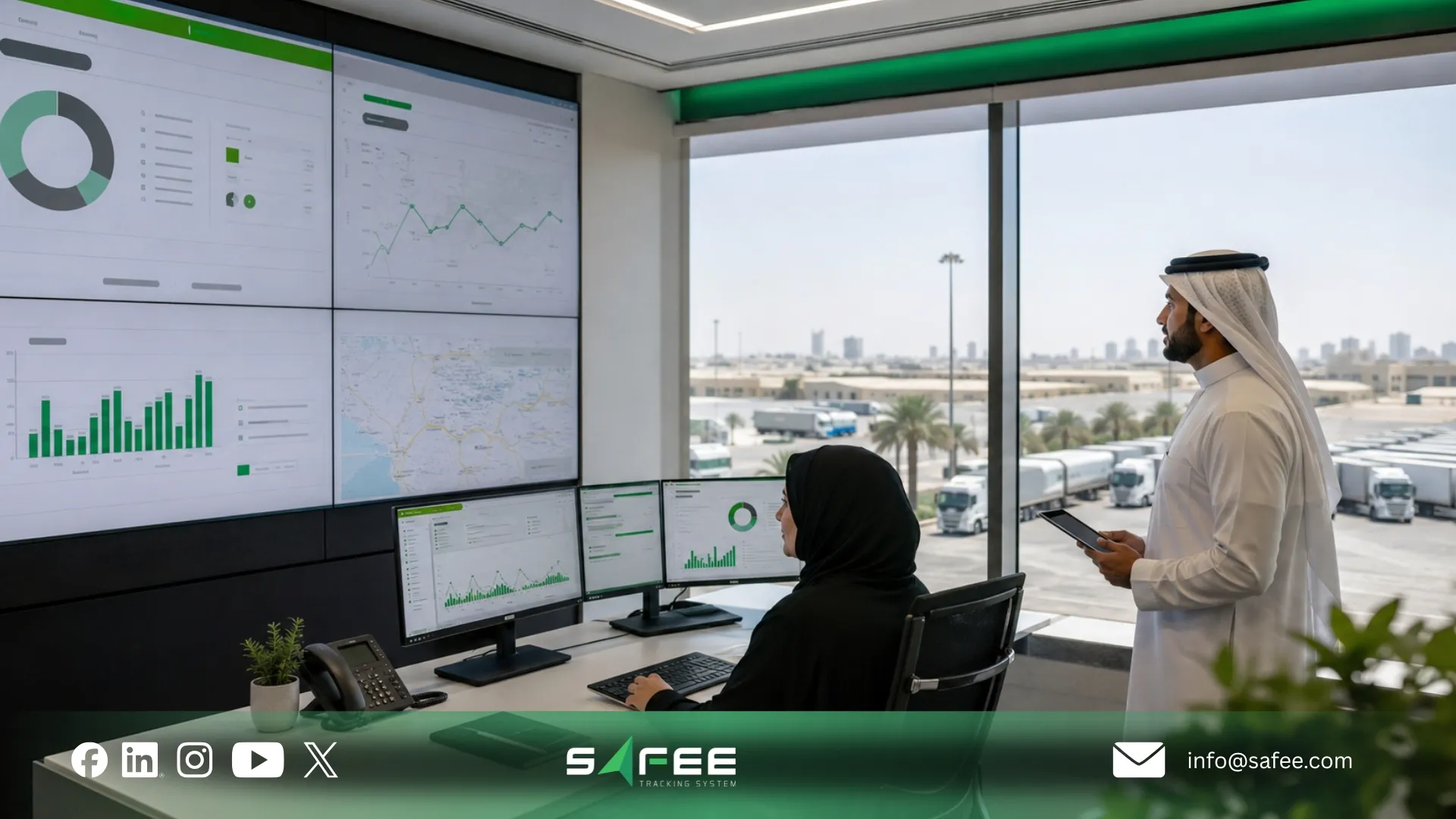
Building a privacy-respecting fleet driver management program
Technology alone does not create a fair program. The operating rules matter just as much. Before dashboards go live, fleet managers, HR leads, and safety officers should agree on the boundaries of data collection, access, review, escalation, and communication.
Your program should answer four questions clearly: who is being monitored, what data is collected, why the data is needed, and how it will be used, protected, retained, and reviewed.
Boundaries in your fleet safety management policy
A fleet safety management policy should be short enough to understand and detailed enough to guide daily decisions. It should define:
- The purpose of fleet driver management data collection.
- The data collected during working hours.
- Whether off-duty or personal-use vehicle data is collected, and why.
- Who can access driver-level reports.
- How alerts are reviewed before coaching or escalation.
- How drivers can question or correct inaccurate records.
- When HR, safety, and operations teams may use named driver reports.
- When anonymized or aggregated reports should be used instead.
- How long data is retained, based on internal policy and applicable requirements.
The policy should also separate safety events from productivity assumptions. A speeding alert may require safety review. A longer stop may have an operational explanation. A privacy-first policy prevents raw data from becoming unfair judgment.
Fleet management driver behaviour data responsibly
Fleet management driver behaviour data is most useful when it shows patterns. One alert may be a moment. A repeated pattern may be a training need, route issue, vehicle condition problem, or policy concern.
A responsible coaching workflow can follow this sequence:
- Identify the repeated pattern.
- Check trip context, route conditions, shift timing, and vehicle status.
- Compare the event against agreed policy thresholds.
- Discuss the situation with the driver before concluding.
- Agree on a coaching action or route/process improvement.
- Review progress over time.
- Escalate only when risk continues or policy requires formal action.
This approach helps HR protect fairness, helps safety officers focus on evidence, and helps fleet managers improve performance without creating unnecessary conflict.
Transparent communication with drivers
Drivers should not learn about tracking rules after an incident. Communication should happen before rollout, during onboarding, and whenever the policy changes.
A clear driver communication should explain:
- How coaching works.
- When monitoring is active.
- What the company does not collect.
- Who can access driver-level reports.
- What fleet driver management data is collected.
- Why data supports driver welfare and road safety.
- How drivers can ask questions or challenge inaccurate information.
A useful message is direct: “We use this system to improve safety, support fair coaching, and protect drivers and the business. We will explain what is tracked, limit access, and use the data responsibly.”
Talk to us about building a clear driver communication plan that explains tracking rules, reporting access, coaching workflows, and privacy boundaries.
ِAlso read: Fleet Driver Performance Management: Safee’s Full Guide

How to turn privacy-first fleet driver management into daily practice?
Privacy-first fleet driver management only works when policy becomes part of the daily workflow. Fleet managers, HR leads, and safety officers should agree on what is tracked, when monitoring is active, who can access reports, and how driver behaviour data moves from alert to coaching or escalation.
At Safee, we help fleet teams connect this governance model with practical tools: Driver Management for driver identity and behaviour visibility, Live Vehicle Tracking for work-hour operational monitoring, Alarms and Alerts for safety exceptions, Fleet Reporting for structured review, and Proactive Road Safety Solution for safer fleet operations.
The goal is not to monitor drivers all the time. The goal is to give the business enough visibility to improve fleet management driver safety while keeping driver privacy boundaries clear, explainable, and consistent.
Define on-duty and off-duty rules for fleet management driver safety
On-duty monitoring is easier to justify because it supports active work, dispatch, incident response, and fleet management driver safety. Off-duty monitoring is more sensitive and should be tightly defined.
Your policy should clarify:
- When a driver is considered on duty.
- Whether vehicles are shared, assigned, or taken home.
- Whether personal use is allowed.
- How after-hours emergency use is handled.
- Whether location visibility is limited outside working hours.
- Who can approve exceptions.
- How drivers know when monitoring is active.
The aim is not to weaken safety controls; it is to avoid unnecessary visibility into private time while keeping work-related risk manageable.
Use anonymized reports for fleet management driver behaviour coaching
Not every report needs a driver name. Anonymized or aggregated reports are useful for safety meetings, leadership dashboards, route risk reviews, and training plans. Named reports should be reserved for individual coaching, incident investigation, repeated risk patterns, or documented policy escalation.
Our Fleet Reporting supports clearer performance review by turning raw operational data into structured reports. Used carefully, these reports will help your team discuss trends without turning every data point into a personal file.
Set access controls for stronger fleet safety management
Access rules should reflect business needs. Fleet managers may need operational reports for assigned vehicles. Safety officers may need incident and risk reports. HR may need selected records for formal processes. Executives usually need aggregated dashboards, not full driver-level detail.
A privacy-first workflow should also document who reviews alerts, who can export reports, how disputes are handled, and when an event moves from coaching to escalation. This protects drivers and gives the business a stronger internal governance trail.
Request a Safee consultation to map driver roles, access permissions, safety alerts, fleet reports, and coaching workflows around your operating model.
Why Choose Safee for fleet driver management?
Choosing a fleet driver management platform is a governance decision as much as a software decision. B2B fleets need tools that improve visibility, reduce road risk, support fair coaching, and work across real operating environments.
At Safee, we support fleet teams from our UAE base with a platform designed for B2B operations across the GCC and global markets. Our role is to help organizations connect driver identity, trip visibility, alerts, reporting, and safety workflows in one practical operating model.
How does Safee support fleet management driver safety without excessive monitoring?
At Safee, we help fleet teams improve fleet management driver safety by focusing on work-related events, configurable alerts, operational reports, and structured driver coaching. This gives managers better evidence while helping HR and safety teams keep the process fair.
- Driver Management supports driver behaviour visibility and performance management.
- Live Vehicle Tracking supports real-time work-hour visibility for vehicles, drivers, and assets.
- Alarms and Alerts helps teams respond faster to safety and operational exceptions.
- Fleet Reporting supports clearer analysis, scheduled reports, and management review.
- Proactive Road Safety Solution supports a more preventive approach to fleet safety management.
Better driver welfare and stronger fleet management driver behaviour outcomes
Drivers are more likely to accept coaching when they understand the rules and feel respected. A fair fleet driver management program can reduce conflict, recognize responsible driving, identify risky routes, and support better fleet management driver behaviour outcomes over time.
For fleet managers, the value is operational control. For HR leads, it is fairness and consistency. For safety officers, it is clearer risk visibility. For drivers, it is a safety program that explains what is tracked and why.
Request a Safee demo to build a safer fleet driver management workflow for your driver roles, operating regions, privacy rules, and reporting needs.
Also read: Distraction Monitoring & Driver Assistance System of Safee Fleet Management Platform
FAQs about Fleet Driver Management and Privacy
How can fleet driver management respect driver privacy?
Fleet driver management can respect privacy by collecting only necessary work-related data, explaining the purpose, defining on-duty and off-duty boundaries, limiting access, and using reports for coaching before formal escalation.
What fleet management driver safety data is reasonable to collect?
Reasonable fleet management driver safety data may include work-hour location, speeding events, harsh braking, harsh acceleration, idling, route exceptions, and incident-related trip records. Each data point should have a clear safety or operational purpose.
How do I coach fleet management driver behaviour without surveillance?
Coach fleet management driver behaviour by focusing on repeated patterns, trip context, and improvement. Review the event with the driver, consider route or schedule pressure, agree on a corrective action, and track progress over time.
What should a fleet safety management privacy policy include?
A fleet safety management privacy policy should include what data is collected, when monitoring is active, who can access reports, how long data is retained, how drivers can challenge records, and when named reports can be used.
Is Safee suitable for GCC and global B2B fleets?
Yes. Safee is positioned for B2B fleet operations from its UAE base and supports teams across the GCC and global markets with modules for driver management, tracking, alerts, reporting, and road safety workflows.
Ready to improve your fleet operations?
Tell us what you would like to improve. A Safee specialist will reply by email.
Usually replies within one business day • No sales spam
Your details are used only to respond to your request. Privacy Policy