

How IoT Fleet Management Turns Live Data into Action
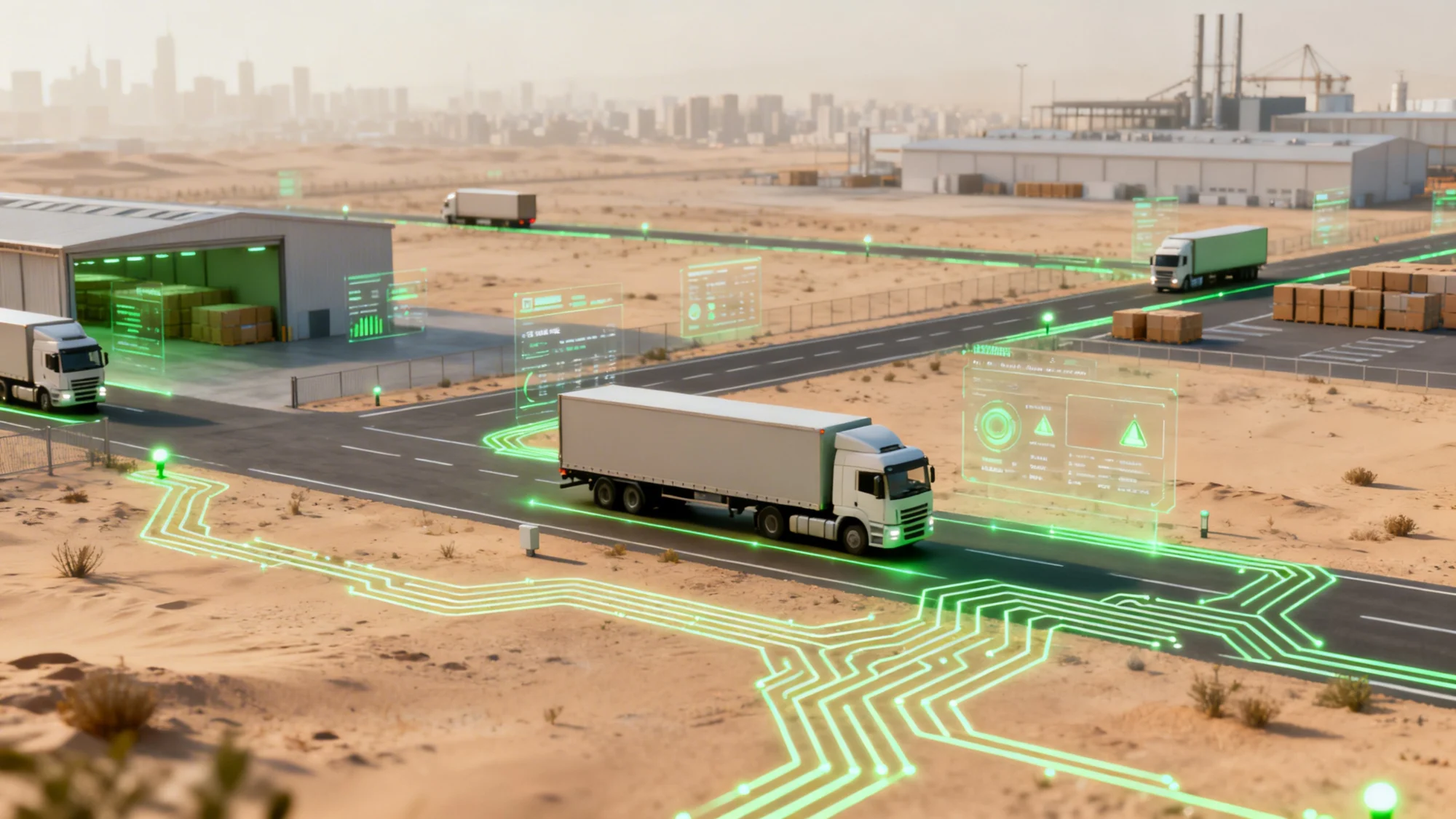
If you manage a modern fleet, the challenge is no longer just knowing where vehicles are. You need continuous visibility into what is happening across operations so you can respond faster, reduce downtime, control idling, and keep service performance on track.
That is where IoT fleet management matters. Instead of relying on delayed updates or basic tracking alone, IoT in fleet management helps you connect vehicles, drivers, and assets to live operational data that supports faster decisions and stronger day-to-day control.
In this guide by Safee, you will learn what fleet management IoT means in practice, how it goes beyond traditional tracking, how the technology works, the main business benefits, real use cases of IoT for fleets, and how to choose the right solution for your operation. You will also see how Safee supports modern fleets with the visibility, alerts, and reporting needed to turn connected data into measurable operational improvement.
What is IoT fleet management?
For modern fleet operators, IoT in fleet management is not just about connecting vehicles to a system. It is about gaining the real-time visibility needed to control costs, reduce downtime, improve driver accountability, and respond faster to daily operational exceptions.
A strong fleet management IoT approach helps you move from delayed reporting to live decision-making by bringing together vehicle data, alerts, dashboards, and reporting in one operational view. This is why IoT for fleets matters in practice: it gives you better control over utilization, safety, service performance, and day-to-day efficiency across the fleet.
If you want an IoT platform that supports control and reporting together, request a Safee demo now.
Read also: the ultimate guide for repair management system
From traditional tracking to fleet management IoT
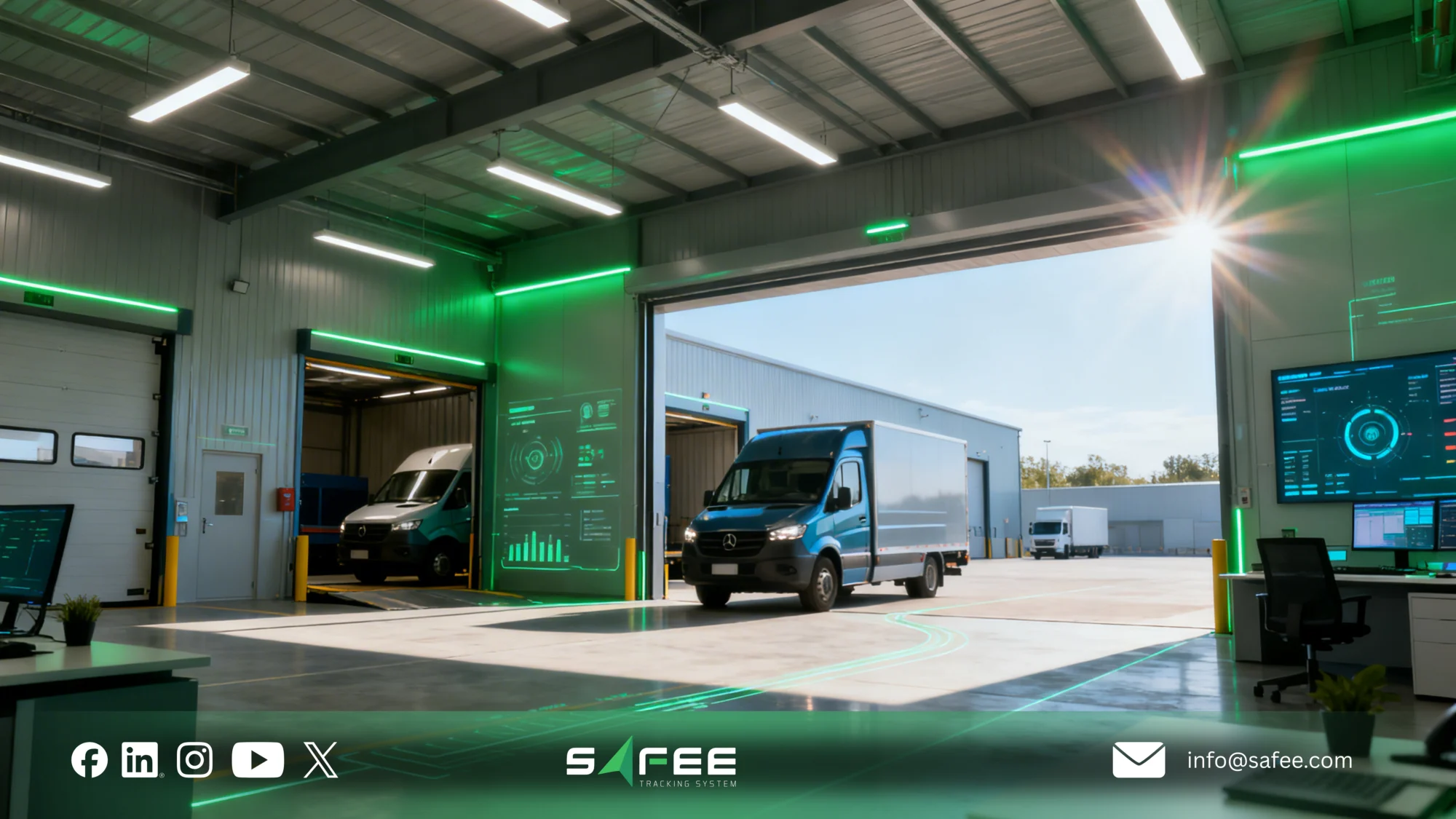
Traditional tracking usually tells you where a vehicle is. Fleet management IoT helps you understand what is happening across the operation, what needs attention now, and where performance is slipping over time.
That is the real shift behind IoT fleet management. It turns fleet data from a passive tracking view into an active management tool that supports faster decisions under daily cost and service pressure.
In practice, traditional tracking is often limited to location visibility and delayed follow-up. By contrast, IoT in fleet management adds connected signals, operational events, and exception-based monitoring that give teams more context and earlier warning. This allows dispatchers and fleet managers to act sooner, improve control, and manage the fleet with better speed, consistency, and accountability.
If you want problems surfaced early during the shift, request a Safee demo now.
How does IoT in fleet management work technically?
In practice, IoT in fleet management works by turning vehicle activity into live operational data that helps you respond faster and manage the fleet with greater control.
- Connected devices collect data from vehicles, including location, status, and operational events.
- That data is transmitted to a central platform where it is organized and processed in real time.
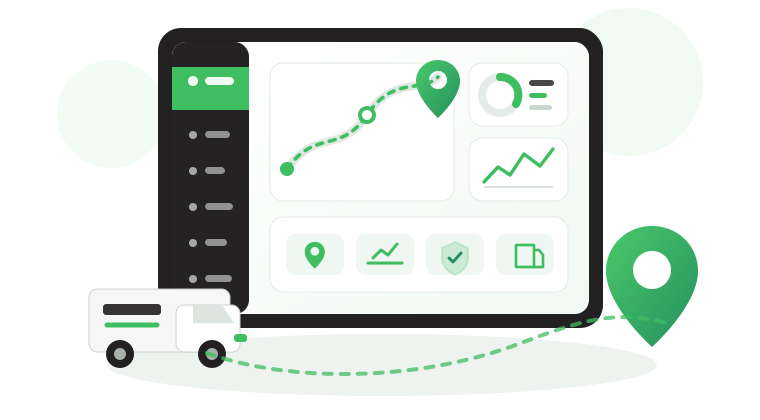
- The platform turns incoming data into usable operational views such as monitoring screens, alerts, dashboards, and reports.
- Your team can then act on exceptions earlier instead of waiting for delayed reports or manual follow-up.
This is what makes fleet management IoT valuable in practice. It helps you move from passive tracking to faster action, better visibility, and more consistent operational control. Safee supports this through real-time monitoring, intelligent alerts, reporting, and remote management features that make daily fleet oversight easier at scale.
If you want reporting that stays fast at scale, request a Safee walkthrough now.
Key business benefits of fleet management IoT
The real value of fleet management IoT is not connectivity on its own, but the business results it helps you improve every day.
For modern fleets, IoT in fleet management creates measurable gains by reducing uncertainty, improving visibility, and helping teams respond faster across daily operations.
- Improve operational response through real-time monitoring and earlier visibility into exceptions.
- Reduce downtime by identifying issues sooner and improving control over day-to-day fleet activity.
- Cut idle time and fuel waste through stronger visibility and more enforceable operating policies.
- Increase productivity by improving vehicle utilization and reducing manual follow-up across the fleet.
- Strengthen accountability through clearer trip history, dashboards, and performance reporting.
When these benefits are managed together, IoT for fleets becomes a practical way to improve cost control, service consistency, and operational performance at scale. If you want reporting and visibility your leadership team can rely on, Safee can support that with real-time monitoring, dashboards, and structured reporting.
If you want proof and performance reporting leadership trusts, request a Safee walkthrough now.
Practical use cases of IoT for fleets across industries
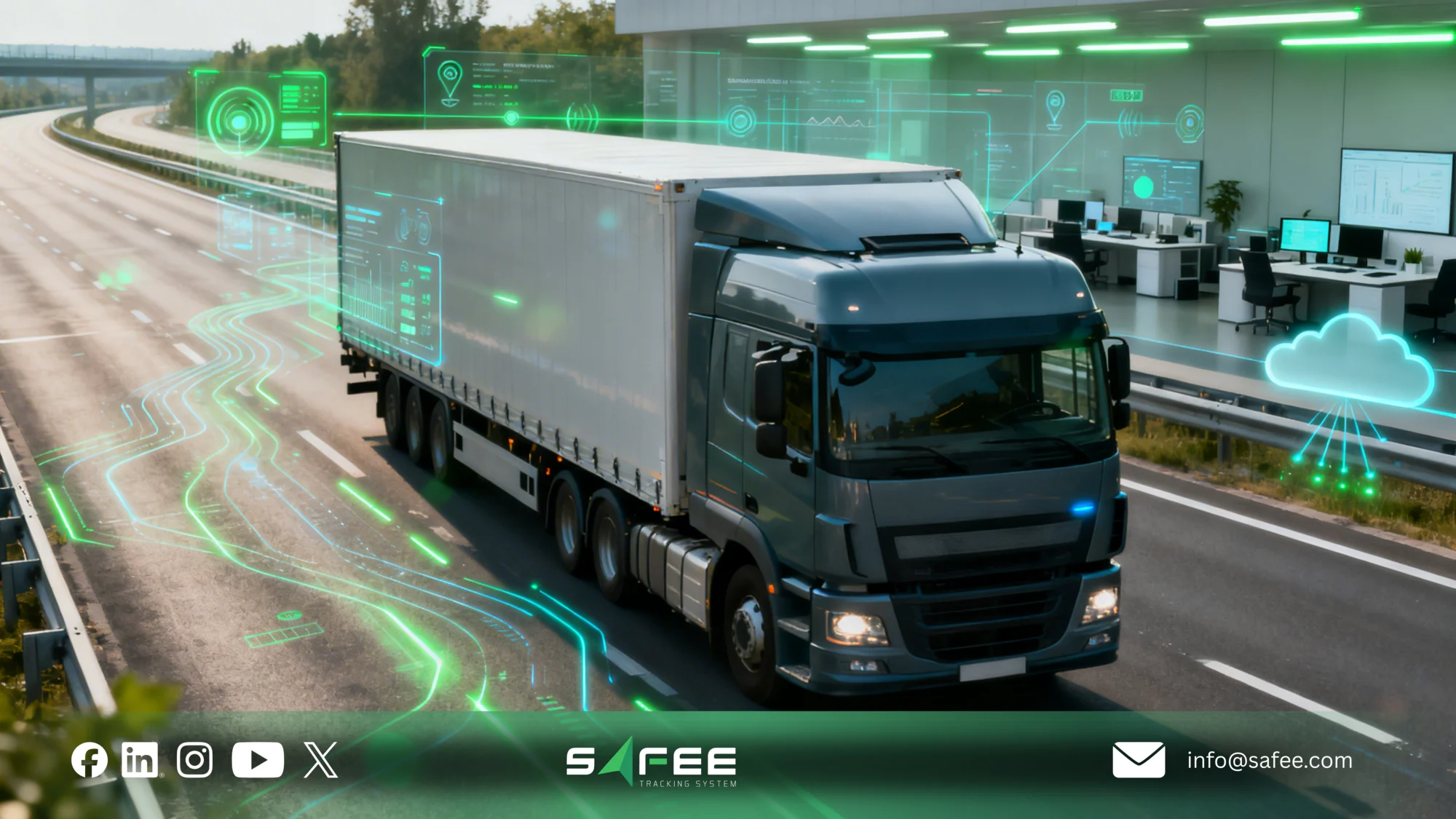
IoT for fleets creates real value when it supports the way your operation runs every day, not when it is treated as a standalone technology idea. The practical benefit of IoT fleet management is that it helps you apply live visibility, faster response, and better reporting to the workflows that matter most in each industry.
- Logistics and distribution: improve real-time visibility across routes and hubs, respond faster to exceptions, and strengthen performance reporting across the delivery network.
- Field services: support faster dispatch decisions through live vehicle status and improve accountability with clear activity history and route records.
- Construction and mixed fleets: maintain better visibility across vehicles and assets at different sites while improving filtering, control, and operational accountability.
- Public sector operations: support transparency, standardized reporting, and stronger day-to-day accountability across fleet activity.
This is where fleet management IoT becomes practical for business use. It helps each operation apply connected data in a way that improves control, reporting, and service performance based on real operational needs. If you need auditable reporting and stronger visibility across your fleet, Safee can support that with real-time monitoring, dashboards, and structured reporting.
Read also: the smart control for dispatch management system
Safety, risk, and compliance in IoT fleet management
In IoT fleet management, safety, risk, and compliance all improve when you can detect problems early and respond before they turn into costly incidents.
For fleet operators, the real value is not just seeing vehicle activity, but using connected data to identify risky patterns, review abnormal events, and maintain clearer control over daily operations. This helps reduce unsafe driving exposure, improve accountability, and strengthen compliance across the fleet.
That is where a structured platform makes the difference. Our essential fleet management modules support this with real-time monitoring, alerts, dashboards, and reporting that help you surface operational exceptions earlier, review history more clearly, and maintain stronger oversight across vehicles and drivers.
When combined with consistent internal governance and follow-up, this gives you a more practical way to reduce operational risk and support safer, more compliant fleet performance.
If you want a secure IoT fleet management approach, request a Safee demo now.
Cold Chain, Environment, and Sustainability with IoT for Fleets
For cold chain operations, location data alone is not enough. You also need continuous visibility into environmental conditions, fast alerts when readings move outside acceptable limits, and reporting that helps you protect product quality, prove compliance, and reduce the cost of avoidable losses.
This is where IoT for fleets becomes operationally important. It helps you monitor temperature-sensitive movements with more control, stronger traceability, and faster response when something goes wrong.
The same logic applies to efficiency and sustainability across the wider fleet. IoT in fleet management helps you identify idling, detours, underused vehicles, and other avoidable inefficiencies that increase both cost and emissions. When these issues are visible and measurable, your team can act on them through better routing, stronger utilization, and more consistent operating policies. Safee supports this with real-time visibility, alerts, and reporting that help you manage cold chain conditions more confidently while also improving day-to-day fleet efficiency through better data and faster operational control.
Essential IoT Tips Every Fleet Manager
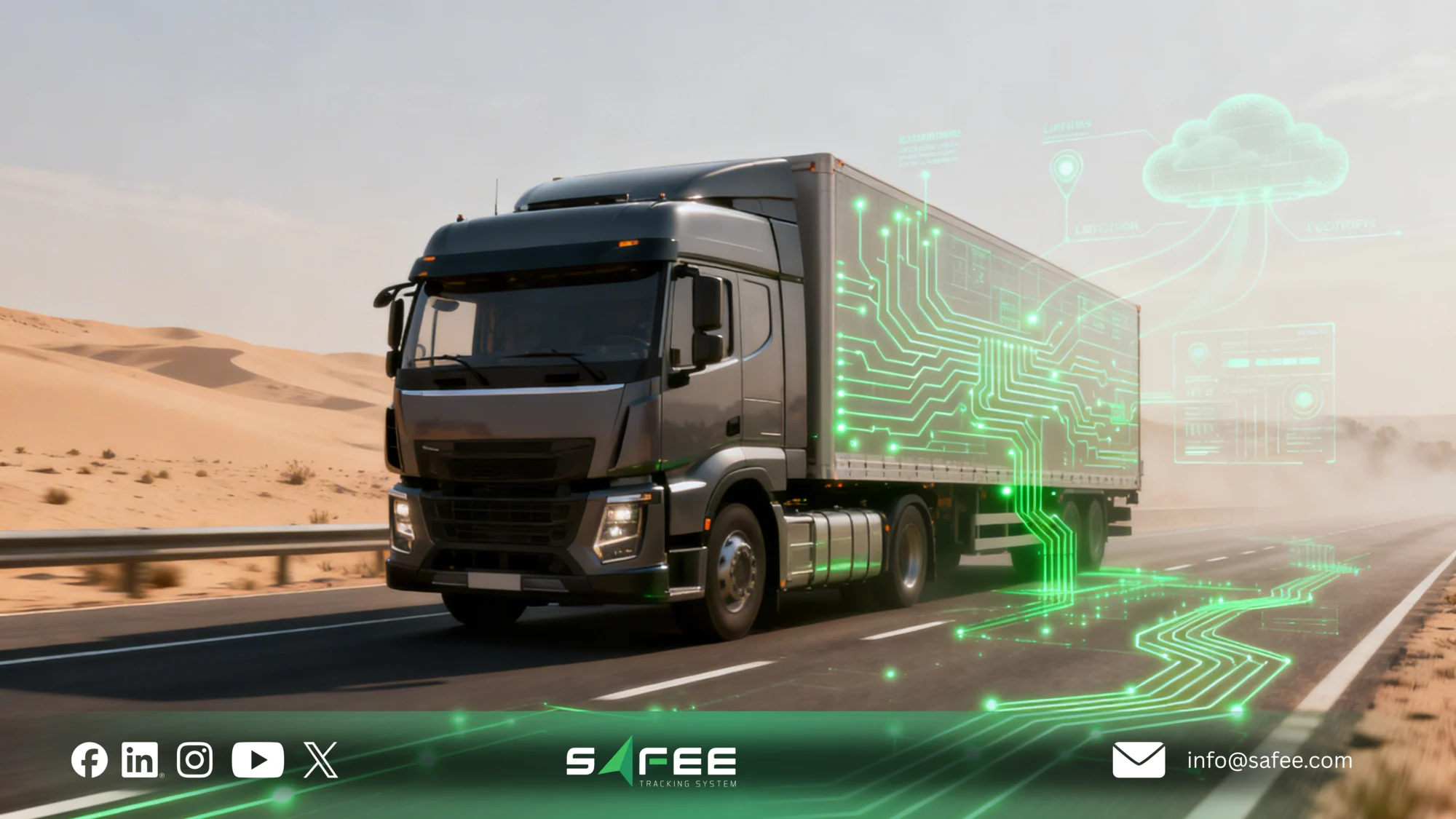
Getting real value from IoT fleet management depends on how well you apply it in daily operations, not on the technology alone. For most fleets, the difference between useful data and wasted data comes down to focus, consistency, and faster action. A strong fleet management IoT approach should help you control performance, respond to exceptions earlier, and improve operational discipline across the business.
- Start with clear KPIs such as idle time, downtime, utilization, and safety exceptions so your team knows what to track and improve.
- Use filtering and segmentation to focus on priority vehicles, zones, routes, or assets instead of treating the fleet as one group.
- Manage by exception through alerts so your team can act on issues early instead of manually scanning every vehicle.
- Review reports every week to identify repeated inefficiencies and fix root causes before they become normal operating behavior.
- Standardize processes across sites and teams so IoT in fleet management delivers consistent control, not fragmented usage.
Safee supports this approach with real-time visibility, alerts, filtering, dashboards, and reporting tools that help you turn connected fleet data into consistent operational action.
If you want consistent IoT fleet management adoption, request a Safee walkthrough now.
Read also: the importance of fleet management sensors
How to Choose the Right IoT Fleet Management Solution
Choosing the right IoT fleet management solution starts with how your operation actually runs each day. The fleet management platform needs to stay fast, reliable, and usable under real fleet pressure, not just look strong in a feature list.
- Check real-time monitoring performance at your fleet size to make sure the platform remains responsive during daily operations.
- Look for strong filtering and operational views so your team can focus on priority vehicles, routes, zones, and exceptions without unnecessary noise.
- Review alerts and exception workflows carefully to ensure your team can act early without being overwhelmed by alert fatigue.
- Assess dashboards and reporting against your actual KPIs so managers and leadership can track performance, compliance, and operational trends clearly.
- Confirm scalability and integration readiness so the solution can support future growth, wider workflows, and expanding fleet requirements.
Safee as an IoT Fleet Management Platform
Safee is designed to make IoT fleet management practical for daily operations, not just technically advanced on paper. It supports real-time monitoring, alarms, dashboards, and reporting through a platform architecture built for connected fleet data, configurable message handling, and scalable processing.
This gives operations teams the visibility and control they need to manage vehicles, detect exceptions earlier, and keep reporting usable as fleet activity grows.
In practice, Safee helps turn IoT in fleet management into measurable operational improvement. With stronger real-time visibility and structured reporting, you can reduce idling, improve productivity, and minimize downtime across the fleet.
That is what makes fleet management IoT valuable in real business use: it supports faster decisions, clearer oversight, and more consistent day-to-day control. If you want to see how this can apply to your own operation, request a Safee demo.
Ready to improve your fleet operations?
Tell us what you would like to improve. A Safee specialist will reply by email.
Usually replies within one business day • No sales spam
Your details are used only to respond to your request. Privacy Policy