


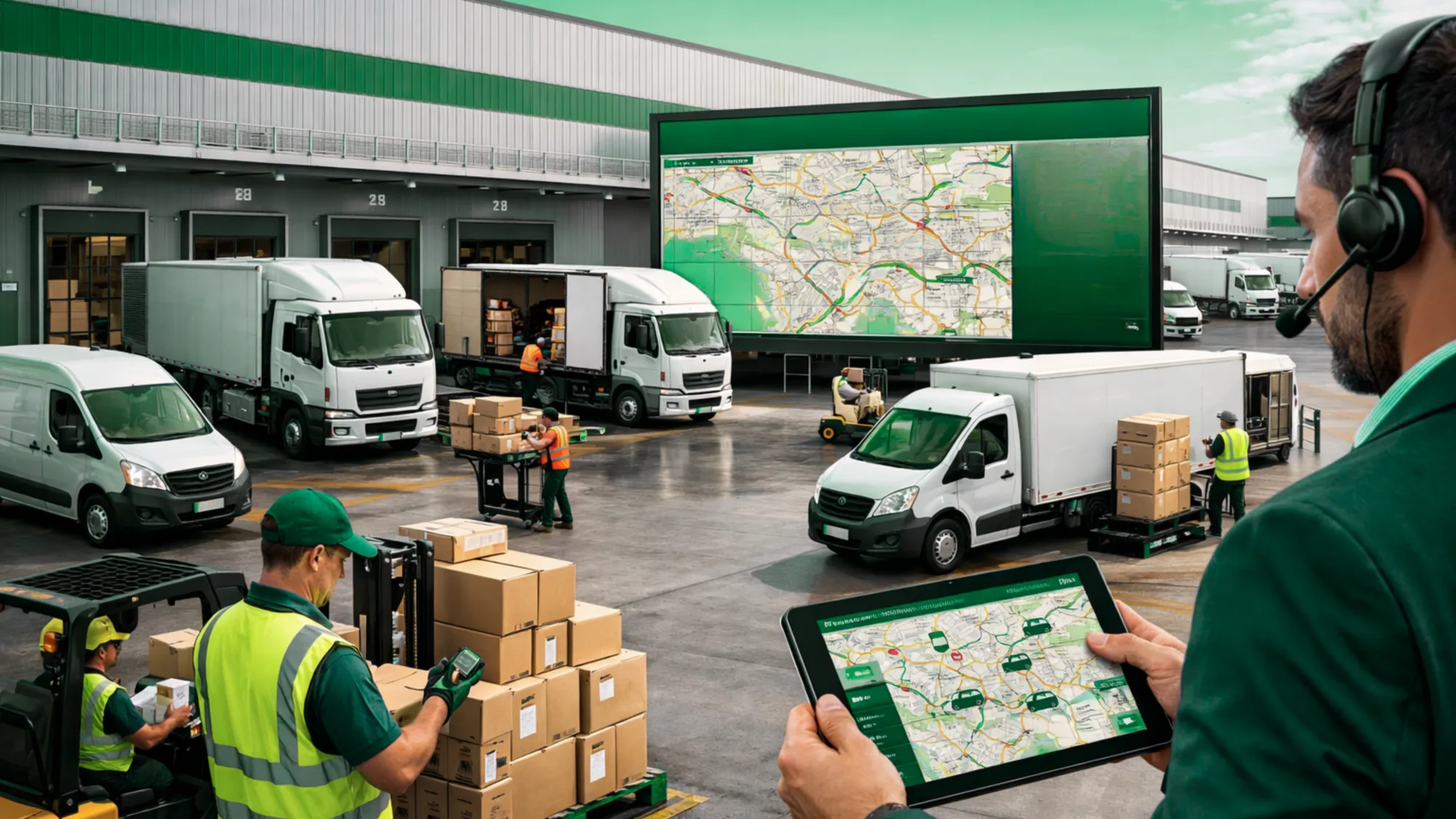
Last-mile delivery is where customer experience is often decided—because it’s the part of the journey customers actually feel: late arrivals, poor updates, failed attempts, and inconsistent ETAs. A modern last-mile delivery system helps move operations from manual firefighting to controlled execution using delivery tracking, live visibility, alerts, and performance reporting.
In 2026, last-mile logistics is not only about speed; it’s about accuracy, proof, and control across your last-mile delivery fleet, dispatch decisions, and customer expectations. This guide explains the meaning of a last-mile delivery system, why it matters, how it flows from hub to doorstep, the biggest challenges, the core features you should require, and how Safee supports delivery operations at scale.
Last Mile Delivery System Meaning
A last-mile delivery system is the operational platform that plans, tracks, and controls deliveries from the final hub to the customer’s doorstep—while capturing proof, status updates, exceptions, and performance metrics. It’s not just a map; it’s the workflow that connects your last-mile logistics plan to what actually happens on the road and at the door.
Last-mile delivery becomes more scalable when your last-mile delivery fleet is managed through real-time visibility and exception handling—not endless calls to drivers and daily spreadsheet updates. With a strong system, teams can see delivery activity live, filter views to focus on what matters now, and audit what happened later using history, dashboards, and reports.
Read also: Why modern fleets need a new transformation?
Why Does Last-Mile Delivery Tracking System Matter?
Last-mile delivery tracking matters because the last mile is where variability spikes: traffic, customer availability, access issues, route detours, and tight service windows. Use the points below to evaluate your need for delivery tracking and a complete last-mile delivery system.
- Reduce failed deliveries: Tracking can improve pre-arrival visibility (status, notes, and exceptions) before the driver reaches the door.
- Protect ETAs: It helps surface delays earlier rather than discovering them at the end of the day.
- Improve last-mile delivery fleet utilization: It reveals idle time, repeated stops, and inefficient routing patterns.
- Strengthen customer service: Support teams can answer “Where is my order?” with more confidence using real-time status.
- Increase accountability: You can review route history, stop time, and exception events after each shift.
If you want proof that can help settle delivery disputes faster, request a Safee walkthrough.
How do Last Mile Logistics Work from Hub to Customer Doorstep?
Last-mile logistics start at the hub, where routes are planned and tasks are assigned to the last-mile delivery fleet. Execution then moves to the road, where each stop adds time pressure and service risk. A strong system helps maintain operational control by connecting planning to live monitoring—so supervisors can see what’s happening and respond when exceptions appear.
Last-mile operations become more manageable when you run a consistent control loop: monitor live, filter by priority, act on alerts, and review performance through reporting. Platforms like Safee support real-time monitoring views, the ability to focus on subsets of vehicles using filters, and historical analysis tools that help teams review route history and operational behavior across a day, a week, or longer.
Read also: Why is telematics important?
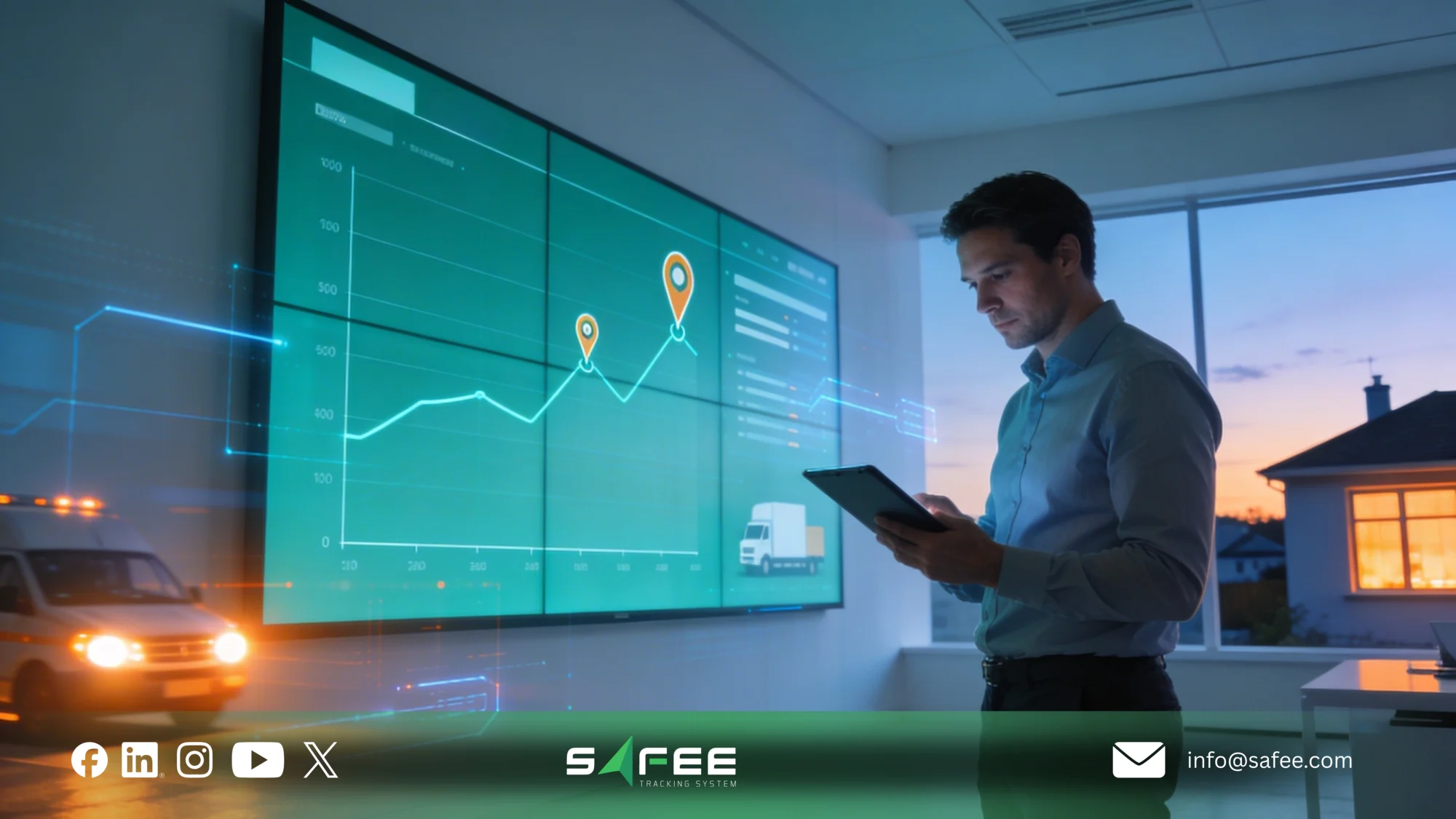
Top Challenges in Last-Mile Delivery
Last-mile delivery challenges tend to repeat daily—which is exactly why you need a system designed for operational control, not visibility alone.
- Unpredictable stop times: Customer-site delays break route timing and cascade into late deliveries.
- Poor real-time updates: Information gaps force dispatchers to call drivers and customers to confirm status.
- Last-minute route changes: Traffic, access restrictions, or customer requests create changes that basic tools often struggle to reflect in time-sensitive decisions.
- Rising cost drivers: Idle time and detours go unmanaged across the last-mile delivery fleet.
- Late exception discovery: Service quality declines when exceptions are detected too late due to limited alerting and weak exception workflows.
If you want exceptions flagged earlier through configurable alerts, request a Safee walkthrough.
Core Features of an Effective Last Mile Delivery System
A last-mile delivery system is effective when it supports both live operations and post-shift improvement. It should provide real-time visibility, operational filtering, exception alerts, and reporting that supports daily decisions—not only monthly summaries.
These capabilities become most useful when they are unified in one platform: map-based monitoring for live control, history and timeline tools for proof and analysis, dashboards for leadership visibility, and reports that support continuous improvement. Safee is built as a fleet operations platform with monitoring, filtering, alerts, dashboards, and reporting—supporting last-mile delivery tracking and logistics oversight.
Core features in your last-mile delivery platform:
- Live monitoring with configurable refresh intervals for operational screens
- Fleet filtering so managers can view vehicles by status, geography, last update, and priority segments—rather than a noisy full-map view
- Route history and timelines that show what happened, when it happened, and where exceptions occurred—supporting faster dispute handling
- Exception alerts that turn delays, offline vehicles, and abnormal behavior into actionable items
- Dashboards and reports that translate last-mile logistics into KPIs such as utilization, idle behavior, speed discipline, and operational cost patterns
If you want reporting that supports day-to-day decisions—not just documents—request a Safee demo.
Read also: The most effective practices for your operations
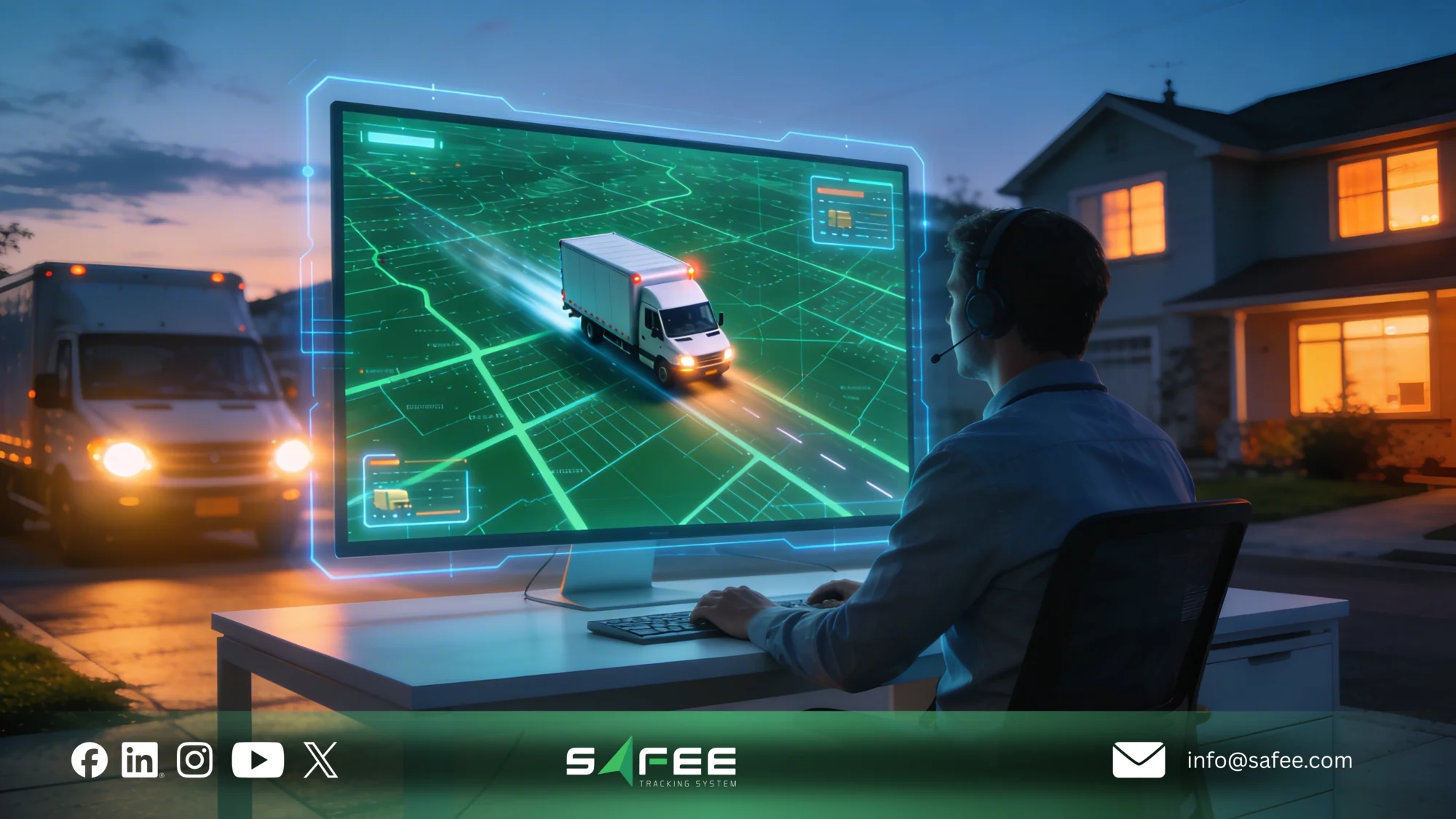
Choosing the Right Last-Mile Delivery System for Your Business
Last-mile delivery selection should start with your real workflow—not a feature list. If a platform can’t support the daily reality of multiple hubs, multiple regions, peak windows, and consistent exception handling, it may add work instead of reducing it.
Buying decisions should prioritize speed of use, operational clarity, and scalability for your delivery fleet. You want a system that remains responsive at your fleet size, supports multiple monitoring views, and offers strong filtering and reporting so dispatch and operations teams can act quickly under pressure.
Quick evaluation checklist
- Supports real-time monitoring with clear vehicle status visibility across the fleet
- Includes last-mile delivery tracking with search and operational filters—not only map points
- Includes exception alerts and notifications so issues surface early
- Includes history, dashboards, and reports for performance improvement
- Fits your growth plans and can integrate with other business systems when needed
Best Practices to Optimize Last Mile Logistics, Cost & Speed
Last-mile logistics improves fastest when you standardize operations around visibility, exception handling, and measurement. Apply these best practices using a last-mile delivery system your team can operate daily.
- Manage by exceptions: Act on alerts and priority views instead of reviewing every vehicle manually.
- Reduce idle time: Costs can drop when you monitor and reduce idle time across the last-mile delivery fleet, since idle time quietly consumes capacity and fuel.
- Segment operational views: Improve speed by grouping fleet views by zones, hubs, and priority routes using filters and saved views.
- Review performance regularly: Improve outcomes by reviewing route history and stop patterns weekly to remove repeated inefficiencies.
- Align support and operations: Increase value when customer support has shared visibility, so WISMO questions are answered faster using reliable status updates.
If you want customer service aligned with operations, request a Safee walkthrough now.
Safee: The Smart Way to Manage Your Last-Mile Delivery Operations
Last-mile delivery operations become easier to control when your platform combines live monitoring, operational filters, exception alerts, and reporting in one place. Safee is an IoT-enabled fleet platform that provides real-time visibility and practical tools—map-based monitoring, alerts, dashboards, and reports—to support day-to-day operational needs.
Last-mile performance improves when teams can move from a full-fleet view to a focused subset view, then to proof-level history, without switching tools. Safee supports monitoring screens, filtering, and historical analysis so your team can manage the last-mile delivery fleet in real time and review patterns later to reduce repeat issues.
Operations become more actionable when alerts and reporting are aligned to your KPIs. Safee helps teams improve downtime awareness and productivity tracking through monitoring and reporting, giving managers clearer visibility into what’s happening and where to focus improvements next.
Contact us today if you want KPI-driven last-mile delivery tracking,
FAQs about Last-mile Delivery
What is the last mile delivery system?
A last-mile delivery system is the operational platform that manages deliveries from the final hub to the customer. It uses delivery tracking, exception handling, and reporting to improve service control and cost visibility.
What is the last mile system?
It’s the set of processes and tools used to complete the final delivery step, including route execution, status updates, and proof of activity.
What does it mean if my package is at the last mile delivery station?
It’s the set of processes and tools used to complete the final delivery step, including route execution, status updates, and proof of activity.
What is the main problem with last mile logistics?
The main challenge is variability—unpredictable stop time, traffic, access issues, and customer availability—which can drive delays and higher costs without strong tracking and exception control.
What is the difference between first mile and last mile delivery?
First mile is moving goods from origin to the first hub. Last-mile delivery is moving goods from the final hub to the customer’s doorstep, typically with more complexity and higher service pressure.