
How a Telematics Fleet Management System Improves Control
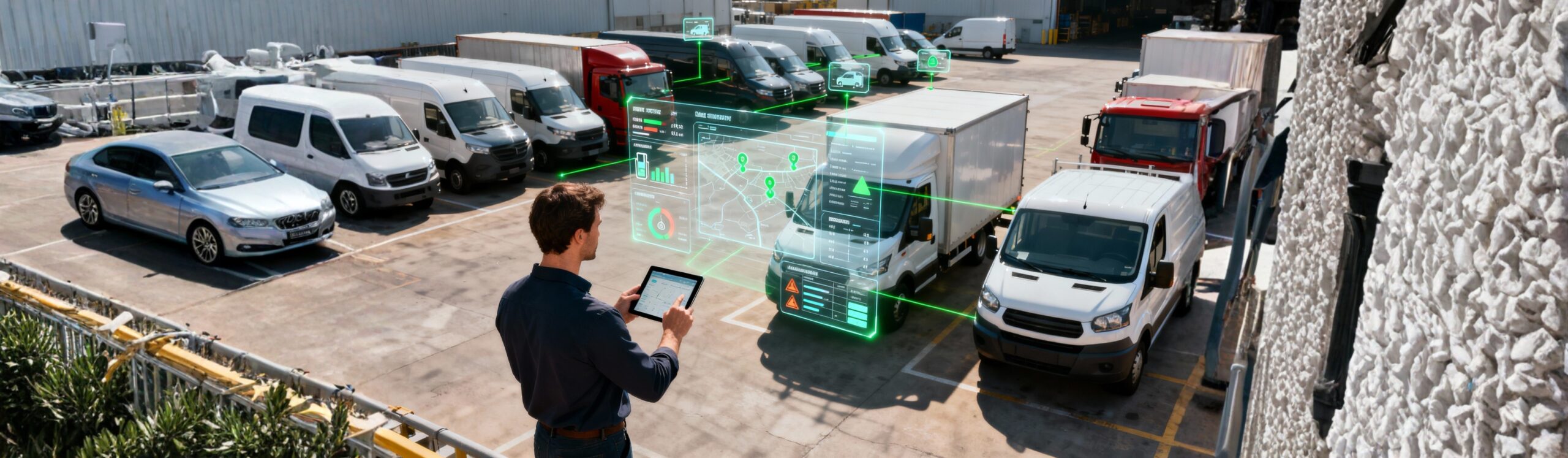
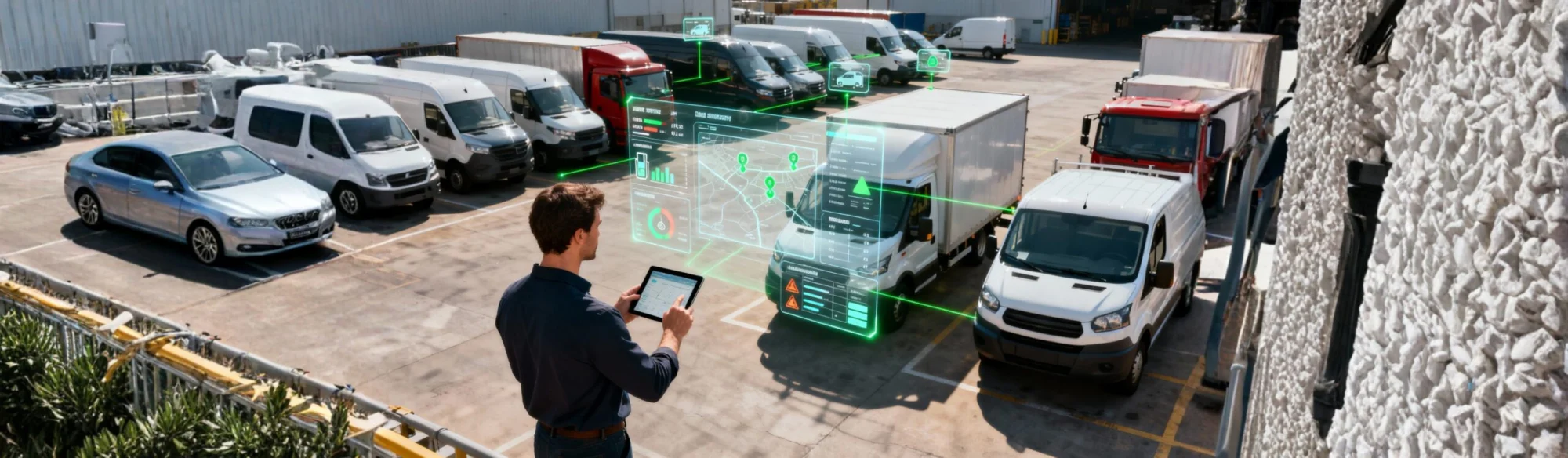
Modern fleet management across the GCC and MENA region faces relentless pressure from rising fuel costs, stringent safety mandates, and the demand for measurable operational efficiency. The answer lies in deploying a comprehensive telematics fleet management system — the technology that gives fleet owners complete, real-time visibility and actionable data across every vehicle, driver, and route.
Whether you manage a logistics operation in Saudi Arabia, a construction fleet in the UAE, or a distribution network spanning multiple Gulf states, telematics vehicle tracking transforms your operations from reactive guesswork to predictive, data-driven management within a modern fleet management system.
With Safee’s Live Vehicle Tracking and the Fleet Monitoring & Insights module, managers gain earlier visibility into route performance, vehicle status, and operational trends.
In this guide, we explore how Safee’s advanced telematics platform helps fleets across Saudi Arabia, the UAE, and the wider GCC improve control, reduce waste, strengthen compliance, and operate with more confidence.
What is vehicle telematics?
A simple vehicle telematics definition is the fusion of telecommunications and informatics, using GPS, onboard diagnostics (OBD-II), CAN bus data, and wireless communication to collect, transmit, and analyze critical vehicle data in real time. This vehicle telematics service system captures the metrics fleet managers rely on, including precise vehicle location, speed profiles, engine performance indicators, fuel consumption patterns, and detailed driver behavior analytics.
For executives managing commercial vehicle telematics across transport, logistics, oil and gas, or construction operations, telematics delivers far more than passive tracking. It serves as a centralized operational intelligence center. Instead of reacting to problems after they occur, you gain clear, actionable data that enables proactive decision-making.
Safee’s advanced vehicle telematics system is specifically engineered to provide managers with detailed visibility across every trip, driver, and asset through a single, intuitive dashboard — the Monitoring module — with multi-language support, including full Arabic localization.
How does a telematics fleet management system connect vehicles and data?
The process transforms raw vehicle data into actionable operational intelligence in four connected steps:
1. Data capture at the vehicle level
Your fleet is equipped with vehicle telematics devices that capture critical metrics in real time, including speed, engine performance, fuel usage, and driver activity. These devices connect through OBD-II, CAN bus, or dedicated onboard hardware, depending on the vehicle type and fleet requirements.
2. Secure data transmission
Using 4G, 5G, or satellite connectivity where needed, this continuous stream of vehicle data is transmitted securely to the Safee telematics fleet management system for processing and analysis.
3. Processing through Safee’s IoT architecture
Once received, the data moves through Safee’s three-component IoT architecture: Messaging, Message Route, and Data Warehouse. This structure allows the platform to organize, process, and store telematics data efficiently, turning raw inputs into clear operational insights.
4. Real-time visibility and decision support
Fleet managers then access this information through Safee’s interactive dashboard, where they can monitor vehicle status, review KPIs, detect inefficiencies, identify unsafe driving patterns, and make faster management decisions from any device.
This telematics vehicle tracking system creates a continuous flow of information between vehicles and operations, helping fleets improve uptime, reduce risk, and operate with better control.
Why does telematics vehicle tracking matter for modern fleet management?
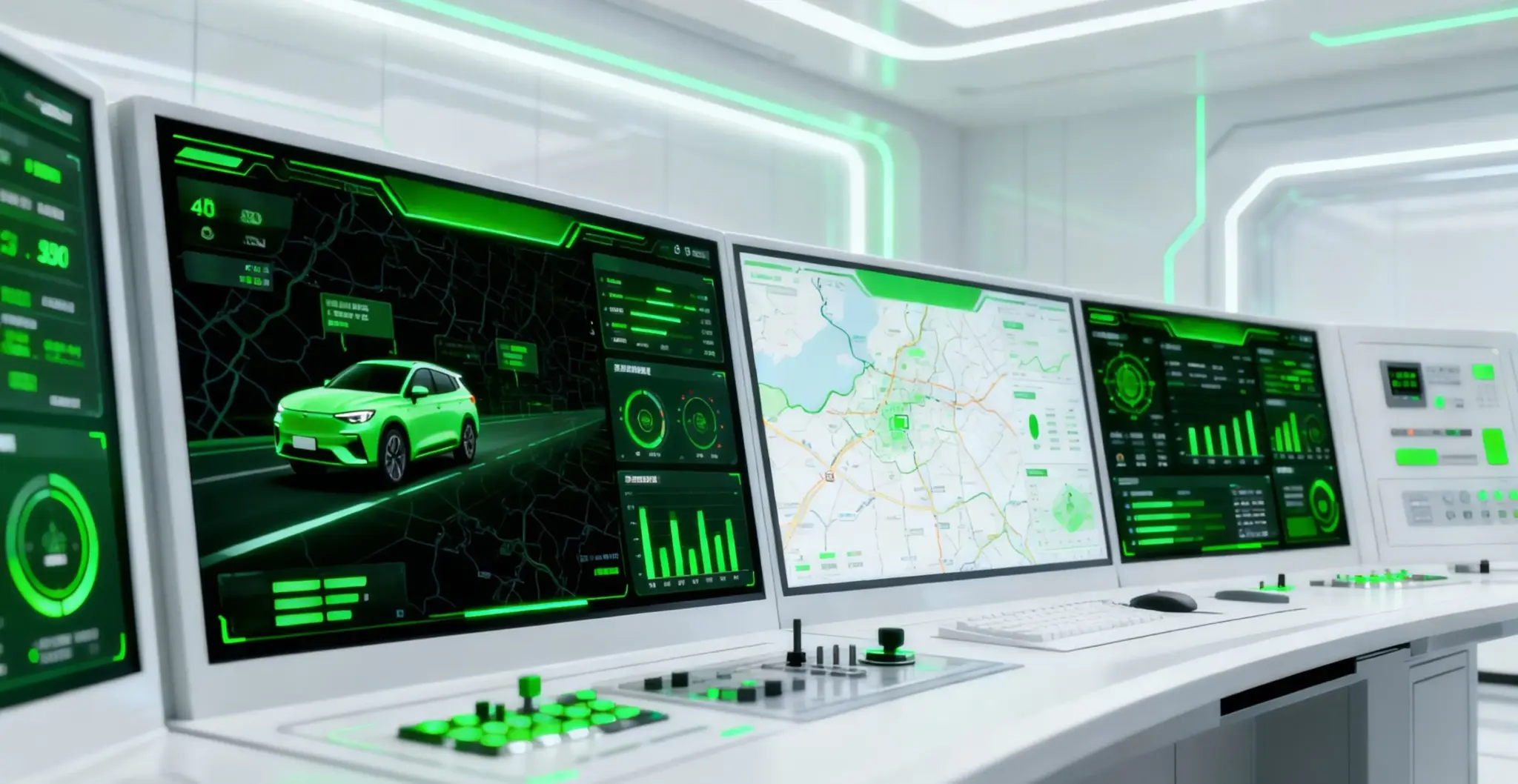
Telematics vehicle tracking is no longer just an operational upgrade. For businesses that want tighter control, lower costs, and stronger safety performance, it has become a core part of modern fleet management. The real value of telematics for fleet management lies in turning everyday vehicle activity into measurable, actionable insight across your entire operation.
Here is the operational impact:
- Complete Operational Control: Gain real-time visibility into vehicle location, route adherence, trip status, and asset utilisation, so managers can make faster and more informed decisions across the fleet.
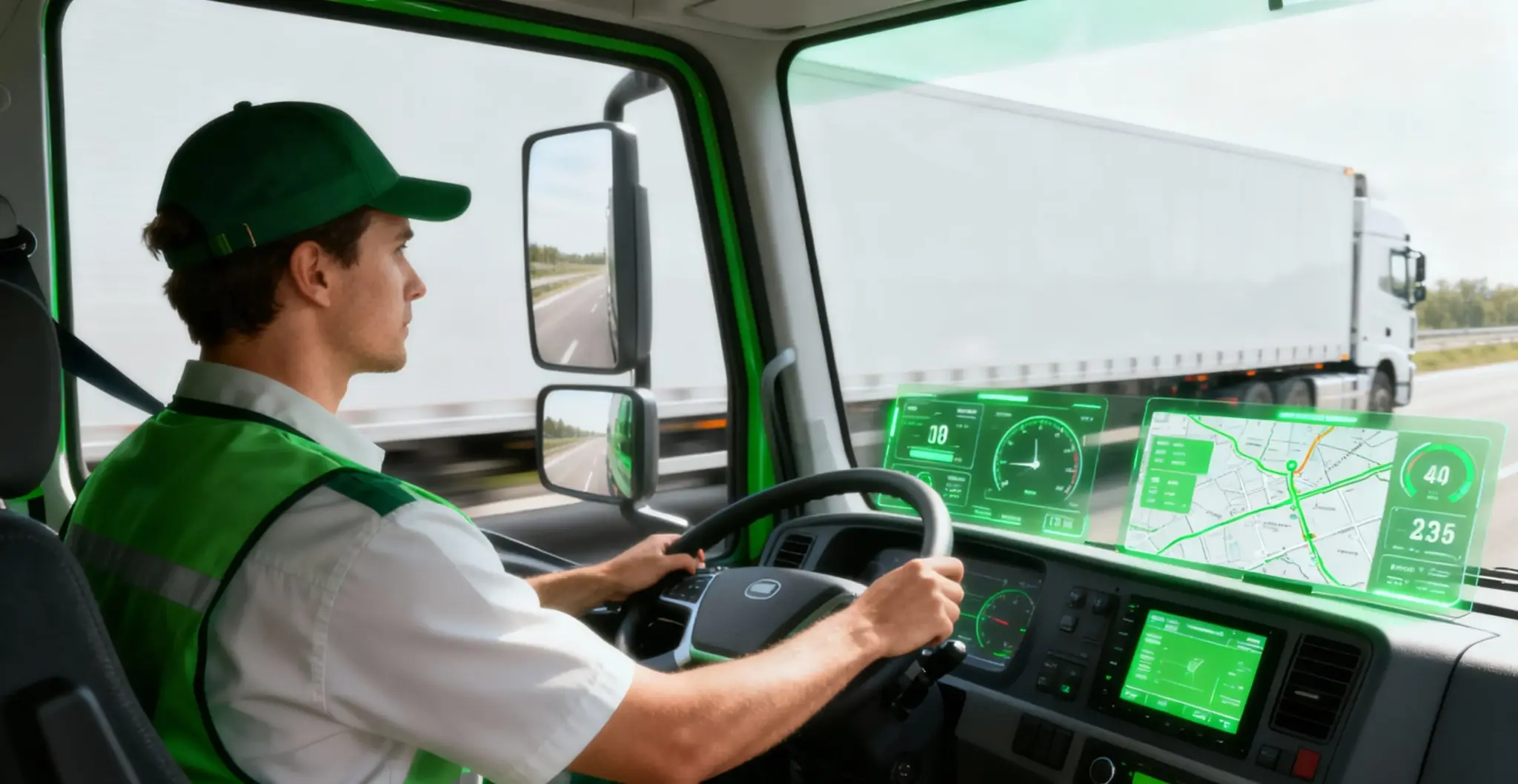
- Lower Risk and Liability: Monitor speeding, harsh braking, idling, and other unsafe driving patterns before they lead to incidents. This is where telematics and fleet management work together to improve accountability and reduce avoidable risk with support from the Driver Management module.
- Fuel Efficiency and Cost Savings: One of the clearest benefits of telematics and fuel management is the ability to identify fuel waste, detect inefficient driving behaviour, and optimise route performance. For fleets where fuel is a major operating cost, this creates measurable savings over time through Fuel Tracking & Control.
- Higher Uptime and Reliability: With real-time engine data, diagnostics, and maintenance alerts, fleets can move from reactive repairs to preventive planning. This helps reduce unexpected downtime and improve asset availability.
- Stronger Compliance Across the GCC: For operators in Saudi Arabia, the UAE, and the wider Gulf region, telematics also supports regional compliance requirements. A WASL compliant fleet tracking approach and an IVMS telematics system help fleets operate with better reporting, stronger safety oversight, and fewer regulatory disruptions, while the Alarms and Alerts system keeps managers proactive.
With Safee’s integrated telematics vehicle tracking system, fleet managers gain better visibility across every kilometre, driver, and vehicle. That is what makes telematics for fleets such a practical advantage for companies focused on safer operations, lower costs, and more consistent performance across the GCC.
Telematics for fleet management in the UAE, Saudi Arabia & GCC
Fleet operations across the UAE, Saudi Arabia, and the wider GCC face unique challenges that demand region-specific telematics solutions. From extreme temperatures affecting vehicle performance to strict government transportation regulations, a generic telematics platform simply cannot meet the compliance and operational requirements of MENA-based fleets. Saudi Arabia’s Vision 2030 is accelerating digital transformation across logistics and transport, driving rapid adoption of enterprise telematics systems. In the UAE, mandatory vehicle tracking requirements for commercial and government fleets continue to expand.
For businesses comparing enterprise telematics systems in UAE or evaluating an integrated telematics platform in UAE, Safee offers a practical, locally supported approach built for commercial fleet operations. The same applies to operators reviewing fleet telematics UAE deployments, broader fleet telematics GCC rollouts, or telematics fleet management Saudi Arabia requirements across logistics, construction, oil and gas, and distribution sectors.
Safee’s telematics fleet management system is purpose-built for this landscape, offering certified WASL integration for Saudi fleets and full IVMS compliance for UAE operations. The platform supports seamless Madinati integration, enabling fleet operators to meet municipal transport authority requirements without additional configuration. With local deployment support across the Gulf states, Safee delivers the regional expertise that many international providers lack.
Also read: GPS Tracking System for Vehicles in the UAE (Complete Guide)
Different types of vehicle telematics systems
Not every vehicle telematics service system is built for the same operational priorities. The right choice depends on your fleet size, compliance requirements, asset mix, and the level of control your business needs. To choose the most effective telematics system, it helps to understand the main categories:
- Basic GPS Tracking: Best for fleets that need foundational location visibility, route history, and simple trip monitoring. This is often the starting point for businesses taking their first step into fleet telematics.
- Advanced Telematics Systems: Designed for operators who need more than location data. These systems combine diagnostics, driver behaviour analysis, maintenance alerts, and deeper reporting to support stronger telematics and fleet management decisions.
- Commercial Vehicle Telematics: Built for fleets where compliance, safety, and operational accountability are critical. This type of commercial vehicle telematics solution supports logistics workflows, heavy vehicle monitoring, and regulatory reporting.
- Asset and Equipment Tracking: Extends visibility beyond powered vehicles to include trailers, containers, generators, and other high-value assets. This is especially relevant for construction, logistics, and industrial fleets.
- IoT-Based Connected Platforms: A more advanced telematics platform that combines sensors, connectivity, and analytics to support predictive maintenance, utilization tracking, and better long-term planning.
Whatever your fleet structure, Safee’s telematics fleet management system is designed to support these operational models through one connected platform, making it suitable for both growing SMEs and large enterprise fleets across the GCC.
Benefits of telematics fleet management system
A strong telematics fleet management system delivers value where it matters most: cost control, safety, uptime, and operational visibility. The benefits of telematics for fleet management are not limited to tracking vehicles on a map — they improve how the entire fleet performs day to day.
- Better Operational Efficiency: Automated reporting, route visibility, and utilization insights help managers reduce idle time and improve how vehicles and assets are used across the fleet.
- Lower Safety and Liability Risk: By monitoring speeding, harsh braking, unauthorized use, and other unsafe events, fleets can reduce incidents and improve driver accountability.
- Less Downtime: Diagnostics, alerts, and maintenance visibility help operators move from reactive repairs to more proactive maintenance planning.
- Fuel Cost Control: One of the clearest gains from telematics and fuel management is the ability to detect inefficient driving patterns, excessive idling, and wasteful routes that increase operating costs.
- Stronger Compliance and Audit Readiness: Digital trip records, driver activity logs, and regulatory reporting make it easier for fleets to stay aligned with safety and transport requirements.
- More Predictable Cost Reduction: For many businesses, fleet management telematics leads to lower annual operating costs by improving vehicle use, reducing breakdowns, and controlling fuel waste.
- Improved Customer Trust and Service Reliability: Better visibility supports more accurate ETAs, stronger service consistency, and more reliable communication with customers and stakeholders.
For fleets operating across Saudi Arabia, the UAE, and the wider GCC, these advantages make telematics for fleets an essential part of any modern fleet management system. Safee supports these outcomes through connected dashboards, analytics, multilingual access, and region-ready compliance workflows built for commercial operations.
How does telematics drive fuel management and cost savings?
Fuel is the single largest operating expense for commercial fleets, and telematics and fuel management go hand in hand. Advanced telematics platforms like Safee offer dedicated Fuel Tracking & Control capabilities that go beyond basic consumption estimates. The system supports both analog and digital fuel sensors, providing precise fill/theft detection with real-time alerts when abnormal fuel events occur.
The Fuel Tracking Dashboard in Safee gives managers a visual overview of consumption trends across the entire fleet, while the detailed Fuel Consumption Report and Fuel Fill/Theft Report provide the data needed to identify waste patterns, detect theft, and optimize refueling schedules.
By correlating fuel data with driver behavior metrics such as harsh acceleration, excessive idling, and speeding, fleet managers can implement targeted eco-driving programs that deliver measurable savings of 10–20% on annual fuel expenditure.
If reducing fuel waste and improving operational visibility are priorities for your business, request a demo to see how Safee’s telematics platform supports GCC fleet operations.
Also read: Real-Time GPS Fleet Tracking: Benefits, Challenges & Best Practices
How to choose the right vehicle telematics system?
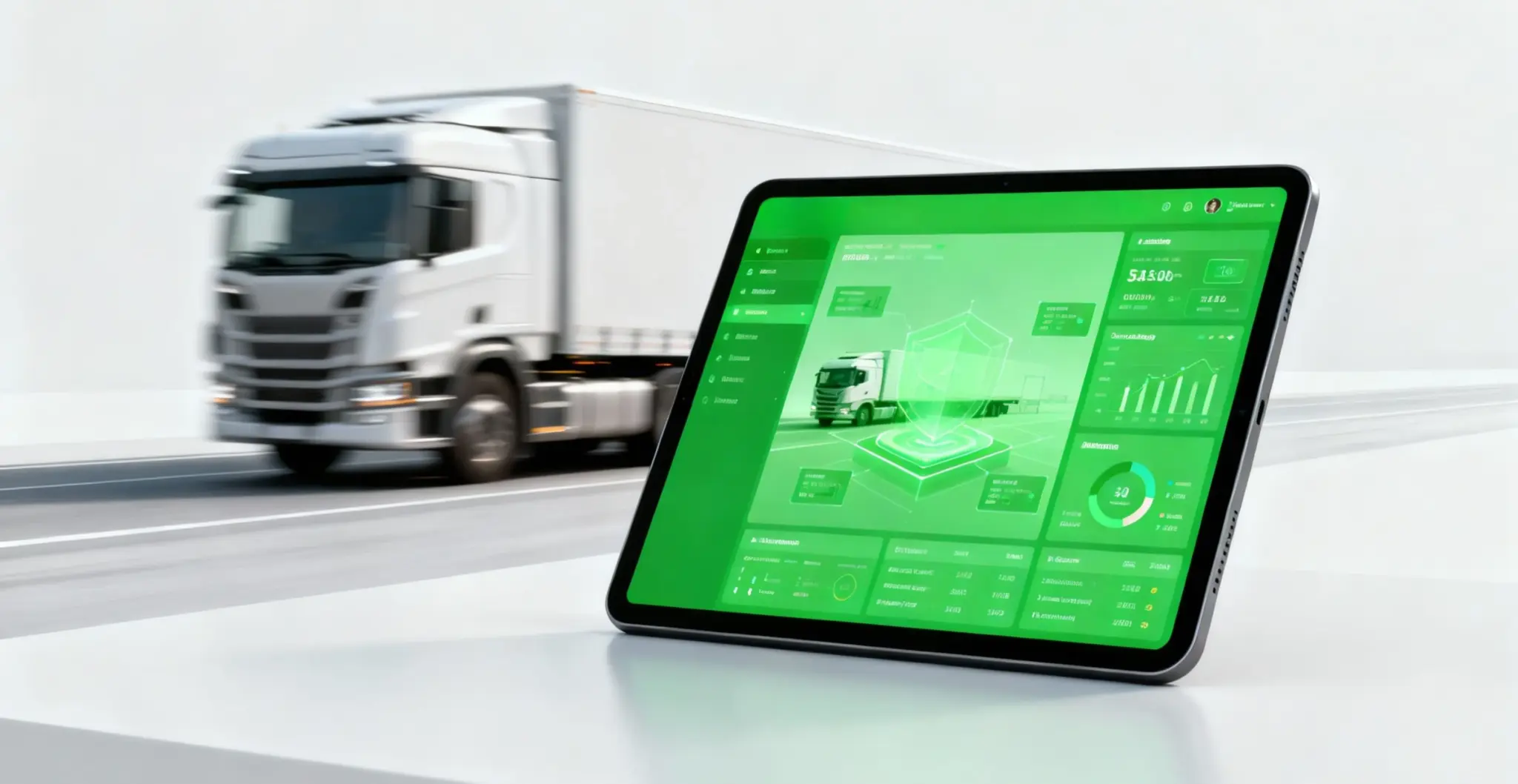
Choosing the right vehicle telematics system is a long-term operational decision, not just a software purchase. The right telematics platform should strengthen visibility, improve compliance, and support better cost control as your fleet grows. For businesses investing in commercial vehicle telematics, the selection process should focus on a few essential criteria:
- Scalability: Your system should support fleet growth without forcing a costly platform change later. A strong solution must remain effective whether you operate a small regional fleet or a larger multi-site operation.
- Data Accuracy and Timeliness: Reliable telematics depends on real-time, high-integrity data. Delayed or incomplete updates make it harder to respond to operational issues and reduce the value of the system.
- Integration with Existing Workflows: The best platforms connect smoothly with ERP systems, fuel tools, maintenance workflows, and reporting processes. A disconnected setup creates more operational friction, not less.
- Regional Compliance Readiness: For fleets operating across Saudi Arabia, the UAE, and the wider GCC, compliance cannot be treated as optional. A solution that supports WASL compliant fleet tracking and functions as an IVMS telematics system gives operators stronger readiness for local transport and safety requirements.
- Ease of Use and Adoption: Even the most advanced telematics system will underperform if teams do not use it consistently. Clear dashboards, intuitive workflows, and accessible reporting are essential for strong user adoption.
- Local Support and Implementation Expertise: When comparing fleet telematics providers, local knowledge matters. Providers that understand GCC operating conditions, compliance requirements, and deployment realities are better positioned to support long-term success.
Safee is built to meet these requirements through one connected telematics fleet management environment. It combines advanced analytics, regional compliance support, and practical usability in a way that helps fleets operate with more confidence across the GCC. For businesses evaluating a modern fleet management system for long-term performance, that combination makes the difference between basic visibility and true operational control.
Leveraging telematics data to optimize fleet size and performance
Beyond real-time monitoring, the true power of a telematics fleet management system lies in its data analytics capabilities. Safee’s reporting engine includes over 15 specialized report types, from Vehicle Trips Reports and Asset Utilization analysis to the RAG Report (color-coded driver evaluation) and Best Drivers ranking.
These analytics enable fleet managers to make data-driven decisions about fleet sizing, route efficiency, and resource allocation. The Fleet Reporting tools in Safee help teams compare vehicles, routes, drivers, and trip patterns through one connected reporting environment.
The Geofence Based Voyage Report tracks vehicle movements between defined geographic zones, providing insight into inter-city logistics patterns and border-crossing efficiency across GCC countries. In practice, telematics data helps optimize fleet size by revealing underutilized vehicles, peak demand periods, and operational bottlenecks, allowing operators to right-size their fleet and eliminate unnecessary costs.
With Safee’s Explore History feature, managers can replay any vehicle’s journey to audit routes, validate delivery times, and investigate incidents with complete precision.
Why does Safee stand out among vehicle telematics companies?
When evaluating vehicle telematics companies, fleet operators need more than basic tracking. They need a connected telematics platform that combines visibility, analytics, compliance support, and day-to-day usability in one system. That is where Safee stands out for businesses operating across Saudi Arabia, the UAE, and the wider GCC.
Here is what differentiates Safee:
- Unified Operational Visibility: Safee brings GPS tracking, diagnostics, fuel analytics, driver monitoring, reporting, and alerts into one connected telematics fleet management system, helping managers avoid fragmented workflows.
- Stronger Data-Driven Decision Making: Beyond visibility, the platform helps fleets identify risk patterns, monitor performance, and act earlier on issues that affect cost, uptime, and safety.
- Flexible Hardware and Integration Support: Safee supports a broad range of hardware and telematics devices, giving operators more flexibility as fleet requirements evolve over time.
- Regional Compliance Readiness: For fleets in Saudi Arabia and the UAE, Safee supports WASL compliant fleet tracking and IVMS-aligned workflows, helping operators manage local compliance requirements more effectively.
- Local Deployment and Ongoing Support: Among fleet telematics providers, implementation quality matters as much as software capability. Safee combines platform functionality with local support, onboarding, and operational guidance tailored to GCC fleet environments.
Safee also extends telematics value through solutions such as the Proactive Road Safety Solution and the Video-iVMS solution, giving fleets stronger support for safety oversight, video telematics, and regional compliance.
With Safee, businesses gain more than a tracking tool. They gain a practical telematics for fleet management solution built to improve visibility, control, and performance across commercial fleet operations. For operators looking for a connected system that supports growth, compliance, and measurable efficiency, Safee offers a stronger long-term fit than disconnected point solutions.
Ready to unify visibility, compliance, fuel control, and safety in one telematics platform? Request a demo and talk to Safee’s team about the right configuration for your fleet.
Read also: How Safee Integrates IoT in Fleet Management.
FAQs about telematics fleet management system
What is telematics in fleet management?
Telematics in fleet management is the use of GPS, vehicle diagnostics, wireless connectivity, and real-time analytics to monitor vehicles, drivers, and operations. A telematics fleet management system gives managers actionable visibility into vehicle location, engine performance, driver behavior, and route activity, helping them move from manual oversight to data-driven decision-making. For businesses asking what is fleet telematics, it is the practical use of connected vehicle data to manage fleet operations more intelligently.
What is tracking and telematics?
Tracking provides basic location visibility and route history. Telematics goes much further by combining location data with diagnostics, alerts, fuel insights, maintenance signals, and driver behavior monitoring. In practice, fleet telematics turns raw vehicle data into operational intelligence that supports better business decisions.
Is telematics different from vehicle tracking?
Yes. Vehicle tracking tells you where a vehicle is. Telematics shows where it is, how it is being driven, how efficiently it is operating, and whether it needs maintenance. A telematics vehicle tracking system combines both functions, making it far more valuable than location tracking alone.
What are the disadvantages of telematics?
The most common challenges are upfront setup, system integration, and driver adoption. These issues are easier to manage when fleets choose a platform with local support, clear dashboards, and strong onboarding. Safee addresses these challenges through implementation support, user training, and an intuitive telematics platform built for commercial fleet operations.
How many fleets use telematics?
Telematics adoption continues to grow across transport, logistics, construction, and service fleets worldwide as operators look for better visibility, safety, and cost control. For many businesses, vehicle telematics has become a standard part of modern fleet operations rather than an optional upgrade.
What is the future of telematics?
The future of telematics includes predictive analytics, stronger automation, AI-assisted decision support, EV integration, and deeper cross-platform connectivity. For fleet operators, this means telematics will continue evolving from a tracking tool into a broader modern fleet management system built around data, efficiency, and proactive control.
How much does fleet telematics cost?
Fleet telematics pricing depends on fleet size, hardware requirements, modules, compliance needs, and reporting depth. Safee offers scalable deployment options so businesses can align the platform with their operational goals and expected ROI, whether they need basic tracking or a more advanced telematics fleet management environment.
What is the difference between fleet management and telematics?
Fleet management is the broader discipline of overseeing all vehicle operations, maintenance, driver performance, and compliance workflows. Telematics is the technology layer that powers that process through real-time GPS data, diagnostics, and analytics. With Safee, fleet management and telematics work together in one connected system, turning operations from reactive to proactive.
Is telematics required for fleet compliance in Saudi Arabia and the UAE?
Yes, in many commercial and regulated transport scenarios. In Saudi Arabia, WASL compliant fleet tracking is required for relevant transport fleets. In the UAE, IVMS telematics system requirements apply in specific heavy vehicle, hazardous goods, and government-related contexts. Safee supports both WASL and IVMS-aligned workflows, helping fleets in Saudi Arabia, the UAE, and the wider GCC manage compliance more effectively.
Can telematics help reduce fleet fuel costs?
Absolutely. Telematics and fuel management work together by identifying fuel waste patterns such as excessive idling, harsh acceleration, speeding, and inefficient routing. Safee includes fuel dashboards, fuel consumption reporting, and fill/theft detection alerts, helping fleets reduce waste and improve cost control. Many operators use these insights to achieve measurable annual fuel savings.
Ready to improve your fleet operations?
Tell us what you would like to improve. A Safee specialist will reply by email.
Usually replies within one business day • No sales spam
Your details are used only to respond to your request. Privacy Policy