
How to Choose Waste Management Fleet Software That Fits
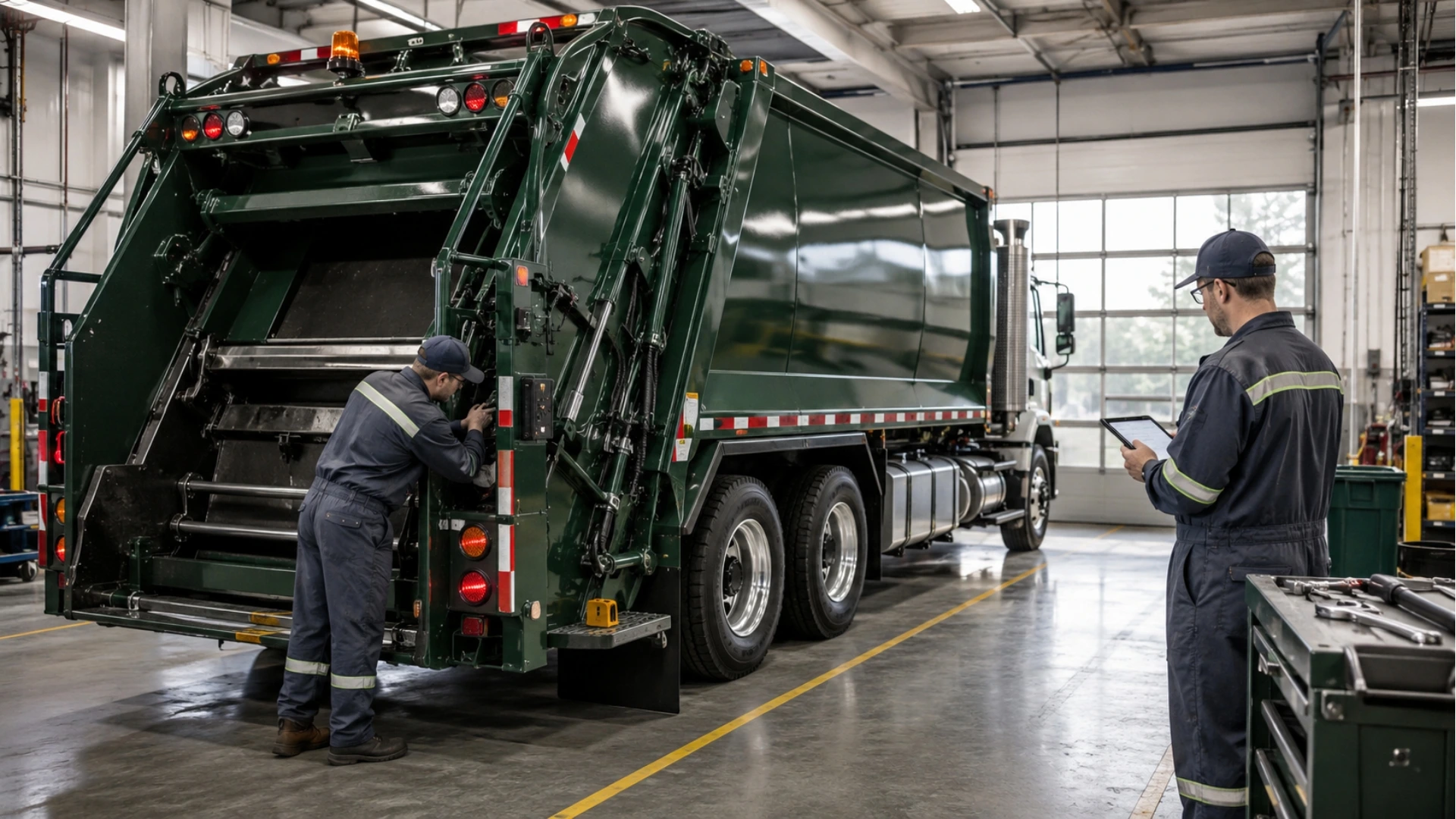
Waste collection operators lose control when route status, driver activity, vehicle readiness, and disposal records are managed through calls, spreadsheets, or delayed end-of-day reports. A missed pickup may start with an unavailable truck, a late crew, a route deviation, a long idling stop, a compactor issue, or a disposal-site delay that nobody sees in time. For municipal and private waste fleets, the cost is not only operational. It becomes customer complaints, service penalties, fuel waste, overtime, and weak evidence when leadership asks what happened.
Safee is a UAE-based fleet management platform serving B2B fleets across the GCC and global markets. For waste operators, we help connect live tracking, route visibility, alerts, maintenance workflows, mobile access, and reporting so collection teams can act earlier and manage every route with clearer accountability.
This guide explains how to choose and configure waste management fleet software for daily collection operations, waste fleet management, route governance, maintenance readiness, driver safety, fuel/idling review, disposal-site records, and management reporting.
What is waste management fleet software?
Waste management fleet software is a fleet platform designed to help waste collection companies, municipalities, contractors, and private operators manage collection vehicles, routes, drivers, maintenance, alerts, disposal movement, and reporting from one operational workflow.
Waste fleet management is different from general vehicle tracking because the buyer must evaluate route logic, collection zones, transfer stations, landfill or disposal sites, shift timing, compactor readiness, safety events, missed-pickup follow-up, and reporting ownership. A map can show movement; the right software helps a waste management fleet manager decide what to do next.
For a related overview of daily tracking workflows, read our Waste Management Fleet Tracking Guide as the tracking-intent article.
What waste fleet managers need to control
Waste management fleet operations require daily control across vehicles, crews, routes, service zones, collection points, maintenance issues, disposal sites, and reporting. The goal is to reduce manual follow-up and make service status visible before a complaint becomes the first alert.
- Vehicle and driver assignment before the shift starts.
- Route progress, skipped stops, long stops, and route deviations during the shift.
- Geofence activity around depots, service zones, transfer stations, disposal sites, and restricted areas.
- Compactor, hydraulic, safety, tire, and vehicle-readiness issues before dispatch.
- Driver behavior, idling, harsh events, and safety exceptions.
- Disposal-site visits, return-to-depot activity, and end-of-shift reporting.
- KPI reports for missed collections, utilization, downtime, fuel patterns, and alert closure.
To build this foundation, you can start from our Essential Modules and configure only the tools that fit their routes, vehicles, users, depots, and reporting needs.
Hidden costs of poor waste fleet control
Poor control usually appears as missed collections, unplanned breakdowns, long idling, excessive mileage, unclear disposal records, and weak reporting. These problems often come from disconnected workflows rather than a single driver or vehicle issue.
Avoid publishing percentage-based cost claims unless they are supported by an approved internal case study. For CMS use, any statement such as “60% fewer missed collections” or “30% less idle fuel waste” should include a verified baseline, fleet size, route scope, measurement period, and calculation method. Without proof, present the value as measurable improvement areas rather than guaranteed results.
Buyer criteria for waste management fleet software
Cut missed collections
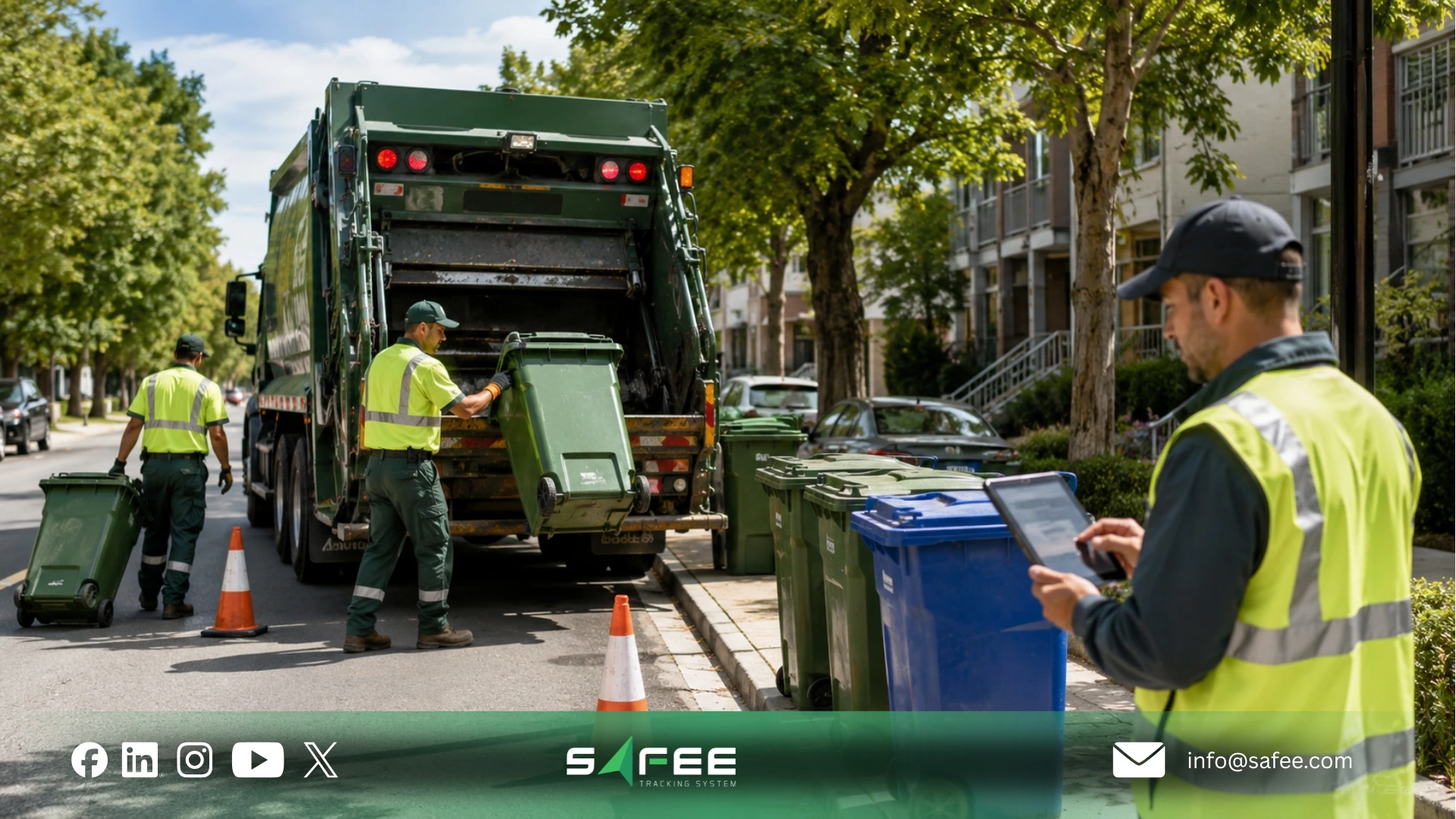
Missed collections become harder to manage when the software does not connect route status, vehicle readiness, driver assignment, alerts, and reports. During software evaluation, ask whether supervisors can identify delayed routes, skipped zones, long stops, early depot returns, or disposal-site delays before the customer complaint becomes the first signal.
For fleet management for waste collection vehicles, the buyer should verify that route recovery is operational, not only visual. The platform should help supervisors review nearby vehicles, route progress, crew availability, and exception ownership before reassigning work or updating customer-service teams.
Reduce driver incidents and vehicle damage
Solid waste fleet management must include safety governance because collection work involves frequent stops, reversing, narrow streets, heavy vehicles, and public areas. When evaluating Alarms and Alerts, focus on meaningful rules for speeding, harsh events, geofence breaches, unauthorized use, excessive idling, and maintenance-related exceptions.
The best alert setup is selective. Do not send every event to every manager. Define which events matter, who owns the response, what action is expected, and how the alert is closed. This prevents alert fatigue and keeps the workflow useful for HSE, dispatch, and operations teams.
Enable your waste management fleet manager
A waste management fleet manager may need to supervise multiple routes, depots, crews, disposal sites, and contractors at the same time. Software should make that role manageable through clear dashboards, mobile access, exception queues, scheduled reports, and ownership rules, rather than forcing managers to chase updates manually.
Remote visibility is especially useful for GCC and global waste operators managing distributed routes, after-hours shifts, or outsourced collection zones where delayed updates can quickly affect service quality.
Core features to compare in waste management fleet software
Feature | Why It Matters for Waste Operators |
Live route visibility | Track collection vehicles, route progress, stops, delays, depot returns, and disposal-site movement in real time. |
Geofencing for service zones | Create boundaries around depots, neighborhoods, transfer stations, landfills, customer areas, and restricted zones. |
Journey and route control | Use structured trip monitoring where routes, approvals, collection zones, and route review are required. |
Maintenance readiness | Track service schedules, open defects, compactor-related checks, hydraulic issues, and vehicles unavailable for dispatch. |
Driver behavior monitoring | Review speeding, harsh events, idling, and safety trends without relying only on individual complaints. |
Fleet Reporting | Generate route, vehicle, driver, fuel, idling, maintenance, exception, and readiness reports for management review. |
Tracking Data Analyzer | Review repeated delays, route patterns, underused vehicles, idling hotspots, and recurring exceptions over time. |
For planned-route environments,
- Our Journey Management System can help teams plan, monitor, approve, and review trips where route discipline and operational governance matter. For maintenance-heavy fleets,
- Our Maintenance Module also supports service scheduling, alerts, task creation, and readiness follow-up. For performance review,
- Our Fleet Reporting helps teams turn fleet data into scheduled reports and management insight.
Waste fleet operations checklist
Keep the checklist practical. Each best practice should have an owner, review cadence, and report output. The point is not to add paperwork; it is to make waste disposal fleet management easier to supervise and easier to improve.
- Start each shift with a digital readiness check for every waste collection vehicle.
- Assign drivers and vehicles clearly so route, safety, and maintenance records stay accountable.
- Use geofences for depots, service zones, transfer stations, landfills, and restricted areas.
- Review route progress during the shift instead of waiting for end-of-day reports.
- Track missed collections with location, time, route, driver, and reason code where possible.
- Monitor long stops and excessive idling in areas where engine-off policies apply.
- Use alerts for route deviations, after-hours movement, unauthorized use, and safety events.
- Schedule preventive maintenance by mileage, date, engine hours, or usage pattern where configured.
- Track compactor, hydraulic, tire, brake, and safety-equipment issues before dispatch.
- Record disposal-site entry, exit, and route history for operational review.
- Review driver behavior trends monthly and connect coaching to documented events.
- Create daily route completion reports for supervisors and weekly KPI reports for leadership.
- Compare planned routes with actual movement to identify repeated inefficiencies.
- Use mobile access so supervisors can act without waiting to return to the office.
- Review underused and overused vehicles before buying additional assets.
- Track open defects and overdue service tasks before approving next-shift assignments.
- Analyze repeated exceptions by route, depot, vehicle, driver, and service zone.
- Hold weekly waste management fleet manager briefings around KPIs and route changes.
Why choose Safee for your waste management fleet operations?
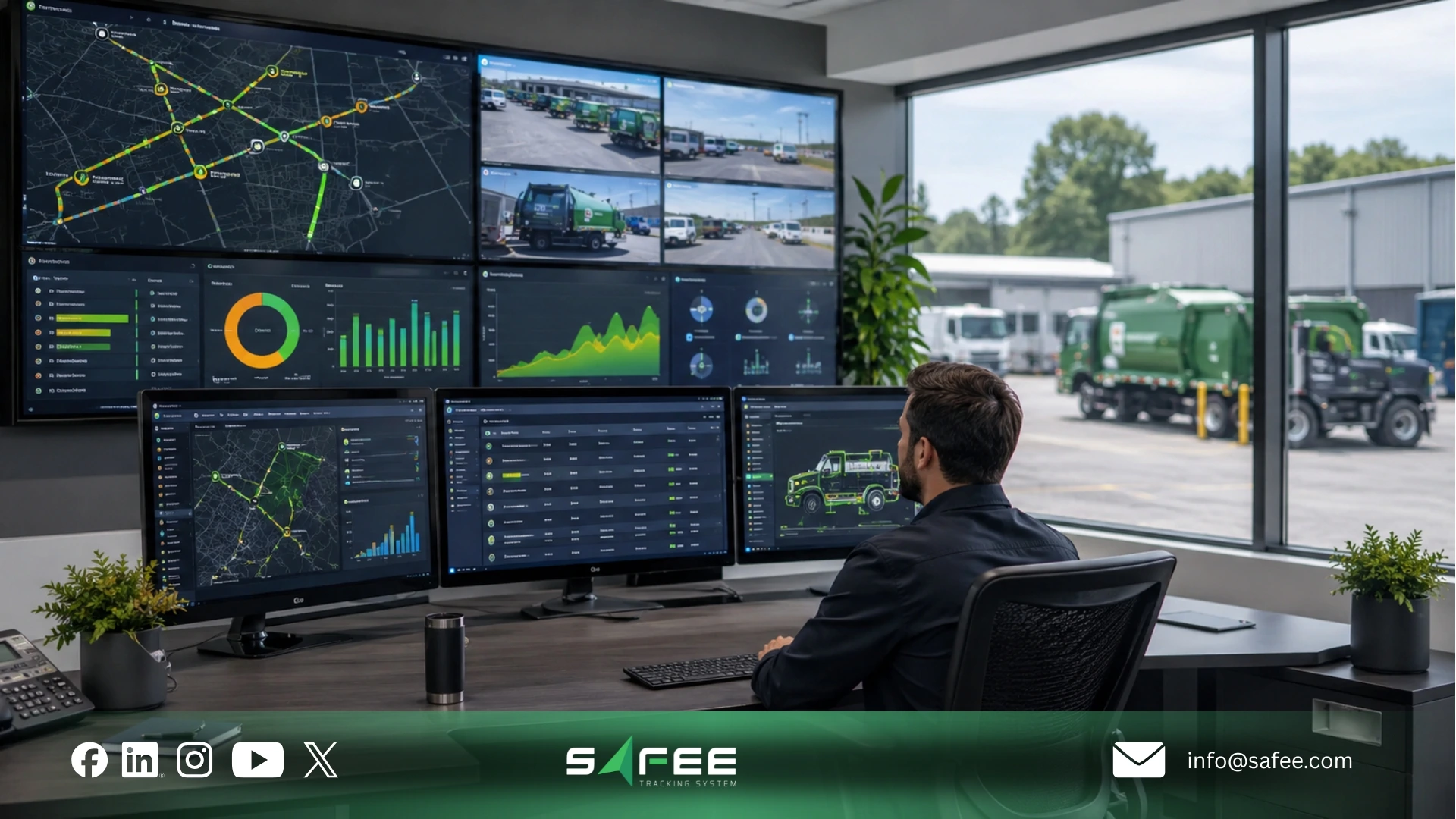
At Safee, we support waste management fleet operations by helping operators connect Live Vehicle Tracking, Alarms and Alerts, maintenance workflows, route review, driver visibility, mobile access, analytics, and reporting in one practical workflow. For collection-specific needs such as RFID, container status, collection confirmations, load weight, and collection history, review our Waste Management Solution.
For waste operators, the value is not only knowing where a truck is. The value is knowing whether the truck is assigned, active, delayed, idling, outside a service zone, due for maintenance, linked to a missed collection, or ready for the next route.
- Use Live Vehicle Tracking to monitor route progress, stops, geofences, and disposal-site movement.
- Use Alarms and Alerts to detect route deviations, unauthorized movement, idling, safety events, and maintenance exceptions.
- Use the Maintenance Module to reduce missed service, open defects, and dispatching unready vehicles.
- Use Fleet Reporting to review missed pickups, utilization, route performance, downtime, and alert closure.
- Use the Mobile App so supervisors and managers can act from the field.
- Use Tracking Data Analyzer to find repeated delay, idling, utilization, and route patterns.
Safee Waste Operations orkflow
A Safee setup for waste operators can be configured as a software workflow across dispatch, routes, drivers, depots, disposal sites, maintenance, alerts, and reports. The selection question is not whether the platform can show trucks on a map; it is whether office teams and field supervisors can work from the same source of truth during the shift and after the shift.
A practical rollout may start with live tracking and geofences, then add alert ownership, maintenance rules, driver behavior review, mobile access, scheduled reports, and analytics. Once the daily workflow is stable, teams can review recurring route delays, missed collections, idle time, underused vehicles, and repeated maintenance issues from their own baseline.
For deeper trend review, our Tracking Data Analyzer can help operators turn repeated route and vehicle data into clearer operational insight.
FAQs about waste management fleet software
What does a waste management fleet manager do every day?
A waste management fleet manager coordinates vehicles, drivers, routes, collection coverage, maintenance readiness, fuel and idling issues, safety events, disposal-site activity, and performance reports. Software helps make these tasks visible and easier to review.
How can solid waste fleet management reduce missed collections?
Solid waste fleet management can reduce missed collections by giving teams live route visibility, geofence records, route-history review, driver and vehicle status, and exception alerts before a missed stop becomes a complaint.
What are the most common causes of waste collection vehicle breakdowns?
Common causes include missed preventive maintenance, heavy stop-start operation, compactor or hydraulic issues, tire wear, brake stress, excessive idling, and unresolved defects. A maintenance workflow helps teams act before failures disrupt routes.
How does fleet management for waste collection vehicles support compliance?
It can support compliance-related workflows by organizing trip history, route records, driver events, maintenance records, disposal-site movement, alert logs, and reports. Exact requirements should be verified with the relevant authority or contract owner.
What KPIs should a waste management fleet operations team track weekly?
Useful KPIs include missed collections, route completion, vehicle utilization, idling, fuel patterns, downtime, overdue maintenance, driver behavior events, disposal-site visits, alert closure, and repeated exceptions by route or depot.
Ready to improve your fleet operations?
Tell us what you would like to improve. A Safee specialist will reply by email.
Usually replies within one business day • No sales spam
Your details are used only to respond to your request. Privacy Policy