
How Mining Fleet Management Software Improves Safety and Uptime
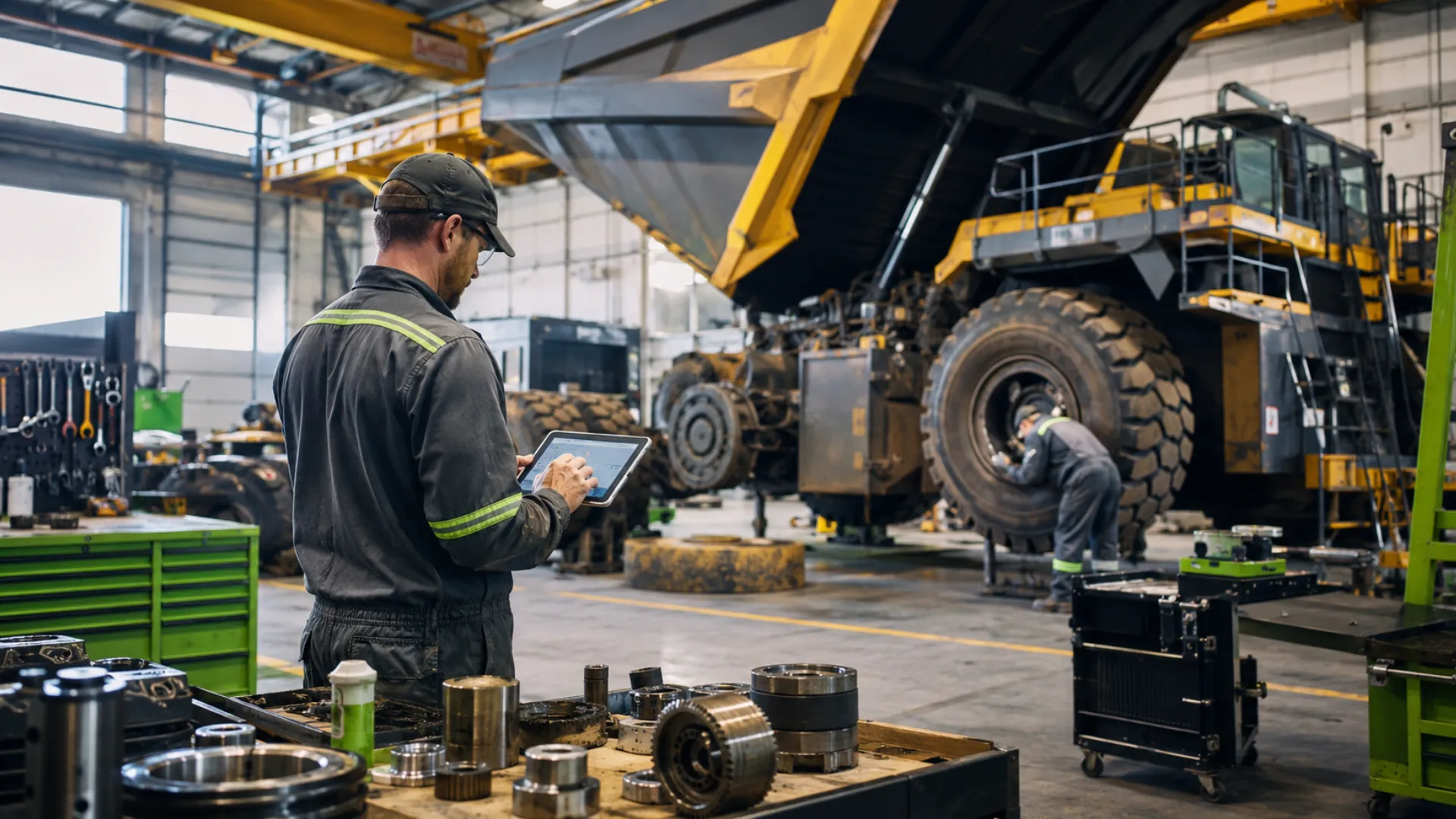
A mine site can have trucks moving, operators on shift, and machines running all day, yet still lose control of uptime, safety, and cost. A haul truck may sit idle without being noticed, an excavator may keep working with an open defect, a support vehicle may enter the wrong zone, or maintenance may discover an issue only after production has already slowed. For GCC and global mining operations, basic tracking is not enough when every hour of downtime affects production, safety, and site planning.
This guide explains how mining fleet management software helps mining and quarry operators connect machine visibility, maintenance workflows, safety geofences, fuel review, operator accountability, and Fleet Reporting into one operating model. You will also see how we at Safee support fleet management for mining through live tracking, alerts, equipment monitoring, maintenance planning, mobile access, SatComm, and reporting workflows configured around real mine-site conditions.
What is mining fleet management software?
Fleet management software for the mining industry is a platform that helps mining and quarry teams track, monitor, maintain, and improve the performance of vehicles, machines, operators, routes, safety zones, maintenance tasks, and productivity data across mine sites.
The value is not only seeing a location on a map. Mining operations need to know which machines are active, idle, stopped, unavailable, inside a restricted zone, due for service, or linked to unresolved alerts. A haul truck, excavator, drilling rig, loader, grader, water truck, fuel truck, supervisor pickup, and site bus may all need different tracking rules, alerts, reports, and maintenance logic.
At Safee, we help teams move from scattered phone calls and manual shift notes to connected workflows powered by modules such as Live Vehicle Tracking, Equipment Activity Monitoring, Alarms and Alerts, Maintenance Management, and Fleet Reporting. Explore our solutions
Fleet management for mining from haul trucks to drilling rigs
Fleet management for mining solutions covers the assets and workflows that keep material movement, field support, safety control, and maintenance planning aligned during each shift. The system should reflect how the mine actually operates, not force every asset into a generic vehicle workflow.
- Haul trucks moving ore, aggregate, overburden, or waste material between loading, dump, and processing areas.
- Excavators, loaders, dozers, graders, and drilling rigs working across pits, faces, stockpiles, roads, and preparation zones.
- Water trucks, fuel trucks, lube trucks, workshop vehicles, and service units supporting site continuity.
- Buses, pickups, ambulances, and supervisor vehicles moving people and teams across site areas.
- Powered assets such as generators and compressors where operating-hour visibility matters.
A strong fleet management mining workflow should help dispatch, HSE, maintenance, operations, finance, and leadership answer the same core questions: what is working, what is delayed, what needs service, what is unsafe, what is underused, and what should be reviewed before the next shift.
Also read: Heavy Equipment Fleet Management Software in the GCC: Maximize Uptime on Every Job Site
Why can’t mining operators afford poor fleet visibility?
Poor mine-site visibility creates hidden costs. A machine may be assigned to a zone but not used productively. A defect may stay open because it was recorded outside the main workflow. A vehicle may enter a restricted area without fast escalation. Maintenance may plan service using outdated manual records instead of current operating data.
- Unplanned downtime when engine hours, inspection findings, or defects are not reviewed early enough.
- Lost productivity when trucks, loaders, or support vehicles spend too much time idle or waiting.
- Higher safety risk when restricted zones, speed events, and operator assignments are not governed clearly.
- Fuel waste from excessive idling, inefficient routes, or poor visibility into consumption patterns.
- Weak auditability when incident reports, inspection records, and maintenance actions are scattered across disconnected systems.
The goal of fleet management software for mining industry operations is to give teams earlier signals, clearer ownership, and better reporting before small issues become production, safety, or cost problems
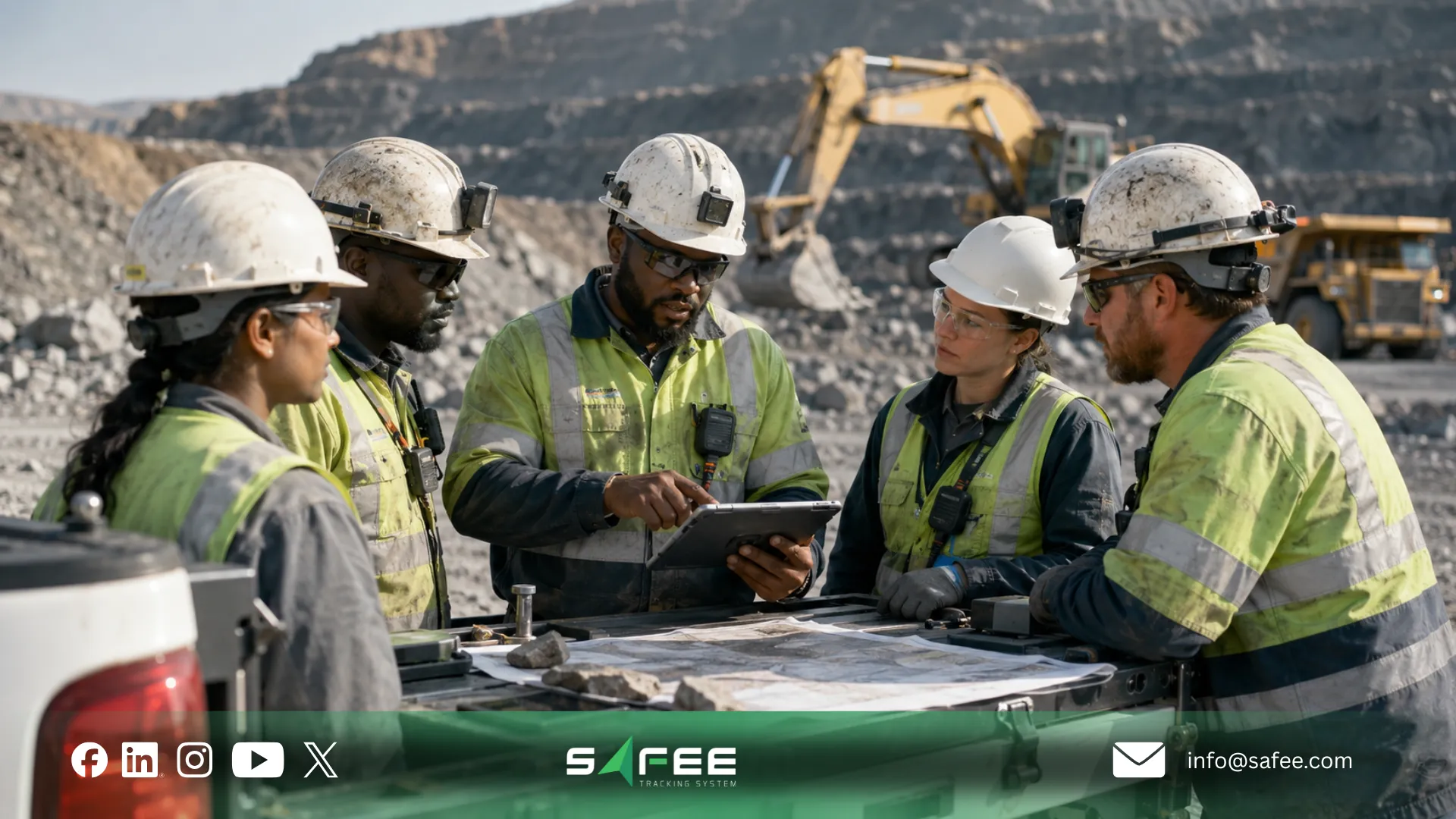
Core benefits of fleet management for mining operations
The benefits of mining fleet management software are strongest when live data becomes part of the daily operating rhythm.
The following sections show how fleet management for mining solutions can support productivity, uptime, and safety without overwhelming teams with unnecessary data.
Improve mining productivity
Real-time tracking improves mining productivity by showing where machines and vehicles are, how they are moving, and whether they are being used as planned. On a mine site, this matters because work zones, haul roads, production targets, and site conditions can change quickly.
Our Live Vehicle Tracking module supports live asset visibility, while Equipment Activity Monitoring helps teams review active and idle equipment patterns across sites.
- Review haul truck and support vehicle location by pit, workshop, stockpile, or route.
- Identify machines that are active, idle, parked, or outside the assigned zone.
- Reduce manual calls between dispatchers, supervisors, operators, and maintenance teams.
- Use movement history to understand delays, congestion, waiting time, and reassignment gaps.
Reduce downtime
Mining fleet management software helps reduce downtime by linking machine usage, engine hours, inspection findings, open defects, and service rules into one maintenance workflow. A loader, excavator, drilling rig, generator, and haul truck do not all need the same service logic, so maintenance should be configured by asset type and operating conditions.
Our Maintenance Management can support service scheduling, open task follow-up, and maintenance alerts. Where compatible equipment data is available, CANbus Integration can help teams use diagnostics, fuel, RPM, and vehicle health signals for earlier maintenance review.
- Review repeated faults by site, operator, machine class, or shift.
- Schedule service by engine hours, mileage, date, or custom rules.
- Connect inspection defects to maintenance follow-up instead of leaving them as isolated notes.
- Show supervisors which assets should not be assigned because of unresolved critical issues.
Need engine-hour maintenance instead of calendar-only reminders? Talk to Safee about configuring service rules, inspection workflows, and Fleet Reporting around your mining assets
Enhance mine-site safety
Safety improves when exceptions are visible early and routed to the right owner. In mining, geofences can help monitor pits, haul roads, blast areas, workshops, fuel zones, exclusion zones, depots, and restricted areas. When a vehicle enters or exits a defined area, the system can record the event or trigger an alert.
Our Alarms and Alerts module can support configurable notifications for speed, geofence events, unauthorized movement, maintenance triggers, and operating exceptions. You can also support your operator assignment and accountability where relevant with our Driver Management Driver Management can also help connect operator assignment, shift accountability, and safety review where relevant.
Mining companies should govern alerts carefully. Not every event needs the same response. A workshop entry may need maintenance review, a restricted-zone entry may need immediate escalation, and a recurring speed event may need coaching or HSE review.
Also read: Video IVMS: The Complete Solution for Safer and Smarter GCC Fleet Operations
15 Key features of fleet management software for the mining industry
Choosing fleet management software for mining industry operations should start with the mine’s operating model: asset types, site layout, shift structure, safety zones, maintenance process, connectivity limits, reporting cadence, and integration needs.
For fleet management software mining teams can rely on harsh sites, the priority should be live tracking, geofencing, maintenance alerts, fuel visibility, and reporting clarity before extra features.
The features below help teams compare mining platforms by business value, not by feature lists alone.
Real-time GPS tracking of haul trucks, excavators, and support vehicles
This helps teams monitor location, route movement, assigned zones, site entry and exit, and movement history. It becomes more valuable when connected to geofences, alerts, utilization reports, and operator assignment.
Engine hours and shift-based maintenance scheduling
Mining machines often work hard without traveling far. Engine-hour maintenance helps teams plan service around actual use, while shift-based routines support inspections before and after work.
Fuel consumption monitoring per machine and shift
Fuel visibility helps teams review excessive idling, abnormal consumption, refueling patterns, and differences between similar machines working similar jobs. Our Fuel Tracking can support this where the right data source or sensors are configured.
Geofencing for active mining zones and restricted areas
Geofencing supports entry and exit records, restricted-zone alerts, unauthorized movement detection, route discipline, and security monitoring for high-value assets.
Driver and operator ID assignment per shift
Operator visibility connects the machine, person, shift, inspection records, alerts, and productivity review. Role-based access should control who can view or edit operator data.
Payload monitoring and load cycle review for haul trucks
Payload and cycle visibility can support productivity analysis where compatible hardware, sensors, or dispatch integrations are configured. Teams should verify available data before making operational decisions.
Harsh terrain performance monitoring
Depending on data availability, teams may review harsh braking, harsh acceleration, vibration-related patterns, speed on site roads, or routes that create repeated mechanical stress.
Safety zone alerts for blast areas and exclusion zones
Safety-zone alerts should define which zones are critical, which assets are allowed to enter, who receives the alert, and how events are acknowledged and closed.
Equipment utilization and productivity reports
Utilization reports help managers compare active time, idle time, downtime, availability, and site-level productivity. This supports redeployment, rental decisions, and maintenance planning.
Integration with mine planning, dispatch, ERP, or maintenance systems
Integration can reduce duplicate entry and connect asset IDs, operator IDs, routes, work orders, fuel data, cost centers, and management reports where supported.
Vehicle inspection reports before and after each shift
Digital inspection workflows help teams capture pre-start checks, post-shift defects, supervisor review, and maintenance follow-up in one workflow.
Environmental reporting support where data is available
Fleet data may support fuel, idle time, maintenance history, emissions-related indicators, or incident records where configured. Exact environmental reporting obligations should be verified by the mine operator.
Fatigue-related workflows for long-shift operators
Fatigue management may include operator identity, long operating periods, stop patterns, harsh events, video telematics, and supervisor alerts where compatible systems and policies are configured.
Mobile app access for site supervisors
Supervisors need visibility away from the office. Safee’s Mobile App can support live location, alerts, inspection status, reports, and field coordination depending on user permissions.
Centralized dashboard for multi-site mining operations
A central view helps operators compare availability, downtime, safety alerts, fuel patterns, maintenance status, and utilization across multiple pits, quarries, depots, or contractors.
Comparing fleet management for mining solutions? Contact our experts to map your mine sites, haul roads, equipment classes, safety zones, maintenance rules, reporting needs, and integration requirements before you choose a platform.
Also read: The Essential Guide to Fleet Management Sensors
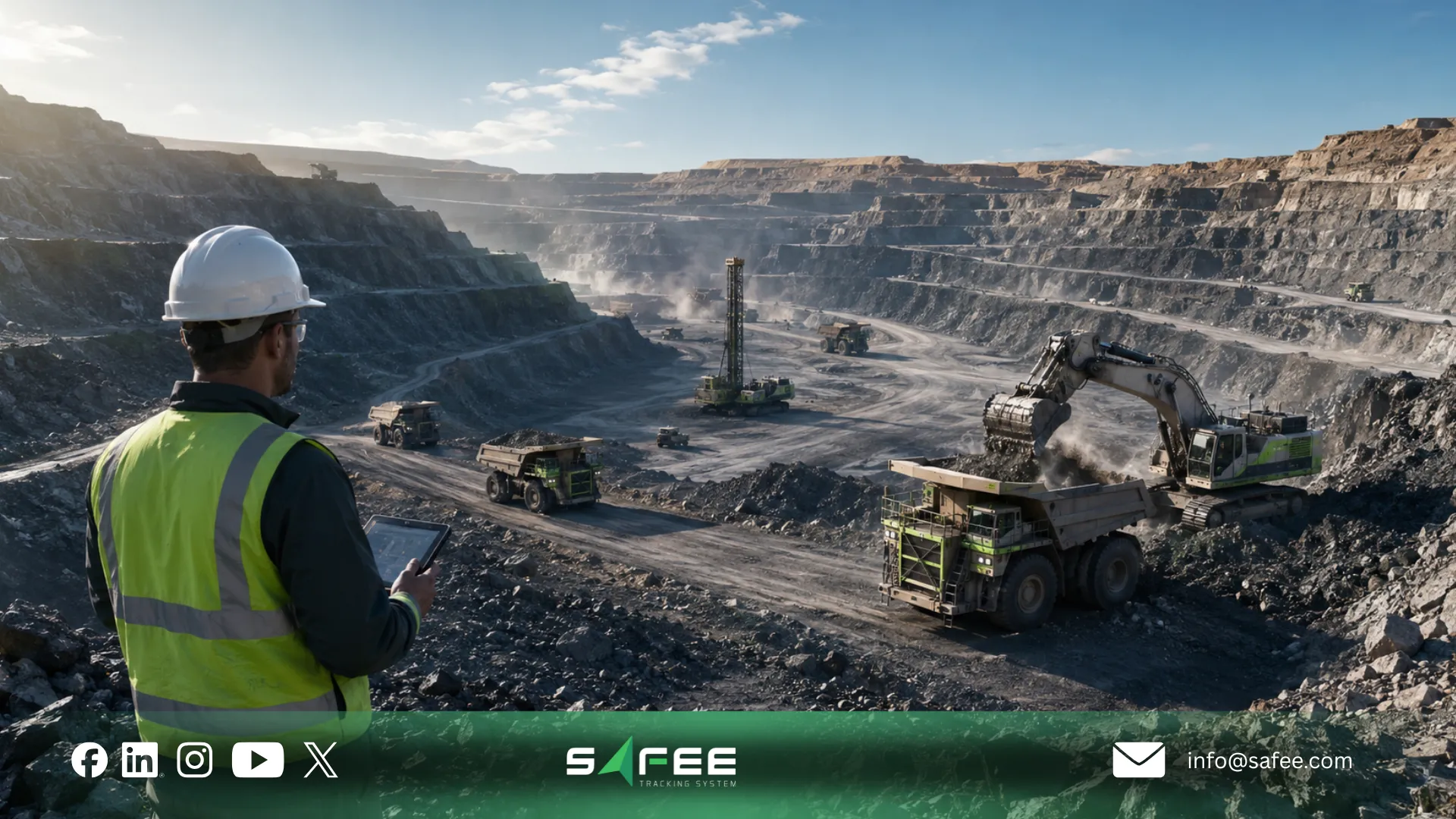
How does Safee support mining fleet management?
At Safee, we help mining teams build a connected fleet management mining workflow around visibility, alerts, maintenance, geofencing, reporting, operator accountability, and field access. From our UAE base, we support GCC and global B2B fleet operations with configurable workflows that can be adapted to the real conditions of each mine site.
For mining teams, the value we offer is practical: fewer blind spots, clearer ownership, faster exception review, better maintenance planning, and more consistent reports across sites and shifts.
- Live Vehicle Tracking for machines, vehicles, support assets, geofences, movement history, and route visibility.
- Equipment Activity Monitoring for active and idle equipment review across sites.
- Alarms and Alerts for restricted zones, speeding, unauthorized movement, maintenance triggers, and safety exceptions.
- Maintenance Management and CANbus Integration for engine-hour rules, diagnostics, alerts, and service follow-up.
- Fleet Reporting and Tracking Data Analyzer for utilization, downtime, maintenance, fuel, and performance review.
- Fuel Tracking, Weight Monitoring, Tire Pressure Monitoring System, and other advanced modules where sensors and machine data are configured.
- SatComm for remote or low-coverage operations where continuous visibility is required beyond normal cellular coverage.
- Mobile App for supervisors and managers who need access to alerts, status, and reports while moving across sites.
Explore these capabilities across our Essential Modules, Advanced Modules, and Added Value Modules to see how each layer supports mining fleet operations.
Safee configuration for harsh mining operating conditions
Mining sites need more than a clean dashboard. They need a platform that supports heavy equipment, long shifts, restricted zones, remote areas, high-value assets, safety review, maintenance workflows, and reporting discipline. Our system can help configure the platform around haul trucks, excavators, loaders, drilling rigs, service vehicles, water trucks, fuel trucks, buses, pickups, and powered site assets.
The safest setup starts with the site workflow. Define your pits, haul roads, workshops, fuel points, stockpiles, blast or exclusion zones, shift patterns, operator groups, inspection routines, maintenance rules, reporting owners, and integration requirements. Then configure the platform around those decisions instead of forcing the mine into a generic tracking template.
Exact safety, environmental, labor, and compliance requirements should be verified by the mine operator, site owner, HSE team, and relevant local authority before deployment. Safee can support compliance-related workflows through data, alerts, reports, records, and role-based access. However, each mine operator should verify safety, environmental, labor, and regulatory requirements with the relevant internal teams and local authorities
Also read: Fleet Tracking System with Camera: How Video Enhances Safety
How does Safee help mining companies control cost and improve productivity?
Safee helps mining companies control cost and improve productivity by making fleet activity easier to see, assign, review, and improve. Cost control does not come from one feature alone. It comes from repeated decisions across maintenance, fuel, utilization, route movement, operator accountability, safety exceptions, and reporting.
- Track haul trucks, support vehicles, and heavy assets in real time.
- Monitor machine activity across pits, stockpiles, workshops, depots, and site roads.
- Configure geofences around restricted and active mining zones.
- Review fuel patterns, idle time, and utilization trends by vehicle, site, or shift.
- Plan maintenance based on engine hours, service rules, and inspection findings.
- Assign operators to assets and review shift-based activity.
- Escalate safety alerts to the right dispatch, HSE, maintenance, or operations owner.
- Standardize reports across sites, teams, and management levels.
Before deployment, define your baseline: downtime, idle time, fuel use, maintenance delays, inspection gaps, safety alerts, route exceptions, and manual reporting effort. After deployment, the same indicators can be reviewed through Fleet Reporting to understand progress and prioritize action.
Ready to evaluate mining fleet management software for your site? Book your consultation session with our experts to plan a configuration around your mining vehicles, equipment, operators, alerts, maintenance workflows, reports, and integrations.
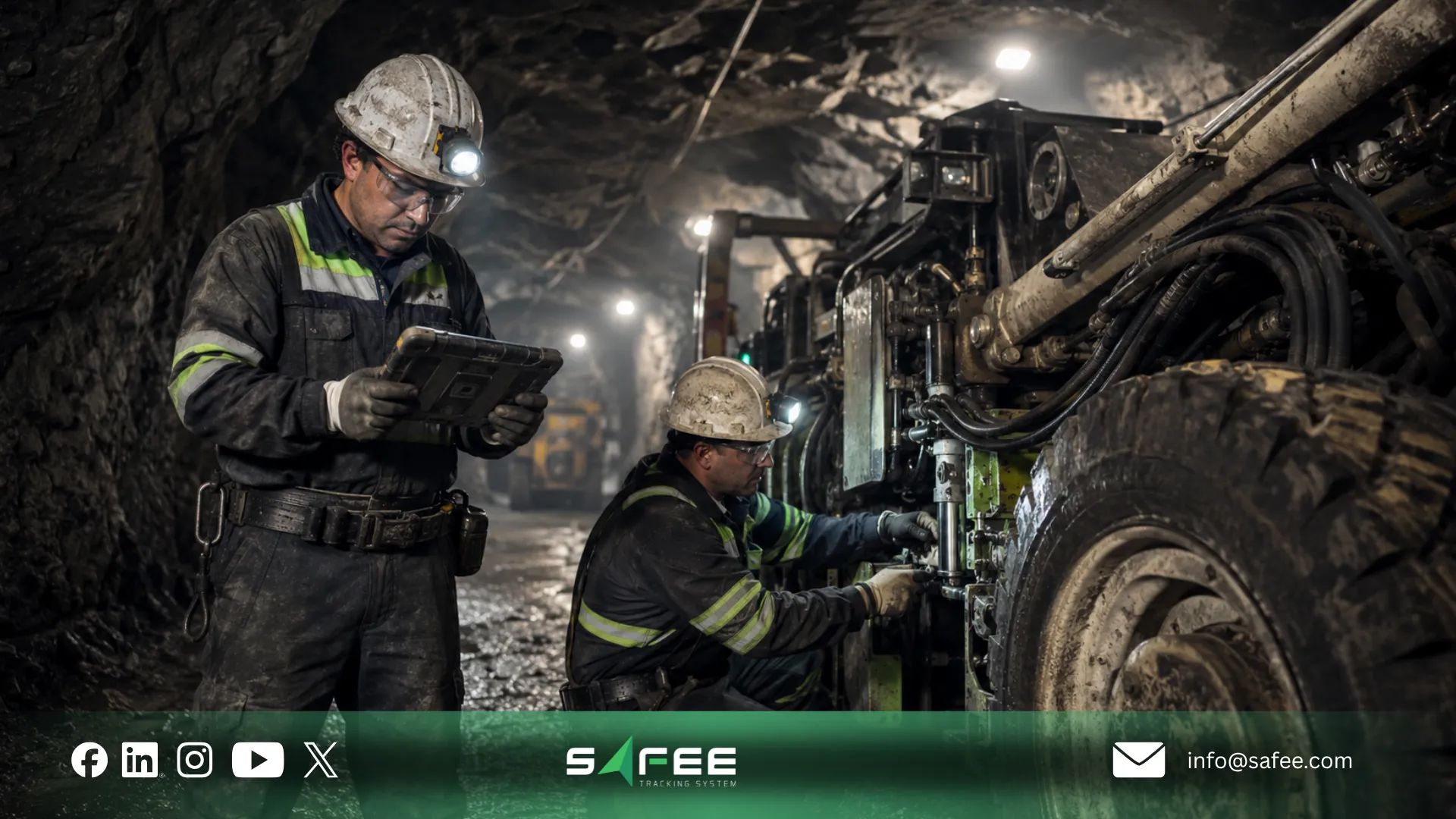
FAQs about mining fleet management software
What is mining fleet management software and what vehicles does it cover?
Mining fleet management software is a platform used to track and manage mining vehicles, heavy equipment, operators, maintenance tasks, alerts, geofences, and reports. It can cover haul trucks, excavators, loaders, drilling rigs, dozers, graders, water trucks, fuel trucks, service vehicles, buses, pickups, generators, and other powered assets where compatible telematics hardware or data sources are configured.
How does fleet management for mining improve haul truck efficiency?
Fleet management for mining improves haul truck efficiency by showing live location, cycle activity, idle time, waiting time, utilization, operator assignment, and maintenance status. This helps teams identify route delays, underused assets, excessive idling, and maintenance risks earlier.
What safety features matter most in fleet management software for mining industry operations?
Important features include real-time tracking, geofencing, restricted-zone alerts, speed alerts, operator ID assignment, inspection workflows, fatigue-related workflows where configured, mobile supervisor access, and audit-ready reporting. Alert ownership and escalation rules are as important as the technology itself.
Can fleet management software help mining teams track engine hours and maintenance cycles?
Yes. Mining teams can use fleet management software to track engine hours and maintenance cycles when compatible data is available. This supports service planning, open-defect follow-up, inspection reviews, and reduced dependence on manual records.
How does fleet management mining software support multi-site operations?
Fleet management mining software can support multi-site operations through centralized dashboards, site-based geofences, role-based access, standardized reports, asset grouping, and alerts by location or team. The key is to define consistent reporting rules while allowing each site to configure zones, users, and workflows based on local conditions.
What should companies verify before choosing fleet management for mining solutions?
Companies should verify vehicle and equipment scope, connectivity limits, engine-hour data availability, sensor requirements, safety-zone rules, alert ownership, integration needs, user access, and reporting cadence before deployment. Safee can help map these requirements into a practical configuration plan.
Ready to improve your fleet operations?
Tell us what you would like to improve. A Safee specialist will reply by email.
Usually replies within one business day • No sales spam
Your details are used only to respond to your request. Privacy Policy