
When Does a Dispatch Fleet Management System Become Essential?
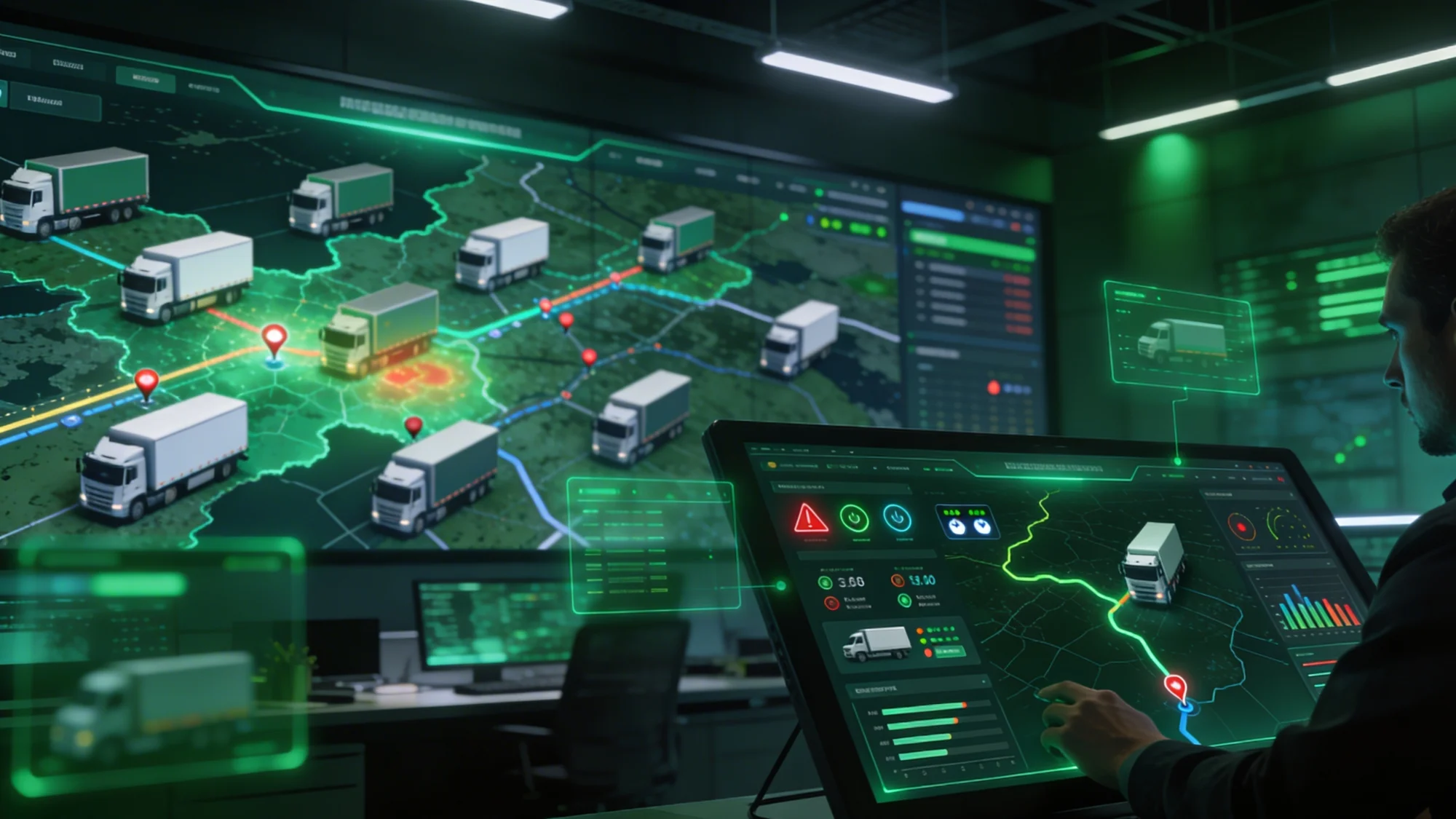
Your dispatch process is either strengthening your operation—or quietly slowing it down. If you still rely on calls, spreadsheets, and manual follow-ups, small gaps can turn into delays, missed ETAs, avoidable fuel waste, and customer dissatisfaction. A dispatch fleet management system helps provide a single operational view of your fleet, enabling faster assignment, earlier response to exceptions, and more consistent performance tracking.
This guide explains what a dispatch fleet management platform is, how it works, how it differs from basic tracking, which features you should require, and how Safee can support scalable, end-to-end dispatch control as an all-in-one platform.
What Is a Dispatch Fleet Management System?
A dispatch fleet management platform is an operational platform that helps you plan, assign, monitor, and control daily fleet activity from one centralized system. Instead of continuously chasing drivers for updates, you gain real-time visibility into what’s happening and can respond to exceptions as they occur.
A strong dispatch fleet management system connects dispatch workflows with monitoring, trip analysis, alerts, dashboards, and reporting—helping reduce delays, improve utilization, and support data-driven decisions rather than assumptions.
If you want one platform to replace multiple tools, request a Safee demo.
Read also: how Safee system care about drivers KPIs
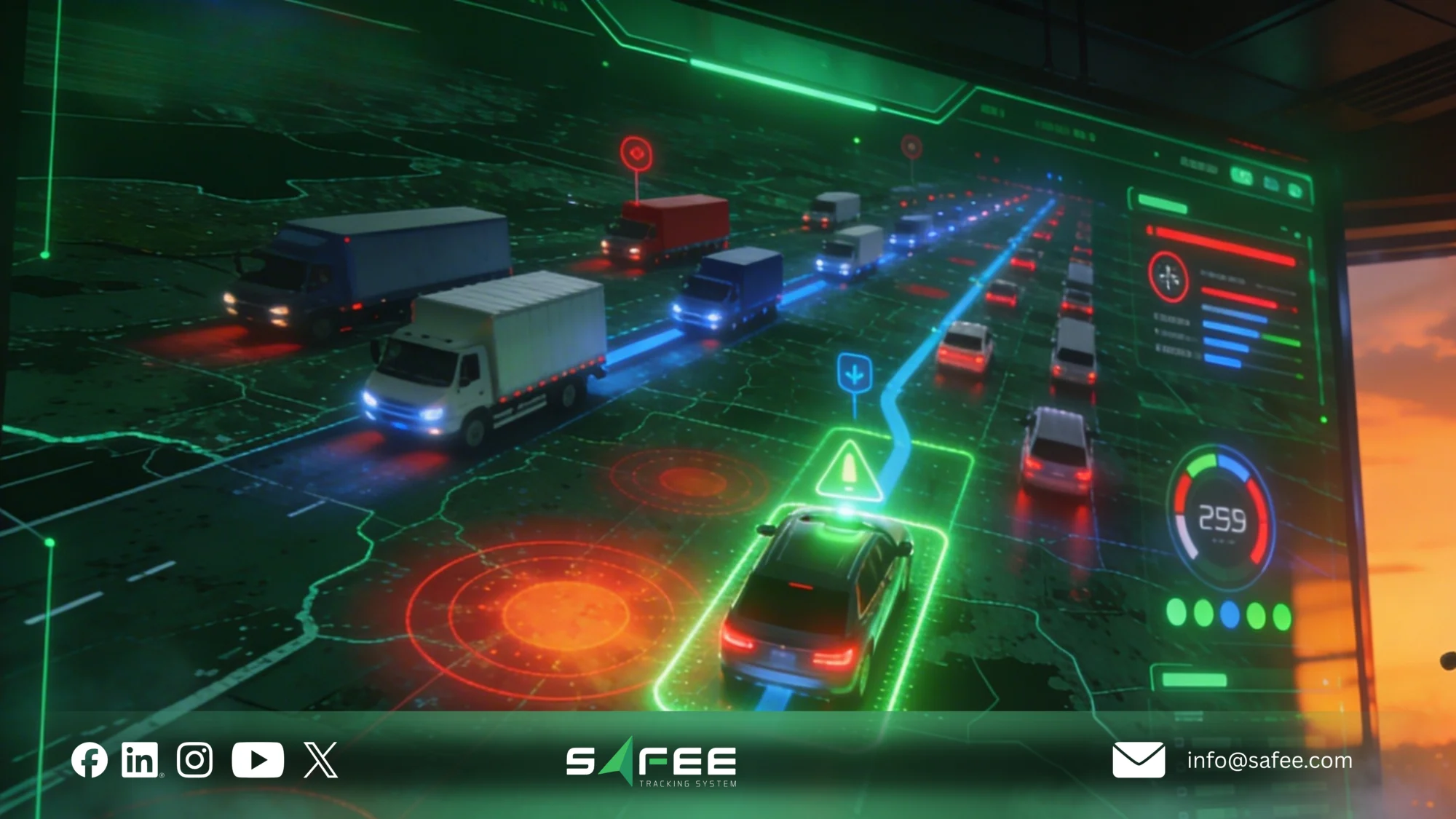
Basic tracking typically shows where vehicles are. A dispatch fleet management platform adds operational context—so teams can understand what’s happening, prioritize exceptions, and take action with clearer next steps.
Basic tracking tools (typical)
- Show a location point on a map
- Limited filtering and reporting
- Basic or limited dispatch workflows
- Limited operational accountability
Dispatch fleet management system
- Real-time monitoring with operational context
- Dispatch decision support using filters, alerts, and history
- Operational dashboards for managers
- Reports for utilization, idle time, violations, and cost patterns
If you want faster, more consistent dispatch decisions, request a Safee demo.
Signs your dispatch process is slowing down your entire business
If these signs appear frequently, your dispatch operation is likely creating cost drift and service-level risk. A dispatch fleet management system helps reduce manual follow-ups, surface exceptions earlier, and improve day-to-day accountability.
- Dispatchers spend the day calling drivers for updates
- Customers ask for ETAs, and you can’t answer with confidence
- Tasks get reassigned late because issues surface too late
- Drivers take detours, and exceptions are only discovered after the fact
- Fuel cost and idle time rise without clear accountability
- Vehicles are underutilized because utilization isn’t clearly visible
Read also: The optimized guide for taxi fleets
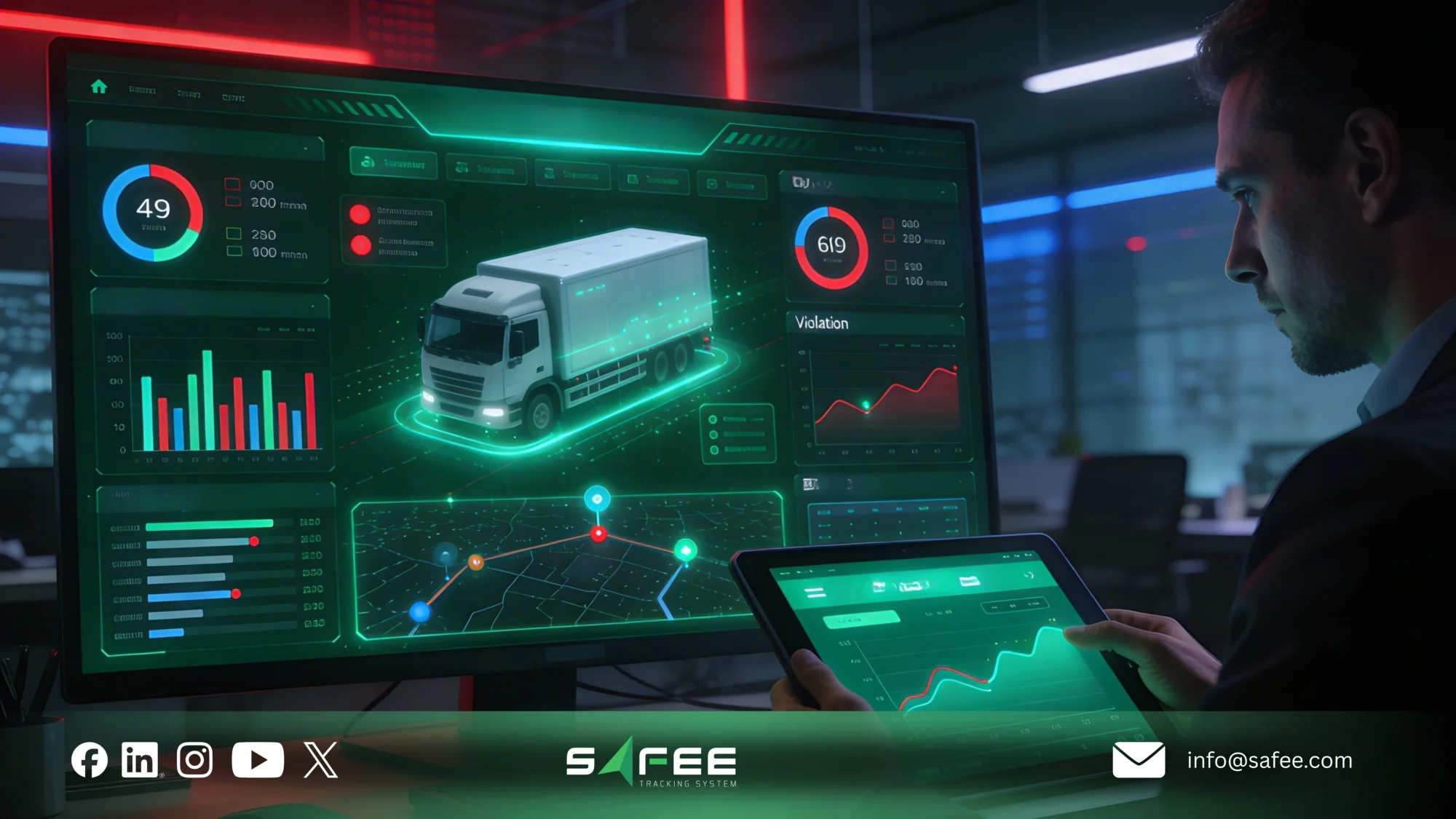
A dispatch fleet management platform runs as a daily control loop: you plan and assign work, monitor execution in real time, trigger alerts when exceptions occur, and review performance using dashboards and reports.
With this operating model, dispatch teams rely less on constant manual follow-ups and more on real-time visibility, consistent escalation, and measurable KPIs.
If you want this end-to-end workflow in one platform, request a Safee demo.
Core Features of a High-Performing Dispatch Fleet Management System
A high-performing dispatch fleet management platform should include:
Live monitoring
- Map-based visibility for vehicles and assets
- Clear vehicle status (moving, idle, ignition off, towing, offline)
- Multi-screen monitoring for multiple operational views
Dispatch decision tools
- Advanced filtering by status, geography, speed, last update, and driver presence
- Saved filters for repeated operational views
- Fast search to support time-sensitive dispatch control
History and proof
- Route history and timeline views
- Event and alert visibility during analysis
- Export options for audit and reporting requirements
Exceptions and alerts
- Alert-based fleet views
- Configurable alert conditions and thresholds
- Notifications that reduce manual follow-ups through consistent escalation
Benefits of Using a Dispatch Fleet Management System
A dispatch fleet management platform can deliver ROI by reducing uncertainty and improving operational control. Teams make faster decisions with real-time context, enforce more consistent operating discipline, and gain clearer visibility into cost drivers such as idle time and detours. Instead of spending hours on manual chasing, dispatchers can rely more on data to drive daily improvements.
The biggest long-term benefit is operational predictability. As dispatch becomes more predictable, customer experience typically improves, costs become easier to manage, and teams spend less time in constant firefighting.
Read also: The best ways to choose your tracking system
Dispatch Fleet Management System Use Cases Across Industries
A dispatch fleet management platform is valuable anywhere vehicles, time windows, and service performance matter.
Logistics and transportation
- Manage multi-site fleets with centralized visibility
- Improve on-time performance through real-time monitoring and exception alerts
- Support dispatch accountability with history and reporting
Last-mile and FMCG distribution
- Reduce missed delivery windows by detecting delays earlier
- Identify idle time and stop patterns that affect capacity
- Improve customer updates using real-time status and ETAs
Field services
- Coordinate technician dispatch using live availability and job status
- Validate arrival and route proof using history and timelines
- Use alerts to detect delays early and escalate exceptions
Construction and mixed fleets
- Manage vehicles and assets across job sites and regions
- Improve utilization using dashboards and reporting
- Control movement and exceptions with alert-driven monitoring
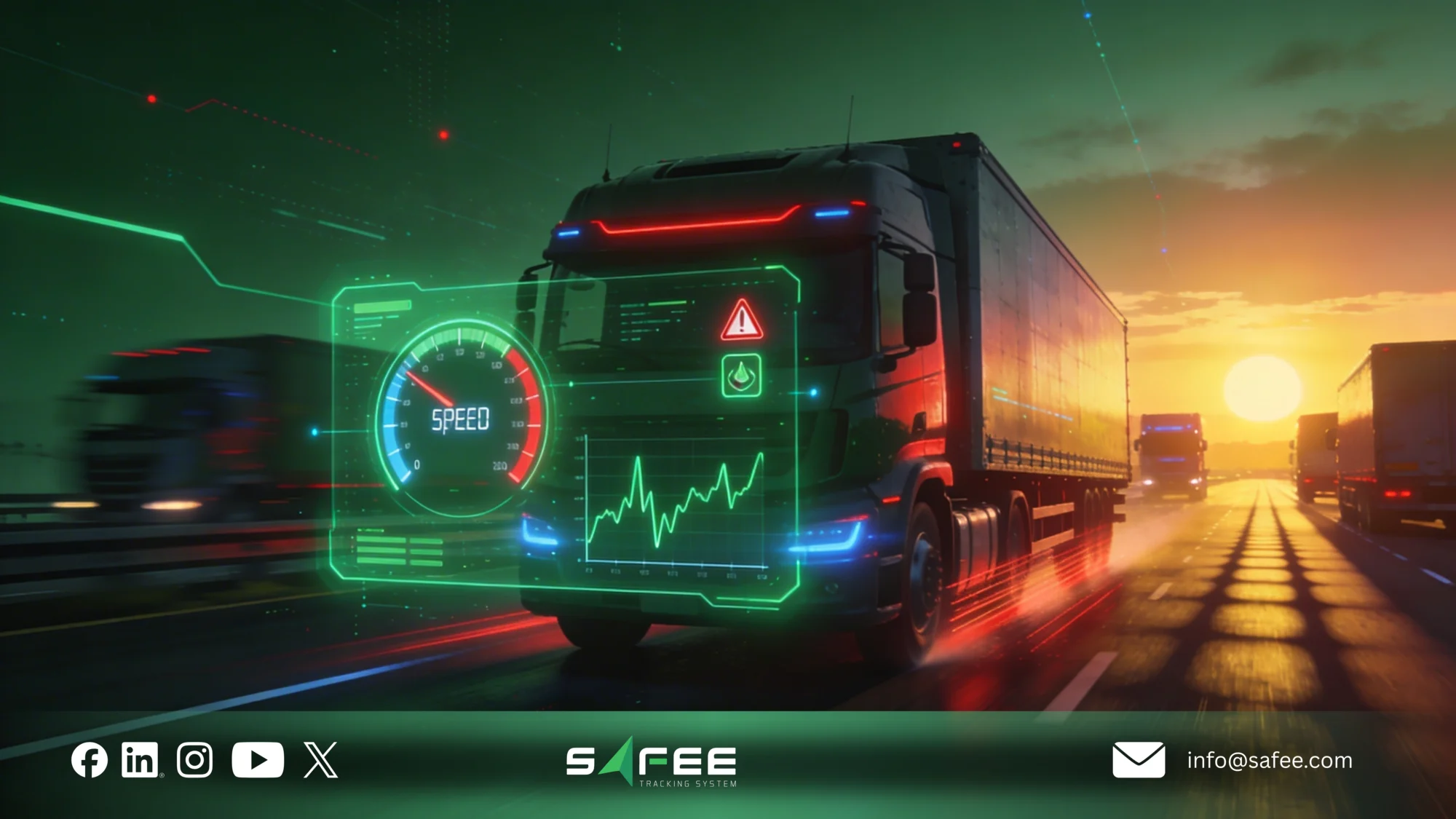
Choosing a dispatch fleet management system isn’t about features on paper. It’s about whether the platform fits your dispatch reality and can support consistent daily control at your fleet size.
Prioritize dispatcher usability, real-time responsiveness under load, strong filtering, and reporting that supports decisions. If the team can’t operate it quickly under pressure, it may become shelfware—even if it looks impressive in a demo.
To choose the right dispatch fleet management system, evaluate it using real dispatch scenarios—not marketing slides. If you’d like to validate fit against your workflow, request a Safee demo.
Safee: Your All-In-One Dispatch Fleet Management System
Safee is built to give operations teams real-time fleet visibility, dispatch-grade monitoring, dashboards, and reporting in one platform, helping dispatch teams act faster and enabling managers to track performance consistently.
With Safee as your dispatch fleet management platform, you’re not just tracking vehicles. You’re supporting a more controlled dispatch process with real-time oversight, exception workflows, and decision-ready reporting—helping reduce downtime, improve productivity, and standardize operations across sites.
Want to see how Safee fits your operation? Request a Safee demo.
FAQs About Dispatch Fleet Management Systems:
What is a dispatch management system?
A dispatch management platform organizes assignment, tracking, and execution of field or delivery work. Our dispatch fleet management system extends this with real-time visibility, alerts, dashboards, and reporting.
Do small fleets really need a dispatch management system?
Yes, because manual dispatch creates delays and bad habits early. The dispatch fleet management system by Safee helps you scale cleanly without chaos.
How long does it take to set up and start seeing results?
You can see results quickly once you start using live monitoring, filters, and alerts consistently. Bigger gains come when you align dispatch rules with reporting and KPIs.
What is the best fleet management system?
The best platform is the one that matches your dispatch workflow and delivers real-time monitoring, alerts, and reports. Safee is designed as a system approach, not a single-feature tool.
What is fleet dispatch?
Fleet dispatch is assigning vehicles and drivers to tasks, managing route execution, and protecting service levels.
How does a dispatch system work?
It assigns tasks, monitors execution live, triggers alerts when exceptions happen, and reports performance for improvement.
Ready to improve your fleet operations?
Tell us what you would like to improve. A Safee specialist will reply by email.
Usually replies within one business day • No sales spam
Your details are used only to respond to your request. Privacy Policy