

6 Core Fleet Optimization Levers for Better Performance

If you manage a fleet in 2026, the real challenge is not just keeping vehicles moving. It is improving cost, control, and service quality at the same time. Without clear visibility, measurable KPIs, and faster response to exceptions, waste builds up quickly through idle time, downtime, route inefficiencies, and inconsistent decisions. That is why fleet optimization has become a core part of modern fleet management, and why solutions such as Safee matter when you need daily operational visibility and more consistent performance.
In this article by Safee, you will learn the fleet optimization meaning, the main levers that drive improvement, the role of fleet optimization software, how digital optimization compares with traditional fleet management, how it supports safety, and how to choose the right solution for your operation.
Fleet Optimization Meaning
The meaning of fleet optimization is simple: getting more value from every vehicle, driver, hour, and liter of fuel while reducing waste, delays, incidents, and downtime. In practical terms, fleet optimization is not limited to route planning. It also includes improving vehicle utilization, driver behavior, maintenance timing, and the speed of day-to-day operational decisions.
In modern fleet management, optimization only works when it is supported by clear visibility and consistent reporting, because you cannot improve what you cannot measure. That is where Advanced Modules for Smarter Fleet Management Solutions add value, with real-time monitoring and reporting capabilities that help you reduce idling, improve productivity, and minimize downtime.
Read also: Why fleet repair management is important?
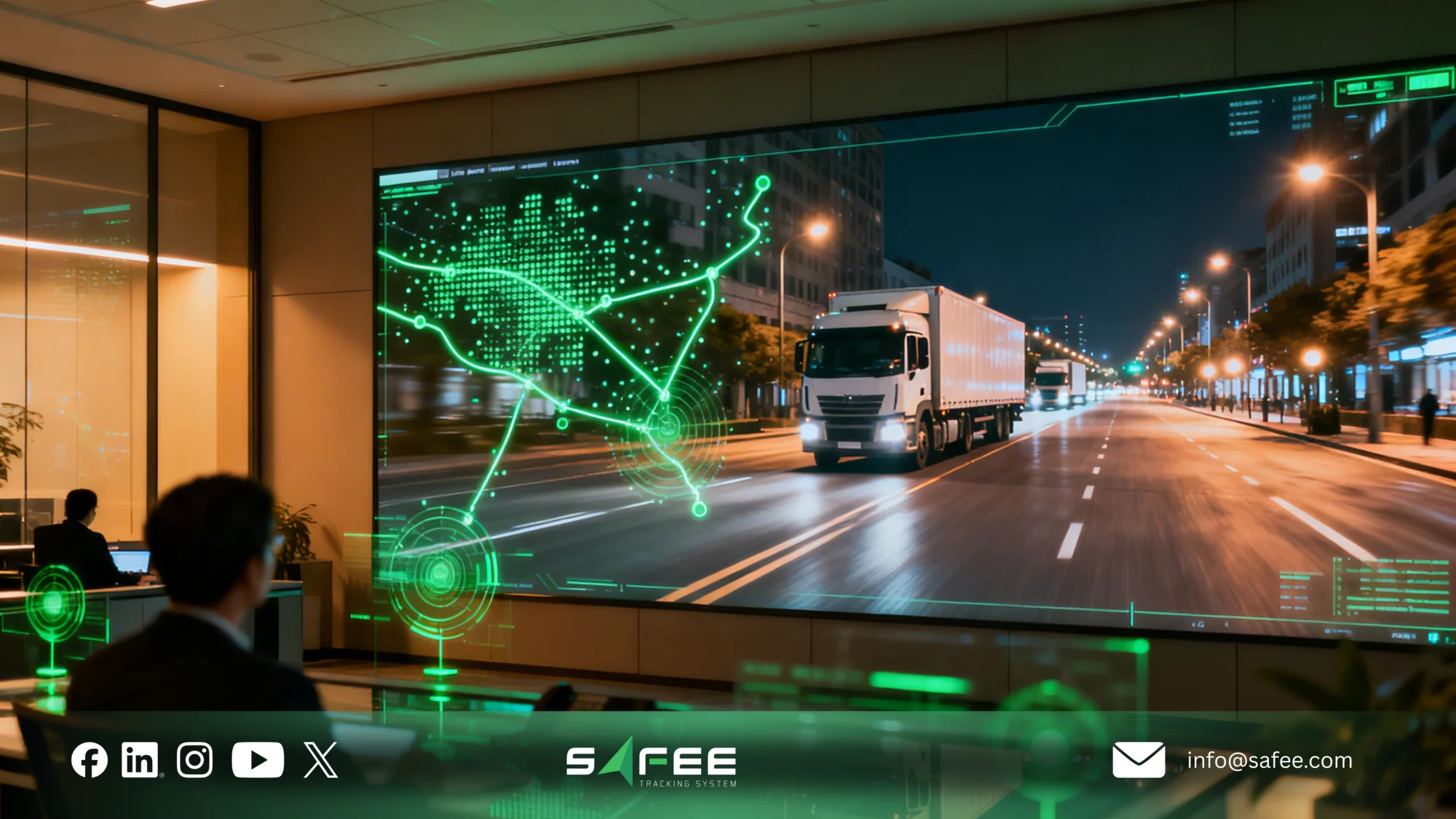
Core levers of effective fleet optimization
Effective fleet optimization depends on a small set of operational levers that influence cost, productivity, and day-to-day fleet performance.
- Vehicle utilization by balancing workload so vehicles are neither underused nor overloaded
- Idle control by reducing unnecessary engine-on time that wastes fuel and working hours
- Route discipline by detecting detours and limiting avoidable movement across daily operations
- Downtime reduction by identifying early warning signs and improving response to vehicle or operational issues
- Driver behavior by addressing risky habits that increase fuel consumption, wear, and accident exposure
- Decision speed by helping dispatchers and managers respond faster to exceptions during the shift
When these levers are managed together, fleet optimization becomes more than a reporting exercise. It becomes a practical way to improve cost control, productivity, and day-to-day operational consistency. If you want faster decisions and better fleet visibility during the shift, Safee can support that with real-time monitoring and reporting.
Fleet optimization strategies
The most effective approach is to focus on a small number of priorities and manage them as weekly operating rhythms, not one-time projects.
- Set KPIs for idle time, utilization, downtime, and service performance, then review them every week.
- Segment your operations by zones, routes, or sites, and manage each segment according to its actual conditions.
- Manage by exception using alerts, so your team can respond early instead of monitoring every vehicle manually.
- Review historical data weekly to identify repeated inefficiencies and address the root cause.
- Standardize coaching and accountability so performance improvements stay consistent across drivers and teams.
When these actions are applied consistently, optimization becomes part of daily fleet management rather than a separate initiative. If you want more consistent performance improvement across drivers, Safee can help you build that visibility and control into your operations.

What is fleet optimization software?
Fleet optimization software helps you measure performance, identify inefficiencies, and improve daily decisions through monitoring, alerts, dashboards, and reporting. Its role is not just to collect fleet data, but to turn that data into repeatable and scalable operational improvement across the business.
The most effective platforms combine live visibility with historical analysis, so you can manage operations in real time and improve performance over the long term. Safee supports this with real-time monitoring, reporting, analysis, and management features designed to reduce idling, improve productivity, and strengthen day-to-day fleet optimization.
If you want to see how a platform can support daily optimization workflows, request a Safee demo.
Read also: the intelligence behind dispatch system
Key features to look for in fleet optimization software
To support real fleet optimization, the platform must provide operational control tools, not just reports you review after the fact. It should help you see what is happening now, respond faster to exceptions, and turn data into actions your team can apply every day.
- Provide real-time monitoring that shows vehicle activity based on the latest available updates.
- Support strong filtering so you can isolate priority groups by status, geography, or last update.
- Surface alerts and alarms early to help your team respond to offline behavior, abnormal patterns, and other exceptions before they grow.
- Offer history and timeline tools that let you review routes, stops, and events for root-cause analysis.
- Turn raw data into dashboards and reports that leadership can use to track KPIs and performance trends.
- Include export options and structured reporting for audits, management reviews, and internal operational analysis.
When these features work together, the software becomes a practical part of daily fleet management rather than a passive reporting tool. If you want easier reporting and stronger visibility for management reviews, Safee can support that with real-time monitoring and structured reporting.
Digital fleet optimization vs. traditional fleet management
The difference between digital fleet optimization and traditional fleet management is not just technology. It is the speed, consistency, and quality of operational decisions. Traditional fleet management often depends on manual checks, delayed reporting, and individual experience, which means problems are usually identified after they have already affected cost, service, or productivity.
Digital fleet optimization gives you a more structured and measurable way to manage performance. Instead of reacting late, you can monitor activity as it happens, detect exceptions earlier, and respond with better speed and accuracy. This is where fleet optimization software adds real value for B2B operations, especially when you need tighter control across vehicles, drivers, routes, and service performance.
- Traditional fleet management relies more on manual follow-up, while digital fleet optimization uses live visibility to support faster action during the shift.
- Traditional methods often detect issues after the fact, while fleet optimization software helps surface exceptions early through alerts, filters, and real-time monitoring.
- Traditional control is harder to standardize across teams, while digital systems make reporting, accountability, and follow-up more consistent.
- Traditional improvement is often reactive, while digital fleet optimization creates a continuous feedback loop through dashboards, reports, and performance analysis.
For fleet managers, the advantage is clear: digital fleet optimization turns day-to-day fleet management into a faster, more measurable, and more scalable operation. If you want month-by-month improvement backed by real operational data, Safee can support that with live monitoring, reporting, and analysis tools.
How does fleet optimization software supports safety?
Fleet optimization software supports safety by helping you detect risk earlier and manage it more consistently. Safer fleet operations do not depend on driver behavior alone. They also depend on how quickly you can identify exceptions, review patterns, and respond before small issues turn into accidents, violations, or costly disruptions.
In practice, safety improves when managers have better visibility into driving behavior, route exceptions, idle patterns, and day-to-day operational pressure. This allows teams to coach drivers more effectively, improve accountability, and reduce the rushed decisions that often lead to unsafe driving.
Safee supports this process with real-time monitoring and reporting features that help reduce idling, improve productivity, and create a more controlled operating environment across the fleet.
If you want, I can also make it more concise or more executive-level in tone.
Read also: the essential guide for cold chain management
How to choose the right fleet optimization software?
Choosing the right software starts with your KPIs and daily workflow, because even strong tools will fall short if your team cannot use them effectively under operational pressure. Use the following tips to evaluate the platform more practically:
- Start with your KPIs and daily workflow so you choose software that supports the way your fleet actually operates, not just the features listed on paper.
- Check performance at your fleet size and make sure the monitoring view remains fast and usable during daily operations.
- Test filtering and segmentation to confirm you can manage vehicles by zone, status, route, or priority without friction.
- Review how alerts are handled and make sure the platform surfaces important exceptions early without creating alert fatigue for your team.
- Assess dashboards and reports carefully so they match the KPIs your managers and leadership team actually track.
- Think about scalability from the start and choose a platform that can support business growth, wider operational needs, and future integration requirements.
Safee for powerful fleet optimization
At Safee, we support fleet optimization by giving you the tools to monitor, control, and improve operations in real time.
Through Tracom, you get live fleet visibility, intelligent alerts, driver behavior monitoring, second-by-second vehicle data, and remote monitoring features that help you reduce idling, improve productivity, and strengthen day-to-day control across the fleet.
We also help make optimization practical at scale through SCMS portal access, geofencing and speed controls, advanced configuration files, automated firmware updates, and real-time SMS adjustments.
Together, these capabilities help you manage devices more efficiently, standardize fleet behavior, and respond faster to operational exceptions without adding unnecessary complexity to your workflow.
If you want to see how we can support optimization in your own operation, request a demo.
Ready to improve your fleet operations?
Tell us what you would like to improve. A Safee specialist will reply by email.
Usually replies within one business day • No sales spam
Your details are used only to respond to your request. Privacy Policy