

Which Construction Fleet Tracking System is Best? Avoid the Wrong Fit
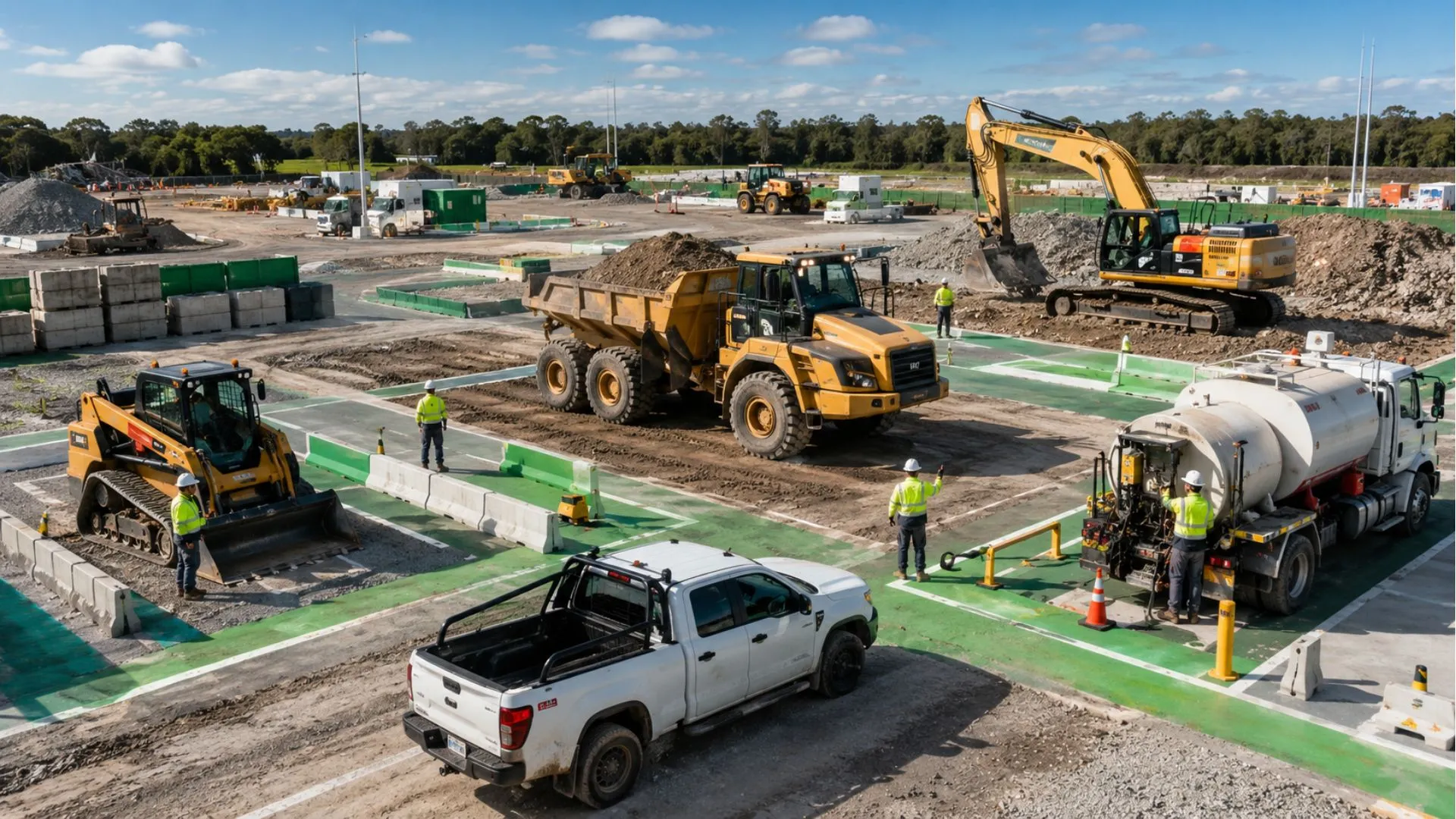
A tracking dashboard can show every pickup and service van while still leaving a construction manager blind to excavators, generators, rented machines, equipment transfers, and temporary job sites. That is why the answer to which construction fleet tracking system is best cannot be reduced to the device with the fastest update or the platform with the longest feature list. The real problem is whether the system represents how your assets, projects, sites, contractors, and field teams actually operate.
This guide compares five system models and shows when a vehicle-centric, Internet of Things (IoT)-enabled, multi-site, remote-connectivity, or enterprise configuration is the right fit. It also explains how we at Safee configure a connected fleet-management environment for construction businesses in the UAE, Saudi Arabia, the wider Gulf Cooperation Council (GCC), and global markets, rather than selling a standalone tracker disconnected from alerts, reports, drivers, maintenance, permissions, and operational context.
4 factors that determine construction fleet tracking system fit
Before comparing configurations, define what the platform must represent and which decisions it must support. Four factors determine whether a construction fleet tracking system fits the operation or becomes another disconnected data layer.
1. Asset mix and system coverage
A vehicle fleet tracking system may be sufficient when pickups, crew buses, service vans, supervision vehicles, and other road-going units dominate the fleet. These assets fit a vehicle-based workflow built around trips, routes, mileage, drivers, and geofences.
The model becomes incomplete when the operation also includes excavators, loaders, cranes, generators, compressors, attachments, rented equipment, or non-powered assets. These categories may require different devices, activity signals, engine-hour logic, reporting rules, and ownership records within the same platform. For equipment activity and engine-hour workflows, review our construction equipment fleet management software guide.
2. Decision-relevant IoT data
An IoT fleet tracking system becomes relevant when location alone cannot support the required decision. Security may need to detect unauthorized asset movement, maintenance may need validated operating hours, and operations may need to distinguish active equipment from idle or inactive units.
Collect only the data required for a defined maintenance, safety, security, utilization, or reporting decision. Sensors, Controller Area Network bus (CANbus) data, fuel inputs, ignition, and activity signals should be validated by asset class before the technical scope is approved.
3. Project responsibility and asset assignment
A vehicle tracking system for fleet management should organize information around the unit that carries responsibility. In construction, that unit may be a vehicle, machine, project, job site, branch, cost center, rental contract, or subcontractor.
As assets move between yards, workshops, and temporary sites, the platform should preserve current assignment, transfer history, ownership type, reporting group, applicable geofence, and user access. Enterprise contractors requiring a wider governance and decision-rights model can review our Corporate Fleet Management Operating Model.
4. Real-time visibility and connectivity
A real time fleet management tracking system is valuable when delayed awareness changes the operational response, such as equipment leaving a project boundary, personnel transport entering a restricted zone, or a high-value asset moving after approved hours.
Update frequency should reflect operational risk. A secured trailer may need periodic reporting, while personnel transport or high-value assets may require faster monitoring and escalation. Remote projects must also distinguish a stopped asset from a device that is offline or waiting to upload stored data.
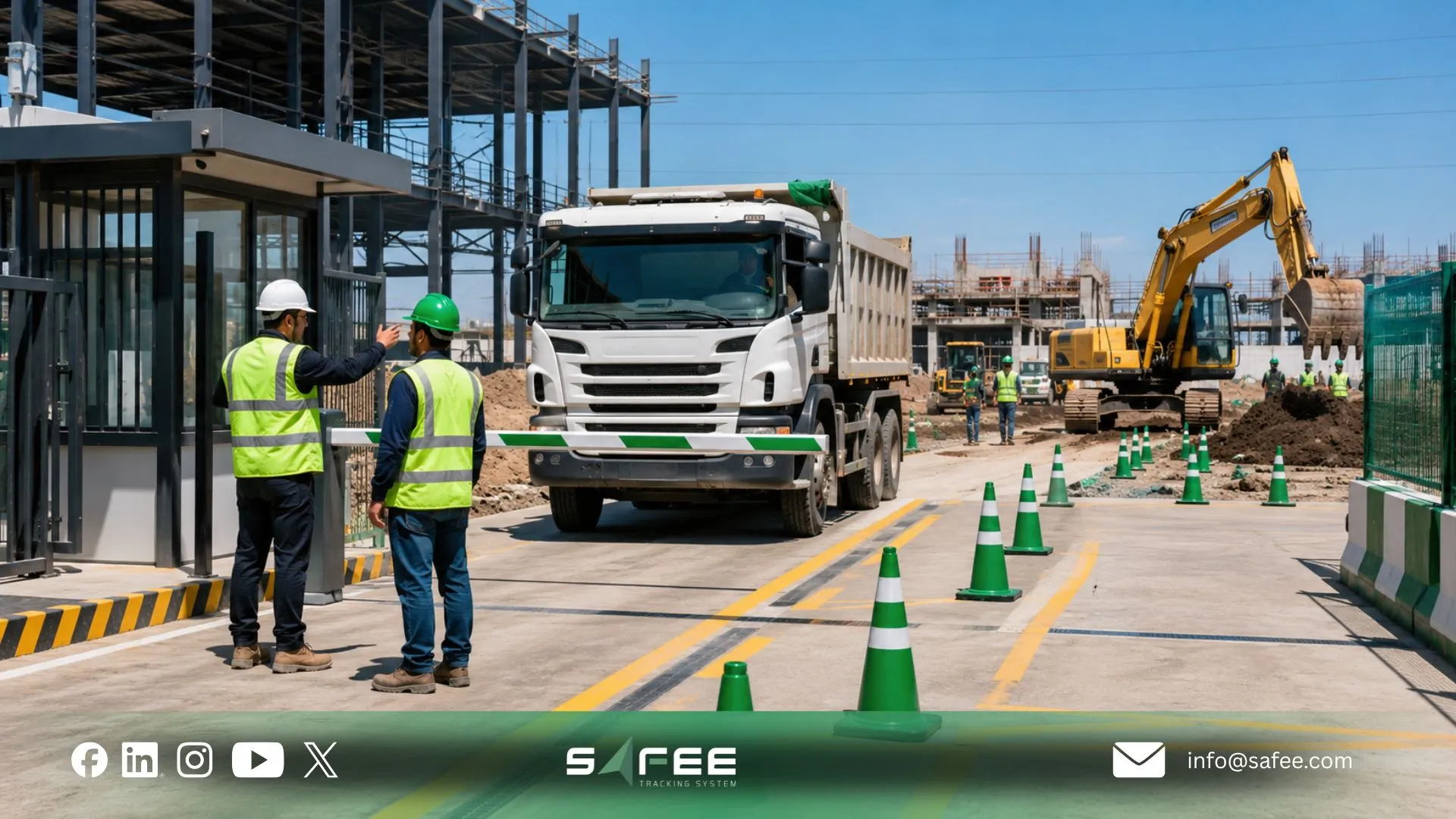
Which construction fleet tracking system is best for five operating models?
There is no universal best construction fleet tracking system. The right model is the one that reflects the dominant operation without excluding critical assets, project structures, connectivity conditions, or user groups.
The following five models explain where each configuration fits, where it becomes insufficient, and what construction decision-makers should validate before deployment.
Model 1 — Vehicle fleet tracking system for road-going fleets
Choose a vehicle fleet tracking system when road vehicles dominate and managers primarily need to control trips, drivers, routes, site access, and movement exceptions. Our platform combines essential modules that includes Live Vehicle Tracking, Driver Management, Alarms and Alerts, and Fleet Reporting for this operating model.
The model is no longer sufficient when the business must validate equipment activity, engine hours, stationary asset status, or non-powered asset movement. Those requirements need an equipment or IoT layer.
Model 2 — IoT fleet tracking system for mixed assets
Choose an IoT fleet tracking system when different asset categories must remain visible in one environment but require different devices and data. The configuration should distinguish road vehicles, powered equipment, and portable or non-powered assets rather than forcing them into one tracking logic.
Hardware, power source, installation method, supported fields, connectivity, and reporting requirements should be validated by asset class. Not every machine needs every available sensor.
Model 3 — GPS fleet tracking system for construction sites
A GPS fleet tracking system for construction should be project-aware when assets move regularly between job sites, yards, workshops, and depots. The system must preserve responsibility as the project assignment changes, not merely display the latest location.
The configuration should maintain assignment, transfer history, geofence context, reporting group, and authorized access. Static asset categories become unreliable when construction sites frequently open, close, or exchange equipment.
Model 4 — Real-time tracking for remote or high-risk work
Use a real time fleet management tracking system when delayed awareness changes the operational or safety response. The platform should distinguish current positions, delayed transmissions, stored data, and communication outages instead of presenting every last-known position as live.
Safee can combine tracking, monitoring, alerts, reports, mobile access, and validated SatComm requirements. Actual performance depends on the selected devices, networks, terrain, installation, and communication design.
Model 5 — Enterprise construction fleet tracking system
Enterprise contractors need a construction fleet tracking system that separates projects, branches, ownership types, and user groups while preserving consolidated management visibility.
Safee’s Administration Panel can structure asset groups, projects, drivers, and permissions. Fleet Reporting and Tracking Data Analyzer can support local and portfolio-level review, while approved integrations can be scoped separately. The platform supports the operating structure but does not replace decisions about authority, policy ownership, supplier obligations, or escalation.
Use this summary to identify the model closest to your current operation. Construction companies may combine more than one model within the same Safee platform when asset classes, projects, or connectivity requirements differ.
| Operating model | Best-fit system | Best fit when |
| Road-going construction fleet | Vehicle-centric GPS | Road vehicles dominate and decisions center on trips, drivers, routes, and site movement. |
| Mixed vehicles and equipment | IoT-enabled mixed-asset model | Vehicles, powered equipment, generators, and portable assets require different data by asset class. |
| Multi-site project operation | Site- and project-aware GPS | Assets transfer regularly among projects, yards, workshops, and depots. |
| Remote or high-risk projects | Real-time and remote-connectivity model | Response speed, communication status, and low-coverage conditions affect risk. |
| Enterprise contractor portfolio | Segmented enterprise platform | Multiple projects, branches, ownership types, and user groups require local and consolidated control. |
Also read: Essential Heavy Equipment Fleet Management Software Features
Construction tracking vs vertical-specific systems
Trucking, delivery, maritime, and construction fleets may all use location data, but they organize control around different assets, workflows, and responsibilities. A construction company should therefore assess whether a sector-specific system can support part of its operation without assuming that it can replace project-, site-, and equipment-aware tracking.
Trucking systems
A transportation Management Systems (TMS) is built around road vehicles, long-haul routes, approved stops, driver assignments, border movement, and heavy-vehicle readiness. These capabilities may suit construction trucks and transport units, but they do not automatically represent stationary equipment, portable assets, or machines operating within project sites.
Trucking functions can form one layer of a wider construction configuration. For dedicated road, yard, and heavy-vehicle workflows, read our fleet truck tracking system guide.
Delivery systems
A delivery fleet tracking system focuses on stop sequence, time windows, estimated arrival, dispatch exceptions, and service completion. Construction operations place greater emphasis on project responsibility, equipment categories, site transfers, temporary geofences, and mixed ownership.
Delivery capabilities may support material or service vehicles, but they should not replace construction assets and project logic. Our delivery fleet management guide covers the dedicated last-mile workflow.
Vessel systems
A vessel fleet tracking system is designed around voyages, ports, marine communication, maritime position, and vessel-specific data. It is not a direct substitute for a land-based construction fleet tracking system.
Marine contractors should define land and maritime operations separately, then identify which information requires consolidated management visibility. Shared location data does not make the two operating models interchangeable.
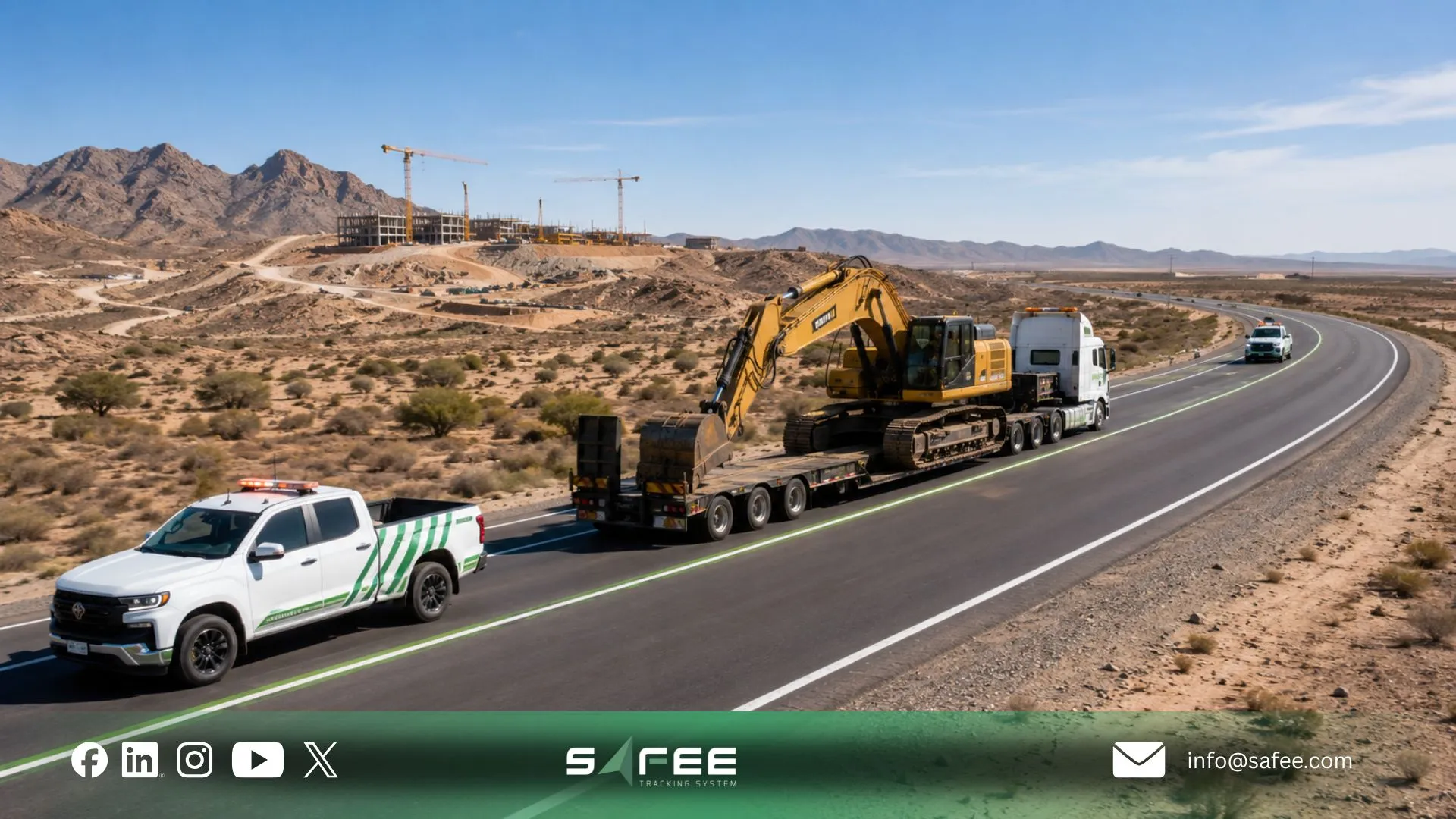
How Safee configures a GPS fleet tracking system for construction?
At Safee, we begin with the operating model rather than a standard device package. From our UAE base, we support construction fleets across Saudi Arabia, the wider GCC, and global markets by reviewing asset classes, projects, sites, connectivity conditions, users, required decisions, and available data sources before confirming the solution.
Our fleet management platform connects tracking with alerts, driver and equipment data, maintenance, reporting, permissions, analytics, mobile access, and approved integrations. The final configuration depends on how the construction operation assigns assets, controls sites, responds to exceptions, and reviews performance.
Configuration by asset class
We validate each asset category before selecting devices, data fields, and reporting rules. The review covers the asset make and model, power source, installation method, supported interfaces, sensor compatibility, connectivity environment, and required management outputs.
This allows road vehicles, powered equipment, and portable or non-powered assets to follow appropriate tracking workflows without forcing the same hardware or data model onto every category.
Alerts, reports, and accountability
Live Vehicle Tracking provides movement and location context, while Alarms and Alerts surface configured exceptions. Fleet Reporting then organizes trips, geofences, utilization, events, and other available records for operational and management review.
During configuration, we define who receives each alert, which events require immediate action, how escalation should work, which patterns belong in scheduled reports, and which users can access each project or asset group. This connects tracking data with accountable action rather than leaving it as isolated map activity.
Multi-site and enterprise control
For multi-site and enterprise contractors, we can organize projects, branches, asset categories, ownership types, and user permissions through the Administration Panel. Site supervisors can access the assets relevant to their responsibilities, while authorized corporate teams retain consolidated portfolio visibility.
Tracking Data Analyzer supports deeper review of recurring movement, utilization, geofence, and exception patterns after the asset structure and data relationships are configured. API and integration requirements are scoped separately according to approved systems, fields, ownership, security, and business needs.
How does Safee build the best-fit construction fleet tracking system around your operation?
At Safee, we do not answer which construction fleet tracking system is best by recommending the platform with the most devices, sensors, dashboards, or advanced features. We define the best-fit configuration by how well it reflects your dominant operating model, critical asset classes, project structure, connectivity conditions, and user responsibilities.
We begin by reviewing a representative asset list, project and site hierarchy, expected equipment transfers, connectivity constraints, user groups, and the decisions each team needs to make. We then map the appropriate tracking, IoT, alerting, reporting, administration, analytics, integration, and remote-connectivity capabilities around the way your construction operation actually works.
Bring us one representative asset from each category and one real site-to-project workflow. Request a Safee demo to review the devices, data sources, modules, permissions, alerts, and reporting structure required for a fit-for-purpose GPS fleet tracking system for construction.
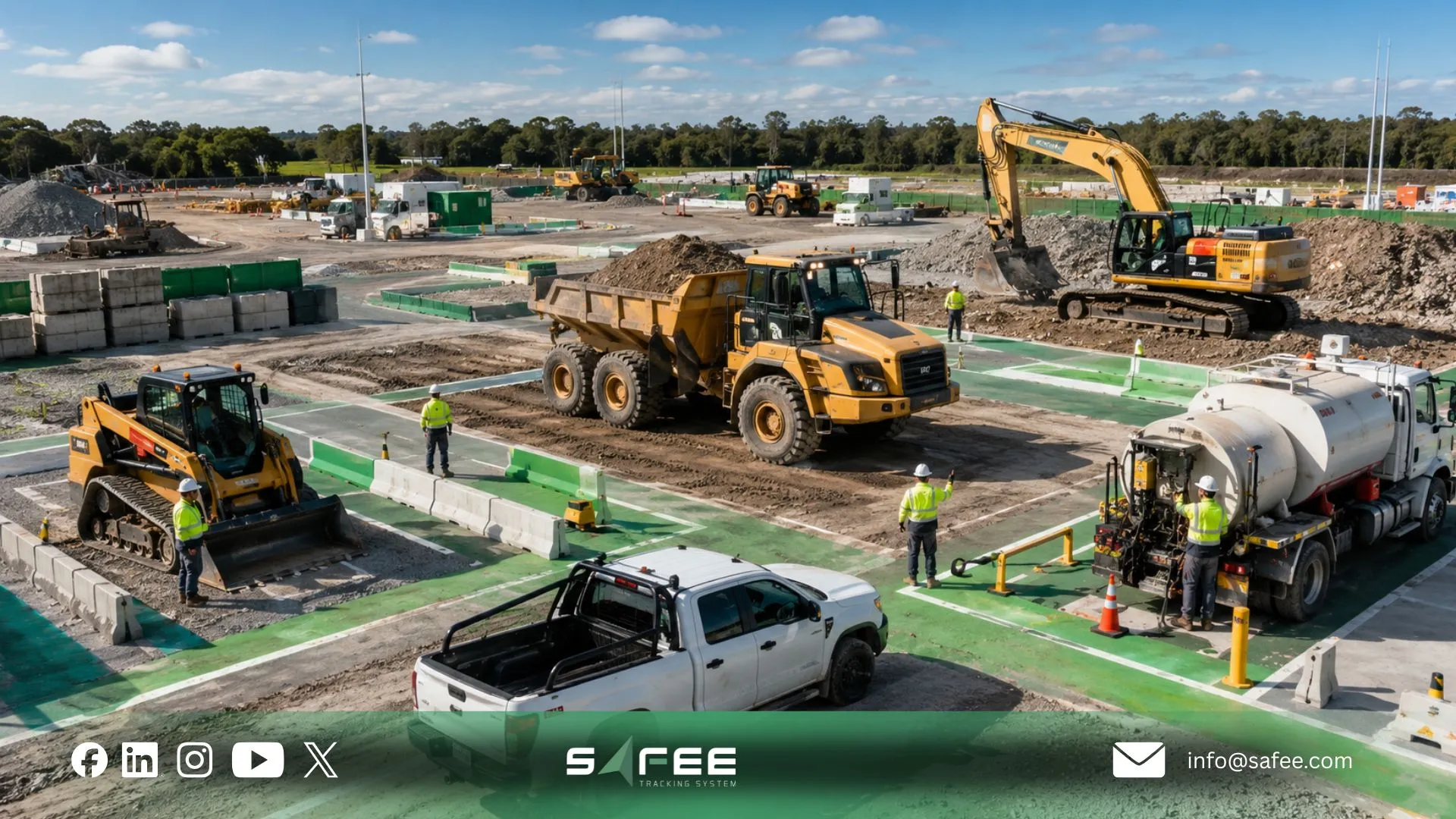
FAQs about construction fleet tracking system fit
Which construction fleet tracking system is best for a mixed fleet?
For a mixed fleet, the best fit is usually an IoT-enabled platform that can treat road vehicles, powered equipment, portable assets, and non-powered assets differently while maintaining one management view. Devices, data fields, maintenance triggers, sensors, and reports should follow the decision required from each category.
When is a vehicle fleet tracking system enough for construction?
A vehicle fleet tracking system may be enough when road-going vehicles dominate and the main decisions concern location, trips, routes, drivers, site entry, and site exit. It becomes insufficient when managers also need machine activity, engine hours, equipment condition, or non-road asset visibility.
When does an IoT fleet tracking system become necessary?
An IoT fleet tracking system becomes necessary when location cannot support the required decision. Typical examples include validating equipment activity, operating hours, fuel or sensor conditions, powered-asset status, or movement of portable equipment. The data requirement should be defined before hardware is selected.
Does a real time fleet management tracking system work on remote sites?
It can, but real-time performance depends on the validated communication design. Cellular or other primary networks may provide live updates where coverage exists; compatible devices may store data and transmit it later when coverage returns; and selected use cases may be evaluated for satellite support. Terrain, installation, networks, hardware, and update requirements must be confirmed.
Can trucking, delivery, or vessel systems replace construction tracking?
Not by default. Trucking systems center on road routes and heavy vehicles, delivery systems center on stops and service completion, and vessel systems center on maritime voyages and communication. A contractor may use elements of those workflows, but the core construction system still needs to represent sites, projects, equipment categories, ownership, transfers, and mixed activity.
Is a GPS fleet tracking system for employee monitoring appropriate?
A gps fleet tracking system for employee monitoring should not be implemented as indiscriminate surveillance. In construction, the more defensible use is linking an authorized driver or operator to an asset, controlling approved use, reviewing safety-relevant events, and establishing project accountability.
Ready to improve your fleet operations?
Tell us what you would like to improve. A Safee specialist will reply by email.
Usually replies within one business day • No sales spam
Your details are used only to respond to your request. Privacy Policy