



In fleet operations, fleet safety isn’t a document you file away; it’s where risk, cost, and service performance collide every day. One unsafe event can trigger a chain reaction: accidents, vehicle downtime, insurance pressure, missed deliveries, and reputational damage. Even without incidents, risky driving behaviors create silent cost leaks through higher wear, fuel waste, and unstable schedules.
In 2026, fleet safety management means running safety as an operational system, monitoring behavior, acting early on exceptions, coaching with evidence, and proving improvement through reporting.
This guide covers what fleet safety means in practice, the core pillars and tools of an effective program, how to implement it step by step, and how Safee supports safety and journey management.
What Is Fleet Safety Management?
Fleet safety management is the structured process of reducing risk across drivers, vehicles, routes, and day-to-day operations by setting clear standards, monitoring performance, enforcing accountability, and continuously improving safety outcomes. It’s not only about compliance; it’s about controlling daily behavior and preventing incidents before they happen.
Fleet safety improves when safety management is connected to real operational visibility: live monitoring, historical analysis, alerts, dashboards, and reporting that show what happened and why.
At Safee, we support this approach with real-time visibility and reporting capabilities designed to improve productivity and minimize downtime, strengthening fleet safety management decisions.
If you want safety decisions backed by real monitoring and reporting, request a Safee walkthrough.
Read also: Why moderating fuel is also affected in fleet safety
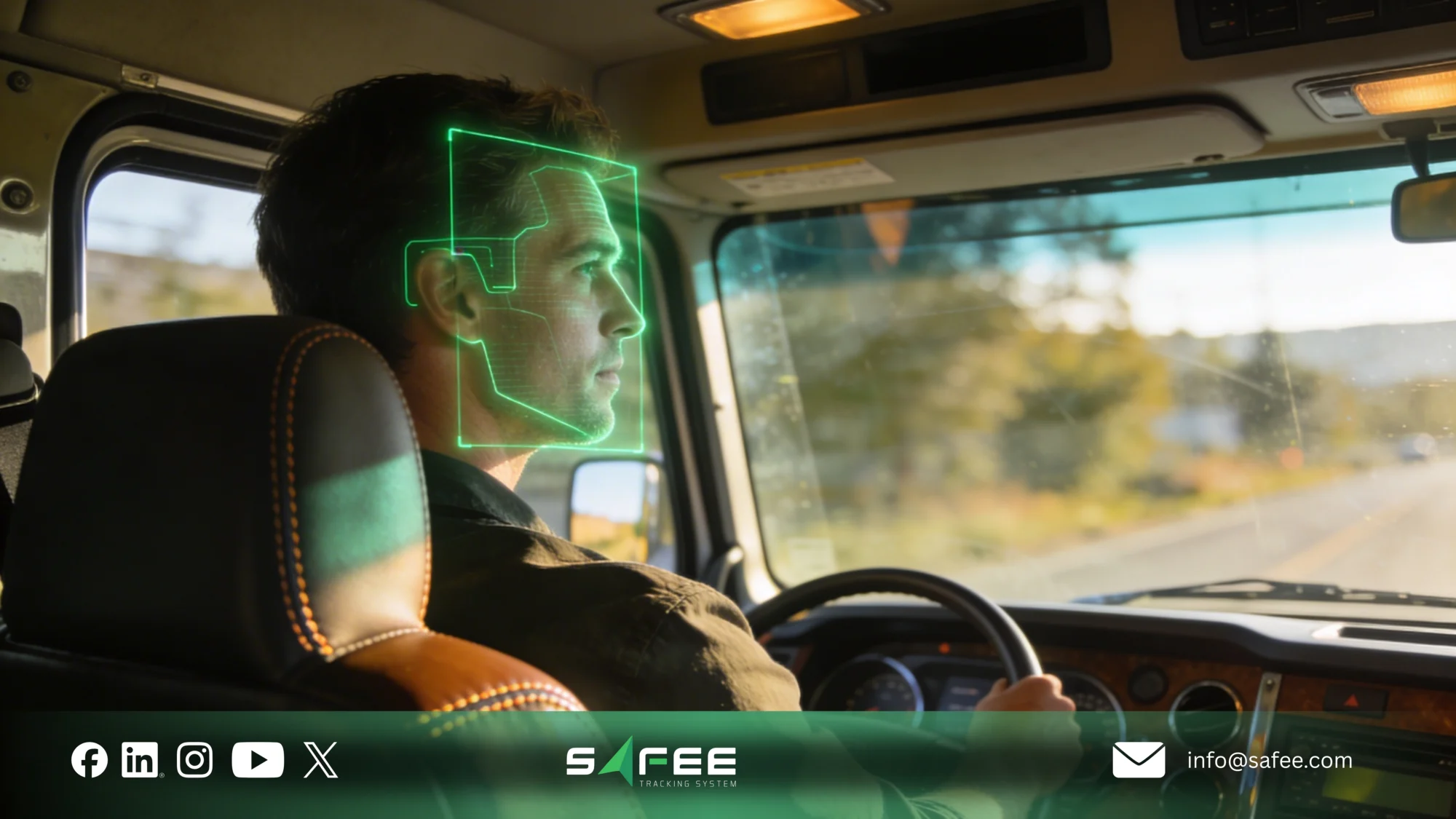
Why Fleet Safety Matters for Every Business
Fleet safety matters because a single incident can trigger immediate operational and financial impact—and unsafe behavior can drain profit even when no accident occurs.
Here’s what’s at stake for your fleets:
- Incidents create a chain reaction: vehicle downtime, missed service windows, customer claims, driver replacement, and higher insurance costs.
- Unsafe behavior increases hidden costs: more wear and tear, more fuel waste, and less operational stability—quietly hitting margins over time.
- Safety protects your brand and reliability: customers and partners judge reliability by consistency, and safety is a major driver of consistent service delivery.
- Safety enables scalable operations: when you monitor behavior, control exceptions, and use reporting to improve performance, operations become more predictable as you grow.
If you want a safety program that supports growth, request our demo.
Importance of Fleet Safety Management in High-Risk Industries
In industries with elevated operational risk, fleets face more exposure because they operate with higher mileage, higher load stress, more night driving, more hazardous routes, or stricter compliance requirements. In these conditions, fleet safety management must be proactive and data-driven—reactive safety programs tend to break down under operational pressure.
A platform approach is especially effective in high-risk operations because it shortens time-to-action and strengthens accountability:
- Real-time monitoring helps teams see what’s happening now.
- Alerts surface exceptions early instead of late.
- Reporting clarifies what happened, why it happened, and where risk is repeating.
Safee supports this approach with a platform that includes monitoring, dashboards, alarms, and reporting tools built for operational control, so safety teams can focus on the vehicles and drivers that need attention now.
If you want safety oversight that scales across complex operations, request a Safee walkthrough now.
Read also: Why do EV cars relate to fleet safety management
Core Pillars of Effective Fleet Safety Management
An effective fleet safety program is built on pillars your team can execute daily, not slogans. Strong fleet safety management typically includes:
- Clear driver policies and enforceable standards for speed, seatbelt use, mobile use, and route discipline.
- Training and coaching based on evidence, not opinions, so drivers trust the process and expectations stay consistent.
- Monitoring and accountability through measurable KPIs and repeatable reviews that keep performance visible.
- Incident management with structured reporting, proof, and corrective actions to prevent repeat events.
- Vehicle readiness and maintenance discipline, because unsafe vehicles create unsafe operations.
- Continuous improvement using dashboards, reports, and recurring performance cycles to drive month-by-month progress.
If you want safety improvements, you can prove month by month, contact us today.

Fleet Safety Technology and Telematics Solutions
Technology matters because it turns fleet safety from manual observation into measurable control. With telematics-style visibility, you can monitor behaviors, surface exceptions early, and apply a fair performance system consistently across drivers and teams.
A strong fleet safety management approach supports the full loop:
- Live monitoring for day-to-day control
- History and timelines for investigation and root-cause review
- Alarms to flag exceptions early
- Dashboards and reports to support leadership decisions and continuous improvement
Our platform supports this approach with real-time visibility, reporting, analysis, and management features designed to reduce downtime and improve productivity, strengthening safety outcomes at the same time.
If you want a unified platform that supports safety control and reporting, request a Safee demo now.
How to Build a Fleet Safety Management System Step by Step
Building fleet safety management works best when you follow a repeatable implementation path, rather than launching everything at once.
A step-by-step approach helps your fleets standardize execution and prove improvement over time.
- Define safety goals and KPIs: Set measurable targets such as incident rate, violation rate, and risky-behavior trends.
- Set clear policies and responsibilities: Document what’s expected and who owns what—across drivers, supervisors, and safety officers.
- Start monitoring with operational views and filtering: Use live views and filters so teams focus on priority risks instead of scanning the entire fleet.
- Configure alerts for exception behavior: Trigger action during the shift—not after it—by flagging exceptions as they happen.
- Create coaching workflows using history and reports: Use timelines, history, and reporting to guide training and corrective actions with evidence.
- Review dashboards weekly and monthly: Use recurring reviews to prove improvement, enforce accountability, and adjust the program.
If you want a continuous improvement rhythm, request a Safee walkthrough now.
Read also: The importance of notification in fleet safety
Choosing the Right Fleet Safety Management Software
Choosing the right platform isn’t about the longest feature list. It’s about whether your team can run it daily under operational pressure and whether it produces the KPI reporting leaders need to act.
Follow this checklist to evaluate any fleet safety management platform:
- Real-time monitoring views with clear vehicle status visibility.
- Filtering tools to focus on higher-risk segments by geography, behavior, or last update.
- History and investigation tools to validate incidents and improve coaching with evidence.
- Alerts and notifications so exceptions are acted on early, not discovered later.
- Dashboards and reporting that measure KPIs consistently across teams and time periods.
If you want KPI-driven safety reporting, contact our experts today.
Safee: Smart Fleet Safety & Journey Management Solutions
At Safee, we support fleet safety and fleet safety management by combining smart real-time visibility with operational monitoring tools—alarms, dashboards, and reporting—that help teams detect exceptions early and improve behavior consistently.
The result is fewer surprises on the road, reduced downtime, and stronger operational stability that directly supports safety outcomes.
Our solution also includes a Journey Management System within the platform portfolio, enabling structured journey oversight alongside fleet monitoring and reporting. This gives operations teams clearer trip visibility and stronger control loops across day-to-day movements.
If you want to see how our tool supports journey management and fleet safety together, request a Safee demo now.
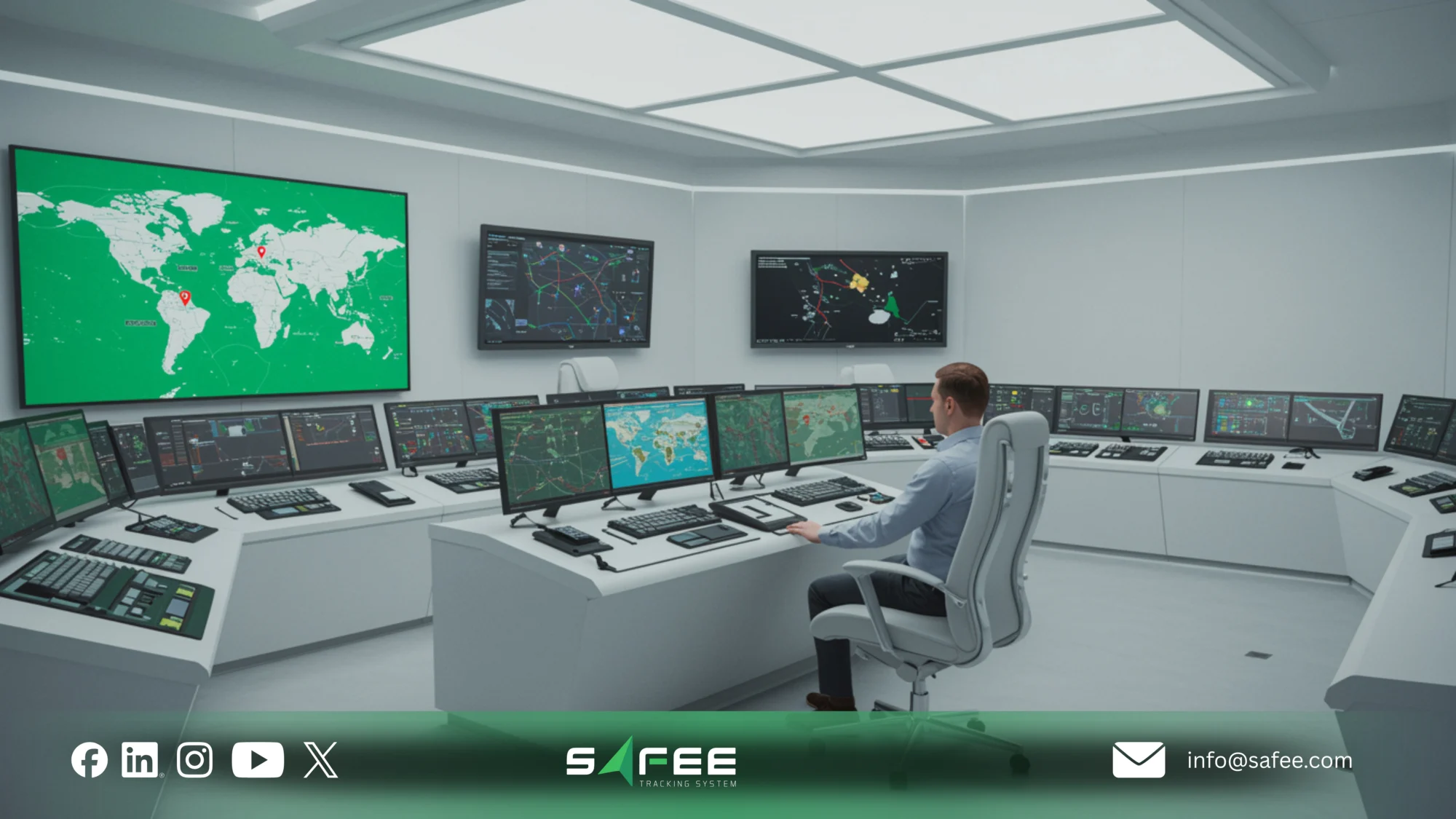
How Fleet Safety Management Reduces Operational Costs
As a practical extension of the safety tools above, Safee helps reduce operating cost by making fleet safety management measurable and actionable. Safer driving lowers the expensive outcomes that hit budgets first—accidents, downtime, repairs, fuel waste, and schedule disruption—because risky behavior is identified early and addressed before it turns into an incident.
Safee supports cost reduction in two direct ways:
- Early action on exceptions: real-time visibility + alerts help teams intervene during the shift, not after the damage is done—reducing downtime and reactive repair spend.
- Closing “silent cost leaks”: behavior monitoring and reporting help reduce patterns like idling and detours that increase wear, inflate fuel consumption, and quietly erode productivity.
Cost reduction also comes from predictability. When safety performance improves, planning becomes more reliable, utilization stabilizes, and scaling operations becomes easier without constant firefighting. Safee supports this with real-time visibility and reporting designed to improve productivity and minimize downtime—so you can connect safety KPIs to cost KPIs with evidence.
If you want to link safety KPIs to cost outcomes in your operation, request a Safee walkthrough now.
Contact Safee today to strengthen Fleet Safety across your operation.
FAQs about Fleet Safety Management
What is the meaning of fleet safety?
Fleet safety is the discipline of reducing risk and preventing incidents across drivers, vehicles, and day-to-day operations through clear standards, monitoring, training, and accountability.
How to improve fleet safety?
Improve fleet safety by setting measurable KPIs, monitoring driving behavior, acting early on exceptions through alerts, coaching with evidence, and reviewing results regularly using dashboards and reports
What is the role of a fleet safety officer?
A fleet safety officer owns the safety program: defines standards, monitors performance, investigates incidents, coordinates training/coaching, and runs ongoing improvement cycles using reporting and accountability reviews.
What is the most important piece of a fleet safety program?
Consistency. Safety improves when monitoring, enforcement, and coaching are applied consistently—then refined over time using data and repeatable review workflows.