
Van Fleet Management and Trucks: What Changes by Vehicle Class?
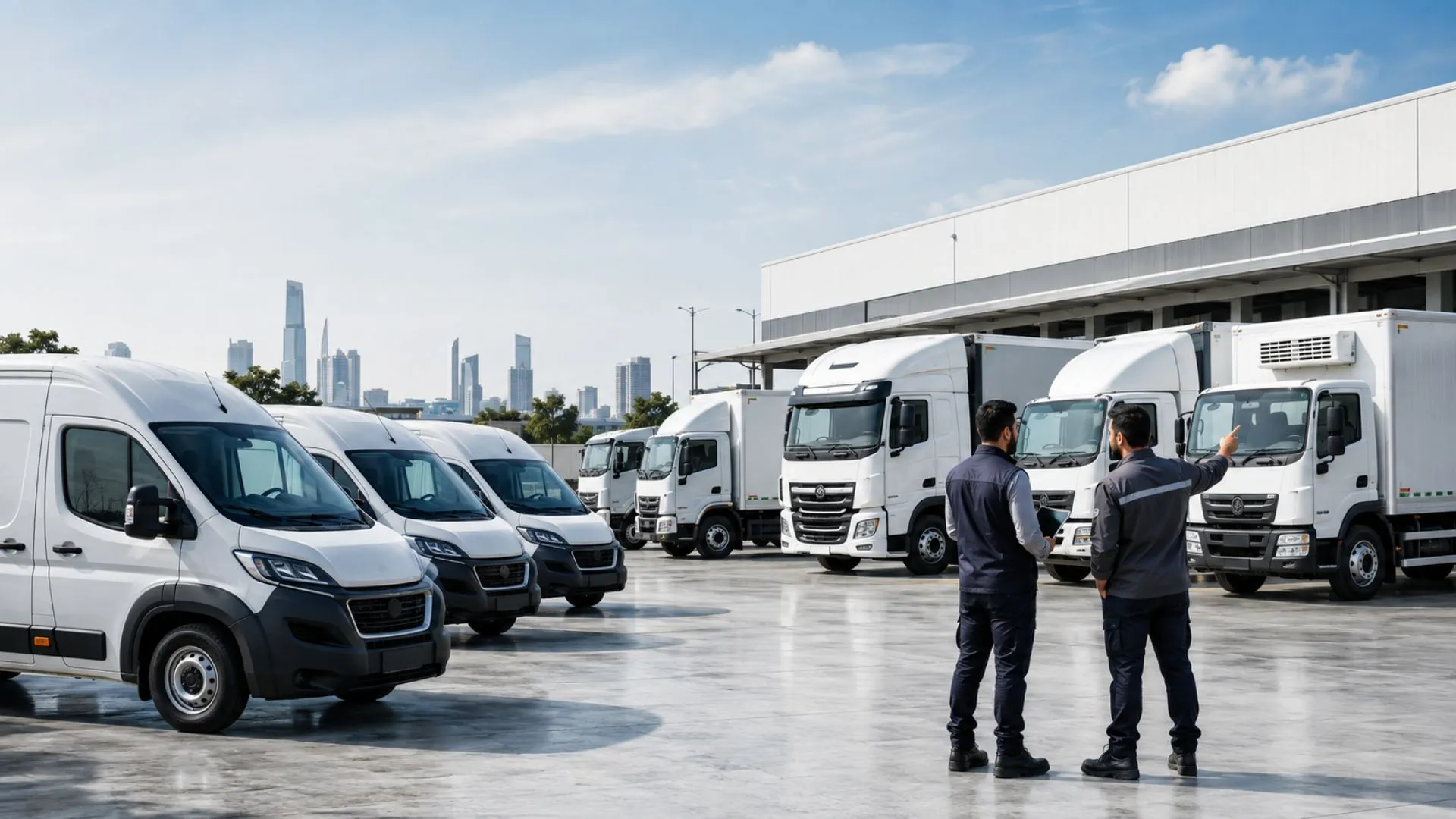
Van fleet management becomes more complex when one organization operates several vehicle classes under the same fleet structure. Passenger cars, delivery vans, trucks, motorcycles, service vehicles, and emergency units may all require tracking, driver accountability, maintenance, alerts, and reporting, but they do not create the same operational risks or require identical controls.
This guide explains how van fleet management changes when a business operates different vehicle classes, including cars, vans, trucks, motorcycles, service vehicles, and emergency units. It compares the operational priorities of each class, from tracking and driver management to maintenance, tyre monitoring, alerts, and reporting.
It also shows what should be standardized across commercial vehicle fleet management and what should be configured differently according to vehicle type and use case. Finally, it explains how Safee supports mixed fleets
What is van fleet management, and how is it different?
Van fleet management is the process of controlling the vehicles, drivers, routes, maintenance requirements, operating costs, safety events, assignments, and reporting associated with a working van fleet.
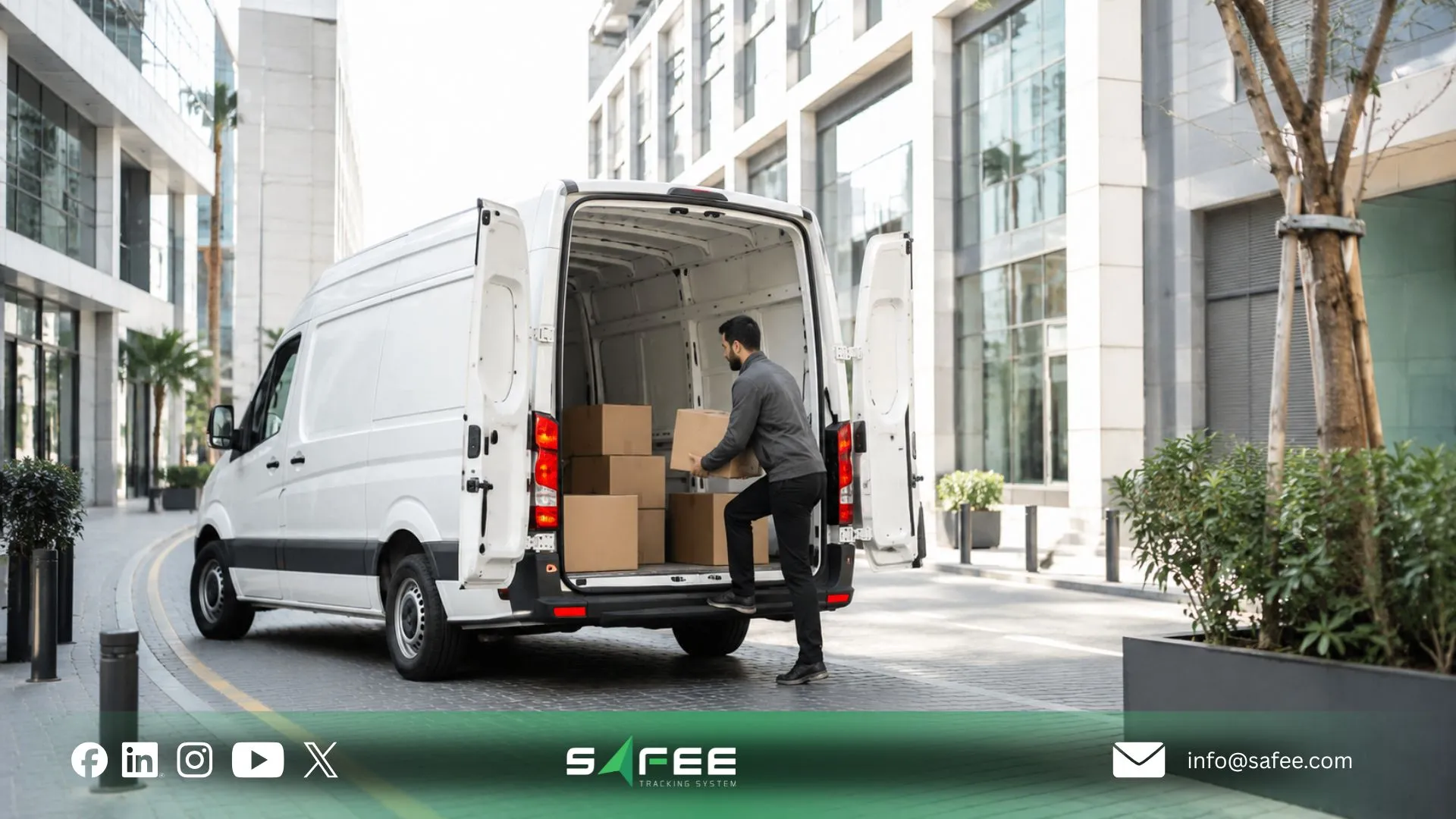
Commercial vans often sit between passenger vehicles and trucks. They may be driven in dense urban traffic, stop repeatedly during a shift, carry tools or inventory, visit customer sites, remain idling during service work, or move between drivers. Their risk profile therefore depends less on the label “van” and more on what the vehicle actually does.
A delivery van may require close attention to route completion, stops, idle time, driver behavior, and service reliability. A technician van may need job-zone visibility, vehicle readiness, tools or asset context, and fast reassignment when an urgent call appears. A utility van may need stronger safety, maintenance, and access controls.
That makes fleet management vans an operational-design problem rather than simply a GPS problem.
Our approach to commercial fleets is based on combining operational layers such as Live Vehicle Tracking, Alarms and Alerts, Driver Management, Maintenance, Fleet Reporting, and other required modules rather than treating tracking as an isolated map.
Review our Essential Modules for more details
Van fleet management vs car fleet management
Van and passenger-car fleets share several controls:
- Vehicle location and status.
- Driver assignment.
- Trip and route history.
- Maintenance schedules.
- Unauthorized-use monitoring.
- Speed and driver-behavior events.
- Utilization reporting.
- User access and reporting responsibilities.
A company car may primarily move an employee between meetings or operating locations. The most relevant controls may therefore be utilization, authorized use, mileage, driver behavior, maintenance, trip visibility, and cost allocation.
For example, a field technician may leave a depot, visit several customer locations, carry parts or equipment, respond to an urgent job, and return through a completely different route. Our Field Service Fleet Management guidance describes field-service operations as the coordination of vehicles, technicians, crews, routes, equipment, alerts, maintenance, and reports supporting work outside the office.
A van may require:
- More granular geofence or customer-site visibility.
- Stop-duration review.
- Route and schedule exception monitoring.
- Stronger maintenance readiness because a vehicle failure can also remove a technician and equipment from service.
- More flexible driver assignment.
- Mobile access for supervisors.
- Reporting by team, branch, region, service area, or vehicle group.
If your vans and cars currently use the same rules even though their jobs are different, request a Safee demo to map each vehicle class to the appropriate tracking, alerts, maintenance, and reporting workflow.
Why one-size-fits-all fails commercial vehicle fleet management
Commercial vehicle fleet management becomes unreliable when every vehicle inherits identical thresholds, reports, maintenance logic, access rules, and operational expectations.
The problem is standardizing the wrong layer. Every vehicle can use a common governance structure:
- Each vehicle has a defined operational owner.
- Each driver assignment can be identified where required.
- Important exceptions have an owner.
- Maintenance requirements are recorded.
- Reports have a defined review cadence.
- Access is controlled according to user responsibilities.
- Corrective actions can be followed through.
A speeding event may deserve different escalation logic for a passenger car, a heavily loaded truck, and a response vehicle operating under an approved emergency procedure. Maintenance intervals, tyre exposure, payload considerations, route limitations, utilization expectations, and operational availability may also differ.
This is why mixed fleets should configure vehicle groups and policies, not merely maintain a master vehicle list.
What changes across fleet car management and heavier classes
The foundation of fleet car management does not disappear as vehicles become larger or more specialized. Location, users, drivers, reports, maintenance, exceptions, and accountability remain important.
This framework avoids both extremes: running separate fleet-management systems for every asset class or forcing every vehicle into one generic configuration.
What passenger vehicles still need
Passenger vehicles may seem simpler than trucks or specialized commercial units, but fleet car management still requires disciplined control.
Typical priorities include:
- Vehicle assignment.
- Authorized and unauthorized use.
- Location and trip history.
- Mileage and utilization.
- Driver behavior.
- Speeding and other configured exceptions.
- Maintenance readiness.
- Vehicle availability.
- Geofence activity where relevant.
- Reporting by department, employee group, branch, or cost center.
A fleet car tracking system should therefore do more than place vehicles on a map.
Our Live Vehicle Tracking environment supports real-time vehicle visibility and can be combined with alarms, driver information, geofences, maintenance context, and reporting workflows. Safee also describes Driver Management as supporting both single-driver and multi-driver structures, including manual and dynamic assignment workflows.
Not every employee, supervisor, Fleet Manager, HSE user, Finance user, or administrator should automatically receive the same access. The relevant fleet scope, reports, history, and administrative permissions should reflect the user’s operational responsibility.
Truck tyre fleet management: A cost center most fleets ignore
Truck tyre fleet management deserves different attention because tyre condition is connected to vehicle availability, maintenance workload, operating cost, and safety.
Heavy vehicles can experience changing loads, long routes, high temperatures, multiple axles, trailer configurations, and sustained operating periods. That makes periodic inspections essential but not always sufficient as the only source of tyre-condition visibility.
Our Tire Pressure Monitoring System (TPMS) provides supported real-time pressure and temperature readings, configurable alerts, historical tyre information, and broader maintenance context for connected vehicles and trailers. Safee explicitly positions the module for long-haul trucks, delivery vans, buses, trailers, and mixed-asset fleets.
The practical tyre fleet management workflow should therefore combine:
- Physical inspection.
- Correct tyre specifications and pressure requirements.
- Sensor visibility where TPMS is deployed.
- Alert thresholds appropriate to the vehicle and tyre configuration.
- Clear ownership between driver, dispatch, and maintenance.
- Maintenance action when an abnormal condition is confirmed.
- Historical review of recurring issues.
- Reporting by vehicle, route, asset type, or operating period.
An alert that nobody owns is merely a notification. A recurring tyre issue that never reaches maintenance remains an unresolved risk. TPMS becomes operationally useful when the reading moves through detection, verification, maintenance follow-up, and reporting.
Emergency and police vehicle fleet management: Higher stakes
Emergency vehicle fleet management changes the priority hierarchy. For an ordinary commercial van, a delayed departure may affect a delivery or service appointment. For a fire, ambulance, rescue, security, or other response unit, vehicle readiness and operational availability can carry substantially greater service consequences.
The same principle applies to police vehicle fleet management. A public-sector or response fleet may require greater emphasis on:
- Vehicle readiness.
- Maintenance status.
- Live availability.
- Rapid dispatch visibility.
- Vehicle and driver accountability.
- User permissions.
- Department or unit grouping.
- Route and trip records.Exception review.
- Auditability.
- Secure reporting.
- Integration with other authorized operational systems where required.
Our government fleet guidance emphasizes vehicle groups, departments, role-based access, configurable Alarms and Alerts, Fleet Reporting, Driver Management, Maintenance Module workflows, Journey Management System, Mobile App access, and Tracking Data Analyzer. Exact government, emergency-service, police, privacy, retention, or records requirements must still be verified for the applicable agency and geography.
A fleet platform can support compliance-related governance by helping teams maintain controlled users, structured reports, alert ownership, maintenance records, and operational evidence. It should not be presented as automatically satisfying every law, police standard, emergency-service policy, or government procurement requirement.
For emergency or police deployments, buyers should verify:
- Required user roles and access segregation.
- Data-retention obligations.
- Hosting and security requirements.
- Audit and record-export requirements.
- Required integrations.
- Device and connectivity requirements.
- Vehicle-specific hardware compatibility.
- Emergency operating procedures.
- Reporting obligations.
- Procurement or agency-specific technical standards.
Standardizing fleet management vans across a mixed fleet
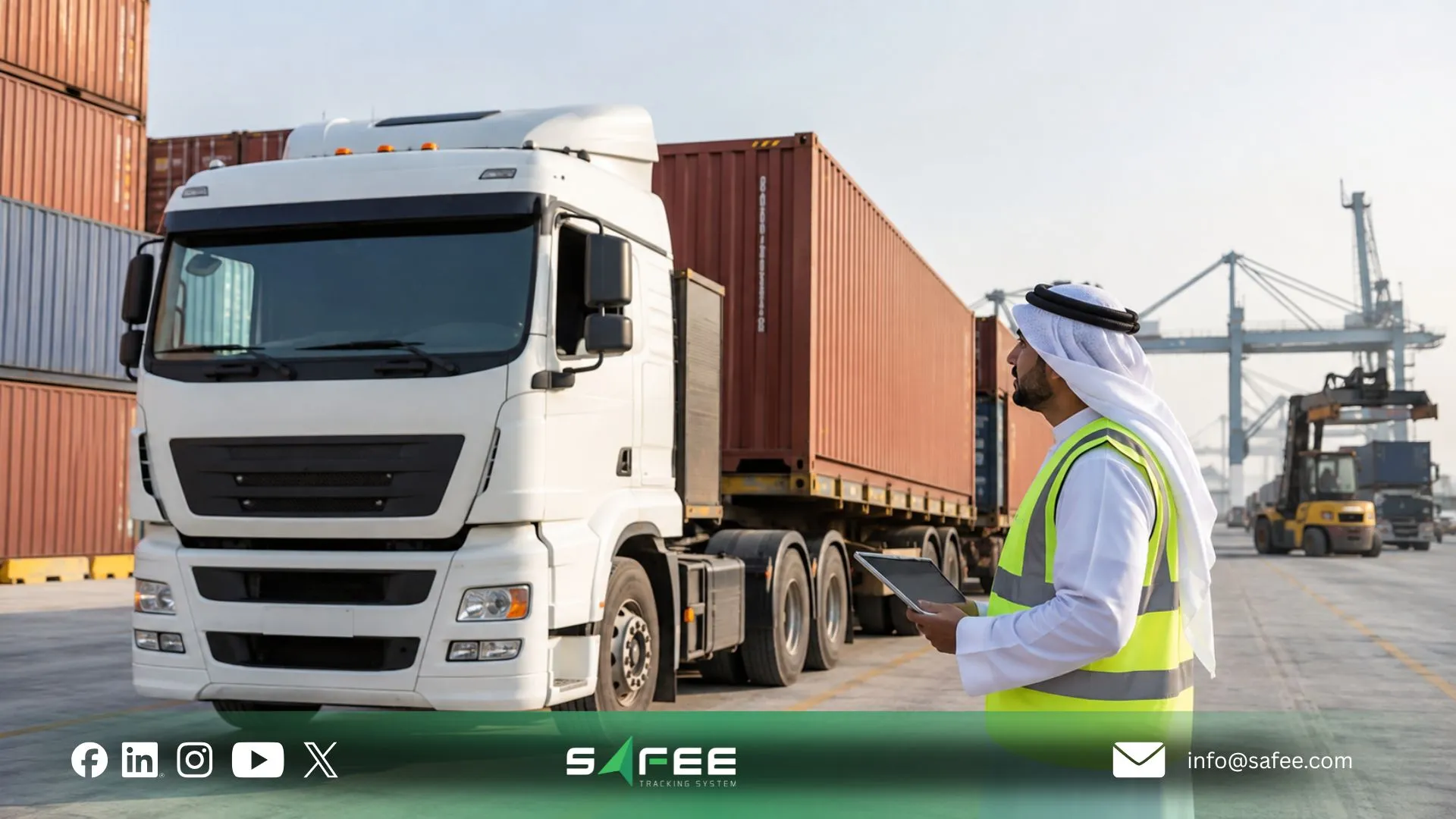
Organizations running cars, vans, trucks, motorcycles, service units, and specialized vehicles should establish a common fleet-management architecture first, then configure the vehicle-class variations inside it.
This approach gives leadership comparable reporting while allowing Operations, HSE, Maintenance, Logistics, and field teams to work with controls appropriate to their vehicles.
9 things to standardize across commercial vehicle fleet management
A strong commercial vehicle fleet management model should standardize at least these nine areas.
1. Vehicle identity
Use a consistent vehicle record structure across cars, vans, trucks, motorcycles, and specialized vehicles. Define identifiers, class, department, location, operational owner, status, and other required master data.
2. Driver identity and assignment
Define how the organization knows who is responsible for a vehicle at a particular time.
Safee Driver Management supports dedicated and multi-driver vehicle structures, including manual and dynamic assignment approaches.
3. Vehicle grouping
Group assets according to useful management dimensions:
- Vehicle class.
- Branch.
- Depot.
- Department.
- Operating region.
- Service team.
- Project.
- Risk category.
- Operational purpose.
The vehicle group should influence what users see and how reports and alerts are configured.
4. Alert ownership
Every important Alarms and Alerts condition should have:
- A defined trigger.
- A recipient.
- An owner.
- A required response.
- An escalation rule where appropriate.
- A closure or review process.
Do not copy the same alert policy across every vehicle simply because the system allows it.
5. Maintenance governance
Standardize how maintenance requirements are recorded, assigned, escalated, and closed while allowing maintenance rules to vary by class and operating conditions.
6. Reporting cadence
Use a common reporting structure across the business:
- Shift or daily operational exceptions.
- Weekly performance review.
- Maintenance review.
- Safety review.
- Management KPI reporting.
Then vary the KPIs according to vehicle class.
7. User permissions
Operations, Fleet Managers, Maintenance, HSE, Finance, executives, contractors, and administrators may require different vehicle scopes and platform permissions.
Safee’s government and enterprise guidance explicitly supports configuration around sites, vehicle groups, permissions, and reporting responsibilities.
8. Escalation and evidence
Define what happens after an exception. This closes the gap between Telematics data and management action.
9. KPI definitions
A utilization KPI should mean the same thing across the organization even if the expected range differs between a sales car, service van, and long-haul truck.
The same principle applies to downtime, maintenance completion, route adherence, driver events, and other internal KPIs.
Ask our experts to review your vehicle classes and existing policies. A fleet-fit consultation can identify what should remain standardized and what should be configured separately for vans, cars, trucks, service vehicles, and specialist fleets.
Service vehicle fleet management for field teams on the move
Service vehicle fleet management revolves around a relationship that ordinary vehicle tracking can easily miss:
A field-service vehicle can be perfectly healthy and still be poorly utilized. It may spend too long between jobs, arrive outside the expected service window, remain far from its next assignment, or carry a technician whose skills are needed elsewhere.
Our Field Service Fleet Management guidance describes the operational need to coordinate vehicles, technicians, crews, routes, equipment, alerts, maintenance, and reports for off-site work.
This makes the following workflows especially useful:
- Identify active and available vehicles.
- Review service territories and customer-site geofences.
- Detect unexpected route deviations or long stops.
- Maintain driver and vehicle accountability.
- Review maintenance readiness before assignment.
- Compare route activity with operational expectations.
- Provide controlled Mobile App visibility to relevant supervisors.
- Review completed activity through Fleet Reporting.
A breakdown, route problem, driver issue, or poor assignment can therefore affect the customer operation as well as the transport operation.
Fleet car tracking system basics for vans, trucks, and bikes
A fleet car tracking system should not become a separate technological island when the organization also operates vans, trucks, or motorcycles.
The common tracking foundation can include:
- Vehicle location.
- Current status.
- Trip history.
- Geofence activity.
- Speed and configured driving events.
- Driver context.
- Alerts.
- Maintenance context.
- Reports.
Our Live Vehicle Tracking and connected platform modules are designed to combine live visibility with Alarms and Alerts, drivers, maintenance, and Fleet Reporting.
What must be validated separately is the hardware and data scope.
The same device, sensor arrangement, CAN bus integration, camera setup, or power configuration should not automatically be assumed to fit a passenger car, delivery van, truck, motorcycle, trailer, or specialist vehicle.
Our own procurement guidance recommends validating GPS devices, cameras, CAN bus data, IoT Sensors, vehicle type, geography, and use case rather than assuming one hardware configuration fits every fleet.
For motorcycles, this can be especially important because mounting, power, exposure, device form factor, and available vehicle data may differ materially from larger vehicles.
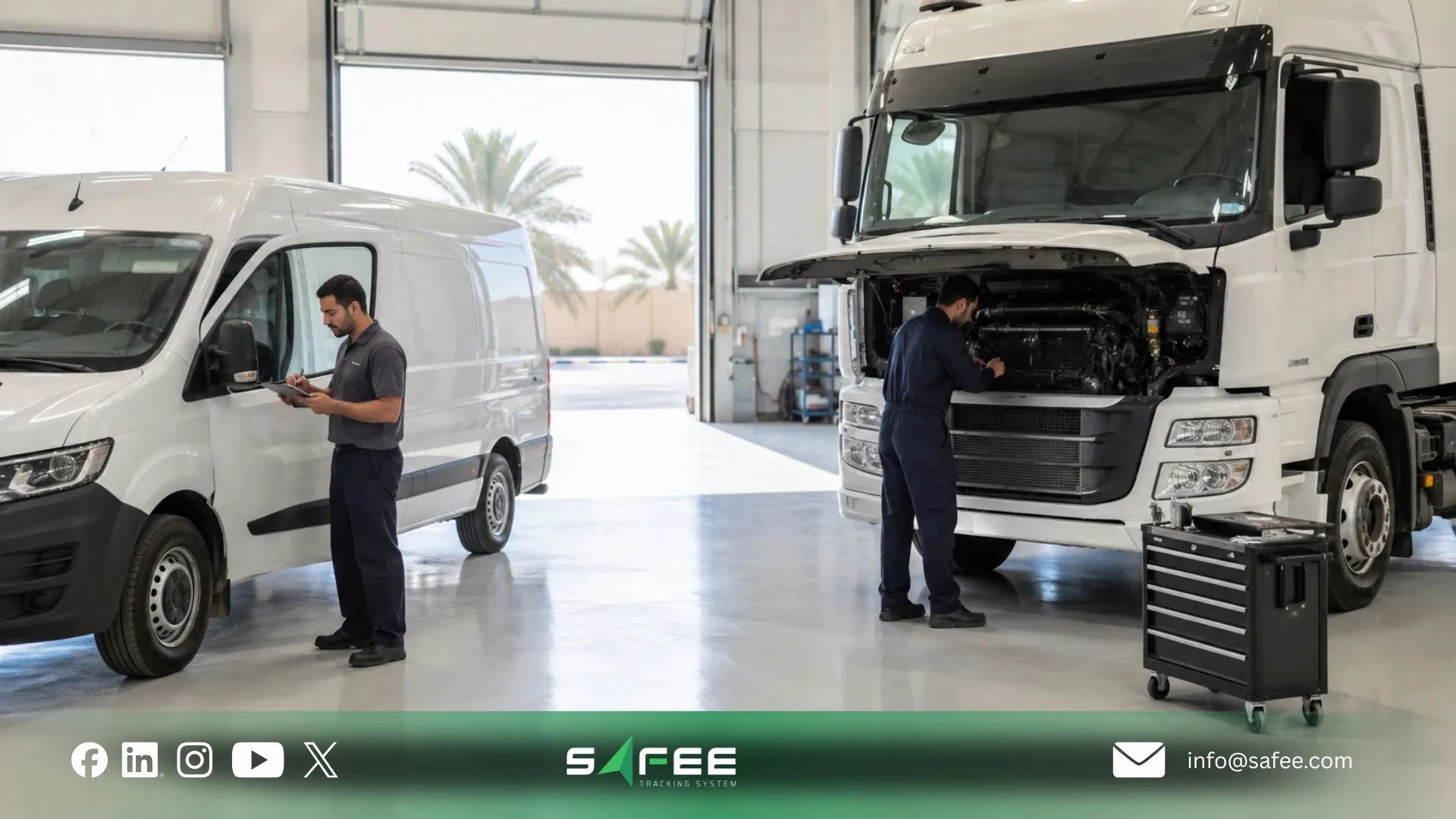
Safee your van fleet management software company
Safee is a leading fleet management choice for B2B operators managing vans alongside cars, trucks, motorcycles, service vehicles, and other commercial assets.
Our platform brings Live Vehicle Tracking, Alarms and Alerts, Driver Management, Maintenance, Fleet Reporting, Journey Management System, Tracking Data Analyzer, Mobile App, TPMS, and other relevant capabilities into one configurable environment.
For van fleet management, this means fleet teams can keep one operating structure while adapting vehicle groups, permissions, alerts, maintenance workflows, reports, sensors, and hardware requirements to different vehicle classes.
Safee vs single-vehicle-type tracking tools
| Evaluation Area | Single-Vehicle-Type Tracking Tool | Safee Mixed-Fleet Approach |
| Vehicle coverage | Focused on a limited vehicle profile | Supports different vehicle groups and use cases |
| Live visibility | Mainly location tracking | Live Vehicle Tracking with wider operational context |
| Driver management | Often based on simple assignments | Driver Management supports different assignment structures |
| Alerts | Similar rules across assets | Alarms and Alerts can be configured by operational need |
| Maintenance | Basic reminders | Maintenance workflows linked to fleet operations |
| Tyre monitoring | May require another tool | TPMS can support tyre pressure and temperature monitoring |
| Reporting | Basic trip or location reports | Fleet Reporting supports operational and management review |
| Journey control | Mainly GPS trip history | Journey Management System supports structured journey workflows |
| User governance | Basic account access | Permissions can reflect vehicle groups, users, and responsibilities |
| Analytics | Basic dashboard or exports | Tracking Data Analyzer supports deeper operational review |
| Hardware | Often based on one setup | Hardware can be selected according to vehicle type and use case |
| Mixed-fleet scaling | Additional classes may require separate tools | Different vehicle classes can remain within one fleet environment |
Chat with our experts to discuss how your vans, trucks, cars, and specialist vehicles can be managed within one fleet structure.
How Safee standardized fleet management across vehicle types
We help mixed fleets standardize the controls that should remain common while allowing each vehicle class to keep the configuration it requires.
The process starts by organizing vehicles into suitable groups and defining the users, drivers, routes, maintenance requirements, alerts, and reports connected to each group. Live Vehicle Tracking and Driver Management provide visibility and accountability, while Alarms and Alerts help teams identify exceptions that require attention.
Maintenance and Fleet Reporting then support consistent follow-up across the fleet. Specialist capabilities such as TPMS or Journey Management System can be applied where the vehicle type or operating model requires them.
This approach allows a van fleet, truck fleet, service fleet, or mixed commercial fleet to work within the same management environment without forcing every vehicle to follow identical operational rules.
FAQs about van fleet management
Does tyre fleet management differ between vans and trucks?
Yes. Tyre fleet management follows the same basic principles, but trucks usually require closer monitoring because of heavier loads, multiple axles, trailers, longer routes, and longer operating periods.
For this reason, truck tyre fleet management may need different inspection routines, alert thresholds, and maintenance priorities than van fleets.
What are the best tools for rental vehicle fleet management?
The best tools for rental vehicle fleet management should provide Live Vehicle Tracking, trip history, geofences, unauthorized movement alerts, mileage, utilization, Maintenance, and Fleet Reporting.
The goal is not only to know where a rental vehicle is, but also whether it is available, overdue, due for maintenance, or operating outside expected conditions. Safee can connect these workflows through its Telematics platform.
Can motorcycle fleet management use the same platform as vans?
Yes. Motorcycle fleet management can use the same fleet-management platform as vans for tracking, trips, geofences, alerts, utilization, maintenance, and Fleet Reporting.
However, motorcycles may require different tracking hardware and installation because of differences in power supply, mounting space, and vehicle design.
How do emergency vehicles change fleet management priorities?
Emergency vehicle fleet management places greater emphasis on vehicle readiness, live visibility, maintenance status, driver accountability, and rapid response to operational exceptions.
For police vehicle fleet management and other emergency fleets, Safee can support these priorities through Live Vehicle Tracking, Alarms and Alerts, Driver Management, Maintenance Module, Fleet Reporting, and other relevant modules. Specific regulatory or agency requirements should be verified separately.
Ready to improve your fleet operations?
Tell us what you would like to improve. A Safee specialist will reply by email.
Usually replies within one business day • No sales spam
Your details are used only to respond to your request. Privacy Policy